2023+ Honda HR-V vs Previous Generation: In-Depth Engine and Powertrain Comparison
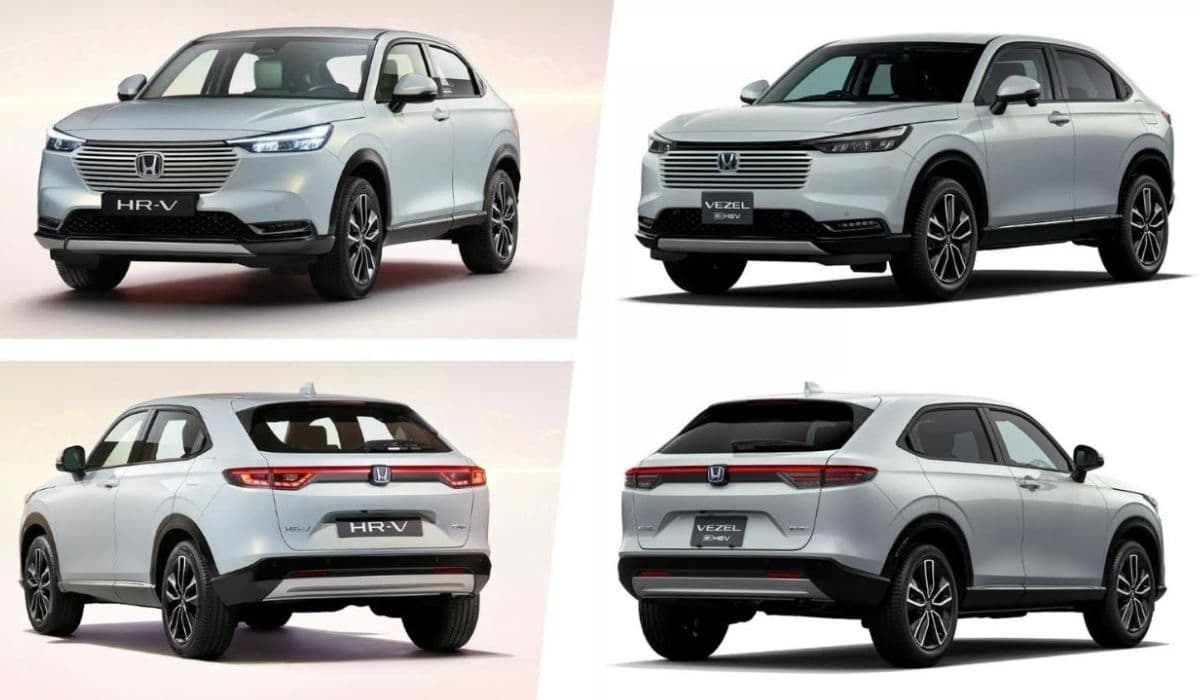
The Honda HR-V entered an entirely new era with its latest generation. One of the most significant and frequently discussed changes lies under the hood: the complete abandonment of the previous 1.8-liter naturally aspirated engine in favor of the larger 2.0-liter unit shared with the eleventh-generation Civic. This shift dramatically alters the driving character, efficiency, and long-term ownership experience compared to the 2016–2022 first-generation HR-V (RU chassis in most markets).
Engine Specifications Side by Side
The outgoing HR-V was powered by the R18Z9 1.8-liter SOHC i-VTEC inline-4 producing 141 hp at 6500 rpm and 127 lb-ft (172 Nm) of torque at 4300 rpm in North America (slightly detuned versions existed elsewhere). This engine traced its roots back to the eighth-generation Civic and was already considered dated by the early 2020s.
The current HR-V adopts the K20C3 2.0-liter DOHC i-VTEC naturally aspirated four-cylinder that delivers 158 hp at 6500 rpm and 138 lb-ft (187 Nm) of torque at 4200 rpm. Although the peak horsepower increase appears modest (+17 hp), the torque improvement of 11 lb-ft arrives 100 rpm earlier, making a noticeable difference in everyday driving.
Both engines remain naturally aspirated and run on regular 87-octane gasoline, but the architectural differences are substantial.
Cylinder Head and Valvetrain Differences
The old 1.8-liter used a single overhead camshaft with traditional i-VTEC that only switched between low- and high-lift cam profiles on the intake side. The new 2.0-liter employs dual overhead cams with full VTC (Variable Timing Control) on both intake and exhaust camshafts, plus the updated i-VTEC system that now also incorporates partial cylinder deactivation on the intake valves for better fuel economy during light-load cruising.
This means the 2023+ HR-V can effectively run on two cylinders under specific conditions (low load, 25–65 mph, flat road), something completely impossible with the previous engine.
Transmission and Drivetrain Evolution
Both generations use a CVT as the only transmission option in most markets (a 6-speed manual was briefly available on early first-gen models in Europe and Japan). However, the CVTs are not the same.
The previous HR-V used the earlier G-Design Shift CVT with a conventional torque converter and relatively simple step-shift logic that simulated seven ratios under hard acceleration.
The current HR-V receives the significantly refined CVT from the 11th-gen Civic featuring a lower first-launch ratio, a more aggressive lock-up clutch schedule, and genuine Step-Shift programming that now mimics ten forward ratios. The result is considerably less of the typical “rubber-band” effect and markedly quicker initial response from a stop.
All-wheel-drive versions of both generations employ Honda’s Real Time AWD with Intelligent Control, but the latest iteration adds a new rear differential with individual hydraulic clutches that can send up to 50% of torque rearward more rapidly and precisely than the previous dual-pump system.
Real-World Acceleration and Responsiveness
Independent instrumented testing tells the story better than spec sheets. The 2016–2022 HR-V typically needed 9.8–10.3 seconds to reach 60 mph from a standstill in front-wheel-drive form (around 10.5–11.0 seconds with AWD).
The 2023+ HR-V drops that figure to 8.9–9.4 seconds in FWD configuration and approximately 9.6–10.0 seconds with AWD, representing a gain of roughly one full second. More importantly, the 40–70 mph passing times improved by 1.2–1.5 seconds thanks to the stronger mid-range torque and smarter CVT programming.
Subjectively, the new car feels dramatically more eager in city traffic and when merging onto highways, whereas the old HR-V often required flooring the accelerator and waiting for the CVT to sort itself out.
Fuel Economy: Where Things Get Interesting
EPA figures show the new HR-V actually achieving almost identical combined mileage despite the larger displacement:
2022 HR-V AWD: 27 city / 31 highway / 29 combined mpg
2023+ HR-V AWD: 25 city / 30 highway / 27 combined mpg
That’s only a 2 mpg combined penalty, and many owners report real-world averages that are virtually indistinguishable between the two generations when driven normally. The cylinder-deactivation system, more efficient oil pump, reduced internal friction in the K20 engine, and better aerodynamic tuning largely offset the larger displacement and higher power output.
In markets using WLTP testing, the difference is even smaller, with some 2024 models actually returning slightly better figures than late first-generation cars thanks to ongoing software updates.
Refinement and NVH Comparison
The old 1.8-liter was never particularly noisy, but it exhibited noticeable vibration through the steering column and floor at idle and during medium-throttle cruising. The 2.0-liter K20C3 benefits from a stiffer crankshaft, dual-mass flywheel (in CVT applications), and significantly more sound deadening in the firewall and floorpan.
At highway speeds, the 2023+ HR-V is audibly quieter, with wind and tire noise now dominating over engine sound. Cabin conversation at 70 mph is noticeably easier than in the previous generation.
Long-Term Reliability Outlook
The R18Z9 engine proved exceptionally durable, routinely exceeding 250,000 miles with basic maintenance. Timing chain stretch after 150,000 miles and occasional VTC actuator rattle were the most common complaints.
The newer K20C3 shares its basic architecture with the Civic’s engine that has already demonstrated excellent longevity in high-volume fleet use. Early data shows oil dilution issues that plagued the 1.5T turbo engines are completely absent here. The only emerging concern is slightly higher carbon buildup on intake valves due to the switch from port to combined port+direct injection in some markets, but Honda’s latest valve cleaning procedure during regular service appears to mitigate this effectively.
Tuning and Aftermarket Potential
The previous 1.8-liter offered very limited tuning headroom. A cold-air intake, cat-back exhaust, and Hondata FlashPro reflash could push output to roughly 155–160 wheel horsepower at best, and the stock CVT became the bottleneck beyond that.
The 2.0-liter K20C3 is already supported by KTuner and Hondata with safe bolt-on maps producing 175–185 whp using intake, exhaust, and E30 ethanol blend. Several companies now offer supercharger kits pushing reliable power above 250 whp while retaining stock internals, something that was never realistically achievable on the old 1.8.
Which Engine Feels More “Honda-like”?
The old 1.8 i-VTEC loved to rev and had that classic Honda top-end rush above 5000 rpm, but it felt breathless below 3500 rpm. The new 2.0-liter sacrifices a bit of that high-rpm willingness for vastly better low- and mid-range response, aligning more closely with modern buyer expectations in the subcompact crossover segment.
Most drivers who have owned both generations agree the current powertrain finally feels adequately powerful for the HR-V’s size and mission, whereas the previous engine always felt like it was working harder than it should.
The move to the 2.0-liter platform brings the HR-V’s driving experience much closer to the segment-leading Mazda CX-30 and Subaru Crosstrek while maintaining Honda’s traditional strengths in efficiency and predicted reliability. The generational leap in engine performance, refinement, and responsiveness is arguably the single biggest improvement in the latest HR-V.
More from Honda
Common 10-Speed Automatic Transmission Problems in Honda Accord 2018-2022
08.12.2025 10:56
L15B7 vs L15BE Engine Differences: Civic Si vs Type R Deep Dive
08.12.2025 10:12
J35 V6 Reliability in 2018+ Honda Odyssey and Pilot: A Deep Dive into Real-World Performance
08.12.2025 10:52
Honda Sensing Problems in 2023-2025 Models: What Owners Really Experience
08.12.2025 08:00
Reliability of the 10th Generation Honda Accord 2.0T with Detuned K20C1 Engine
08.12.2025 07:16