Best Used SUV Under $25,000: Honda CR-V vs Toyota RAV4 vs Ford Explorer
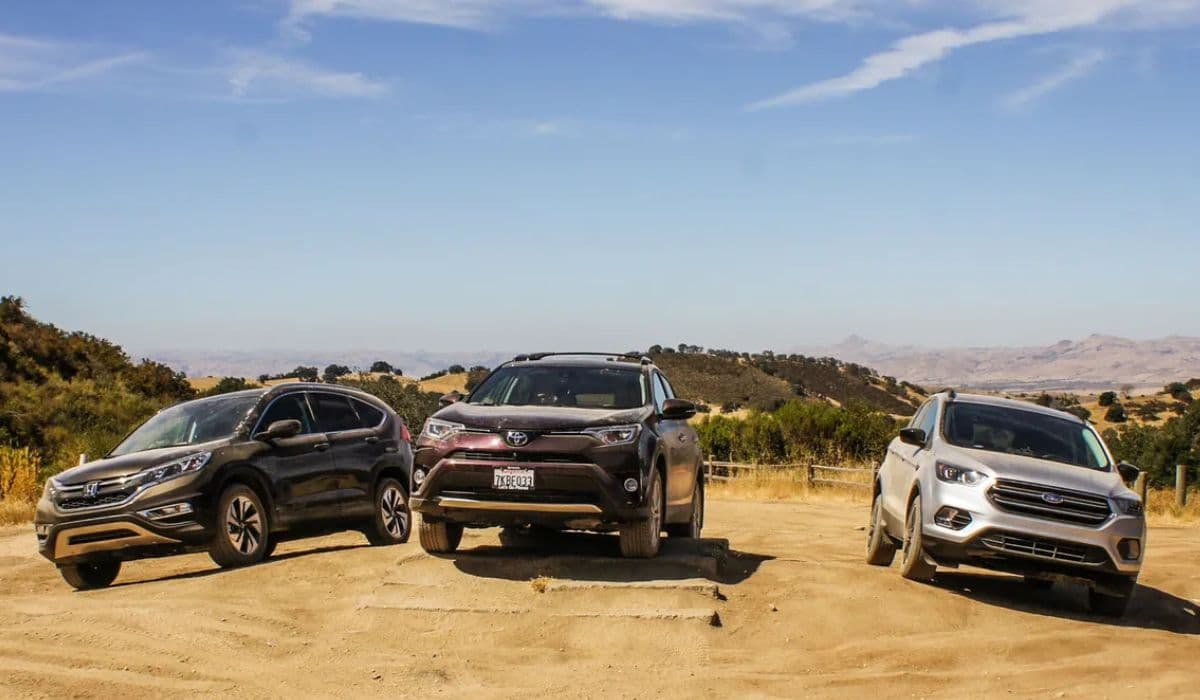
When shopping for a reliable used SUV that delivers everyday practicality without breaking the bank, three names consistently rise to the top: the Honda CR-V, Toyota RAV4, and Ford Explorer. These models represent different philosophies in the SUV world—compact efficiency versus midsize versatility—yet all appear frequently in the used market within reasonable budgets.
The CR-V and RAV4 dominate the compact crossover segment with their blend of fuel sipping, dependable engineering, and family-friendly features. The Explorer, a traditional midsize SUV with three-row seating, brings more space and towing potential but trades some efficiency and long-term simplicity. Choosing among them depends on your priorities: daily commuting and low ownership stress, or hauling larger groups and occasional heavy loads.
Reliability and Long-Term Ownership
Few categories matter more in the used SUV space than reliability, where small differences compound over tens of thousands of miles.
Honda CR-V stands out with exceptional scores in major dependability surveys, often edging ahead thanks to refined engines, smooth transmissions, and minimal major issues in well-maintained examples. Owners frequently report trouble-free ownership well past high mileage when basic services are followed.
Toyota RAV4 enjoys legendary status for bulletproof durability, particularly in its naturally aspirated and hybrid powertrains. Many examples reach extraordinary lifespans with only routine maintenance, making it a favorite for buyers seeking set-it-and-forget-it peace of mind.
Ford Explorer offers solid performance in newer generations but trails the Japanese duo in overall dependability rankings. Some owners encounter transmission quirks, electrical gremlins, or higher repair frequency, though careful selection of well-documented examples can mitigate risks.
Both the CR-V and RAV4 typically deliver lower annual repair costs and fewer unscheduled shop visits compared to the Explorer, giving them a clear advantage for budget-conscious buyers focused on minimizing surprises.
Fuel Economy and Driving Efficiency
Daily driving costs add up quickly, especially with rising fuel prices, so efficiency remains a key differentiator.
Honda CR-V delivers impressive highway returns, particularly in turbocharged or hybrid variants, making it ideal for long commutes or road trips where fuel stops are minimized.
Toyota RAV4 shines brightest in hybrid form, frequently achieving near-40 mpg combined figures that translate to real-world savings. Even non-hybrid versions remain competitive thanks to thoughtful gearing and lightweight design.
Ford Explorer, with its larger footprint and available V6 or turbo engines, naturally consumes more fuel. It prioritizes power delivery over sipping gas, which suits highway merging or towing but penalizes commuters.
If minimizing trips to the pump ranks high on your list, the RAV4 hybrid configuration often pulls ahead, followed closely by the CR-V.
Interior Space, Comfort, and Practicality
Cabin design reveals each model's intended buyer.
Honda CR-V excels in clever packaging, offering generous rear legroom, one of the largest cargo areas in the compact class, and versatile folding seats. The cabin feels airy and upscale, with supportive seats ideal for long drives and abundant small-item storage.
Toyota RAV4 provides comfortable five-passenger seating with flexible cargo options and a rugged vibe in certain trims. While cargo volume trails the CR-V slightly, thoughtful touches like a low load floor and durable materials make it family-ready.
Ford Explorer transforms the equation with true three-row seating for up to seven passengers, plus substantially more overall interior volume. Third-row access and cargo capacity behind it surpass the compacts, though second-row comfort can feel tighter in base setups compared to the spacious rears in the CR-V and RAV4.
For small families or couples prioritizing maximum cargo flexibility, the CR-V often feels most livable day-to-day. Larger households needing occasional extra seats gravitate toward the Explorer.
Safety Features and Driver Assistance
Modern used SUVs from these brands come equipped with advanced safety suites that have evolved significantly.
Honda Sensing suite appears consistently, bringing adaptive cruise control, lane-keeping assist, forward collision mitigation, and road departure prevention—features that earn top crash-test honors across generations.
Toyota Safety Sense mirrors this with similar proactive systems, including strong automatic emergency braking and pedestrian detection, contributing to excellent real-world safety records.
Ford's Co-Pilot360 package includes blind-spot monitoring, rear cross-traffic alert, and automatic emergency braking on many trims, often adding extras like intersection assist that enhance confidence in traffic.
All three earn strong safety reputations, but the CR-V and RAV4 frequently post marginally higher scores in independent evaluations due to consistent standard equipment.
Performance, Handling, and On-Road Feel
Driving dynamics separate these SUVs noticeably.
Honda CR-V offers the most engaging steering feel in the trio, with responsive handling that makes it enjoyable on twisty roads while maintaining a comfortable, composed ride.
Toyota RAV4 prioritizes smooth, predictable behavior over sportiness, excelling in effortless highway cruising and light off-road capability in adventure-oriented trims.
Ford Explorer delivers confident power delivery and a planted feel, especially with available all-wheel drive, though its larger size results in more body roll and less nimble cornering than the compacts.
The CR-V appeals to drivers who enjoy a bit of involvement behind the wheel, while the Explorer suits those valuing straight-line stability and towing confidence.
Towing Capability and Utility
For occasional trailers, boats, or heavy loads, capability varies dramatically.
Honda CR-V and Toyota RAV4 handle light towing duties adequately but remain limited compared to midsize rivals.
Ford Explorer stands apart with robust towing ratings, powerful engine choices, and trailer sway control, making it the clear pick for anyone who tows campers, small boats, or equipment regularly.
Which One Fits Your Lifestyle Best?
The Honda CR-V frequently emerges as the well-rounded champion for most buyers, blending top-tier reliability, spacious and premium-feeling interiors, engaging driving manners, and strong efficiency. It strikes an ideal balance for singles, couples, or small families who want minimal hassle and maximum everyday comfort.
The Toyota RAV4 counters with unmatched hybrid efficiency and a reputation for enduring forever with basic care—perfect for high-mileage drivers or those obsessed with fuel savings and resale strength.
The Ford Explorer carves its niche for bigger families or those needing legitimate three-row seating and towing muscle. It trades some long-term simplicity and efficiency for versatility that the compacts simply cannot match.
Test-driving each reveals personal preferences quickly—whether you value nimble handling and clever space usage, legendary durability with hybrid thrift, or expansive family-hauling ability. Any of these three can serve reliably for years when vetted carefully, but your specific needs will point to one clear winner.
More from Honda
Common 10-Speed Automatic Transmission Problems in Honda Accord 2018-2022
08.12.2025 10:56
Earth Dreams 1.5T Carbon Buildup Fix: Complete Guide to Solving Honda’s Direct Injection Problem
08.12.2025 11:49
Honda 1.5T vs Toyota 2.0 Dynamic Force – Which is Better?
08.12.2025 15:17
11th Gen Honda Civic Type R (FL5) Engine Changes: A Deep Dive into the Evolution of the K20C1
08.12.2025 08:08
2023+ Honda HR-V vs Previous Generation: In-Depth Engine and Powertrain Comparison
08.12.2025 08:03