Honda 1.5T vs Toyota 2.0 Dynamic Force – Which is Better?
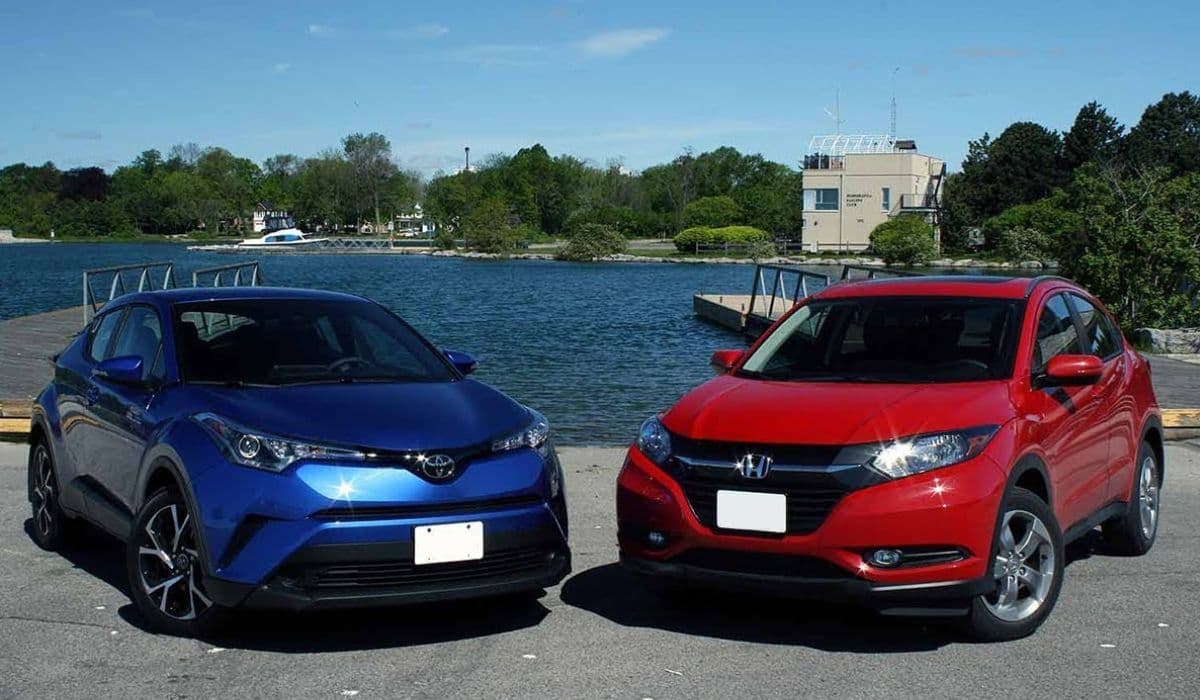
The battle between the Honda 1.5T (a turbocharged 1.5-liter four-cylinder) and the Toyota 2.0 Dynamic Force (a naturally aspirated 2.0-liter four-cylinder from the Dynamic Force family) represents two different philosophies in modern engine design. Honda emphasizes compact forced induction for punchy response and efficiency, while Toyota prioritizes thermal efficiency, smooth delivery, and long-term durability through advanced naturally aspirated tech.
Both engines power popular compact and midsize models, delivering strong real-world performance without excessive thirst. But which one truly stands out when you dig into drivability, efficiency, refinement, and ownership experience? Let's break it down category by category.
Performance and Driving Feel
The Honda 1.5T uses turbocharging to extract impressive output from its smaller displacement. It delivers strong low- to mid-range torque, making it feel eager in everyday scenarios like merging onto highways or passing slower traffic.
Quick spool-up provides immediate pull once boost arrives
Mid-range surge creates an engaging, responsive character
Higher-revving nature rewards enthusiastic driving
In contrast, the Toyota 2.0 Dynamic Force relies on a high compression ratio, dual injection (port + direct), and variable valve timing to produce linear power.
Smooth, predictable throttle response with no noticeable lag
Broad torque band feels consistent across the rev range
Less peaky delivery suits relaxed commuting
Drivers seeking excitement often lean toward the Honda's turbo kick, while those valuing seamless progression prefer Toyota's refined, vibration-free operation.
Fuel Efficiency and Real-World Economy
Efficiency remains a core strength for both, but they achieve it differently. The smaller Honda engine, aided by turbocharging, excels in highway cruising where boost stays modest.
Impressive combined figures, especially in lighter applications
Strong highway returns thanks to efficient boost management
The Toyota 2.0 Dynamic Force shines with its class-leading thermal efficiency (around 40% in pure gasoline form), thanks to innovative features like laser-clad valve seats and integrated exhaust passages.
Excellent city efficiency due to smooth low-rpm operation
Minimal fuel penalty during mixed driving
Consistent economy regardless of driving style
In balanced daily use, the Toyota often edges ahead in real-world tests, particularly in stop-and-go traffic where the naturally aspirated design avoids turbo-related demands.
Reliability and Long-Term Durability
Reliability separates these engines in owner discussions. The Honda 1.5T, while capable, has faced scrutiny over certain issues in earlier iterations.
Oil dilution in specific conditions (short trips, cold climates)
Occasional carbon buildup on intake valves from direct injection
Reports of head gasket concerns under sustained high load
Many of these have been mitigated through updates, software revisions, and stricter maintenance, but the turbo adds complexity that demands diligent care — frequent oil changes with quality synthetic and premium fuel help tremendously.
The Toyota 2.0 Dynamic Force benefits from Toyota's conservative engineering approach and a proven family lineage.
Fewer widespread complaints in high-mileage examples
Robust construction with integrated cooling features
Simpler naturally aspirated layout reduces potential failure points
Early data points to solid longevity, with minor concerns like occasional EGR-related bulletins in select markets, but nothing approaching chronic patterns. For buyers planning 200,000+ km ownership, Toyota's design inspires greater confidence.
Refinement, NVH, and Daily Livability
Cabin experience matters as much as raw specs. The Honda 1.5T offers a sportier soundtrack under load, with a noticeable turbo whoosh and growl that adds character.
More audible engine presence during acceleration
Slightly higher NVH at idle and cruise in some applications
The Toyota 2.0 Dynamic Force prioritizes tranquility.
Exceptionally smooth operation with minimal vibration
Quieter overall, especially at highway speeds
Refined manners that make long drives less fatiguing
If serenity ranks high on your list, Toyota's engine feels more premium in day-to-day use.
Maintenance and Ownership Considerations
Both engines require regular upkeep, but differences emerge in complexity and intervals.
Honda: Turbo components (intercooler, wastegate) add potential service items; shorter recommended oil intervals in demanding conditions
Toyota: Simpler architecture eases routine tasks; ultra-low viscosity oils demand precise changes but extend efficiency
Neither is maintenance-free, but Toyota's design generally translates to lower long-term intervention needs.
Which Engine Wins?
The choice boils down to priorities. The Honda 1.5T excels if you crave responsive, fun-to-drive performance with strong passing power and excellent highway efficiency. It rewards engaged drivers and feels more modern in its delivery.
The Toyota 2.0 Dynamic Force stands out for effortless refinement, consistent real-world economy, and a stronger case for bulletproof longevity. It suits those who value smoothness, quiet operation, and peace of mind over peak excitement.
Neither is outright "better" — the Honda brings energy and agility, while Toyota delivers polished dependability. Test drive both; the one that matches your driving style will feel clearly superior in your hands.
More from Honda
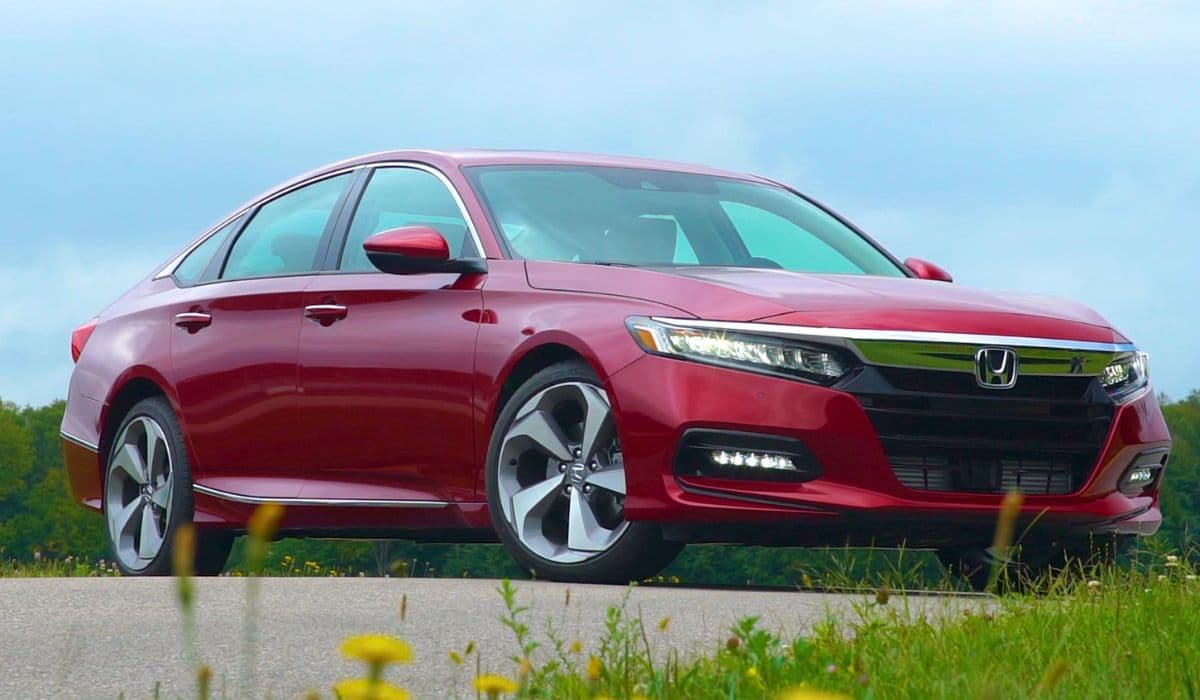
Common 10-Speed Automatic Transmission Problems in Honda Accord 2018-2022
08.12.2025 10:56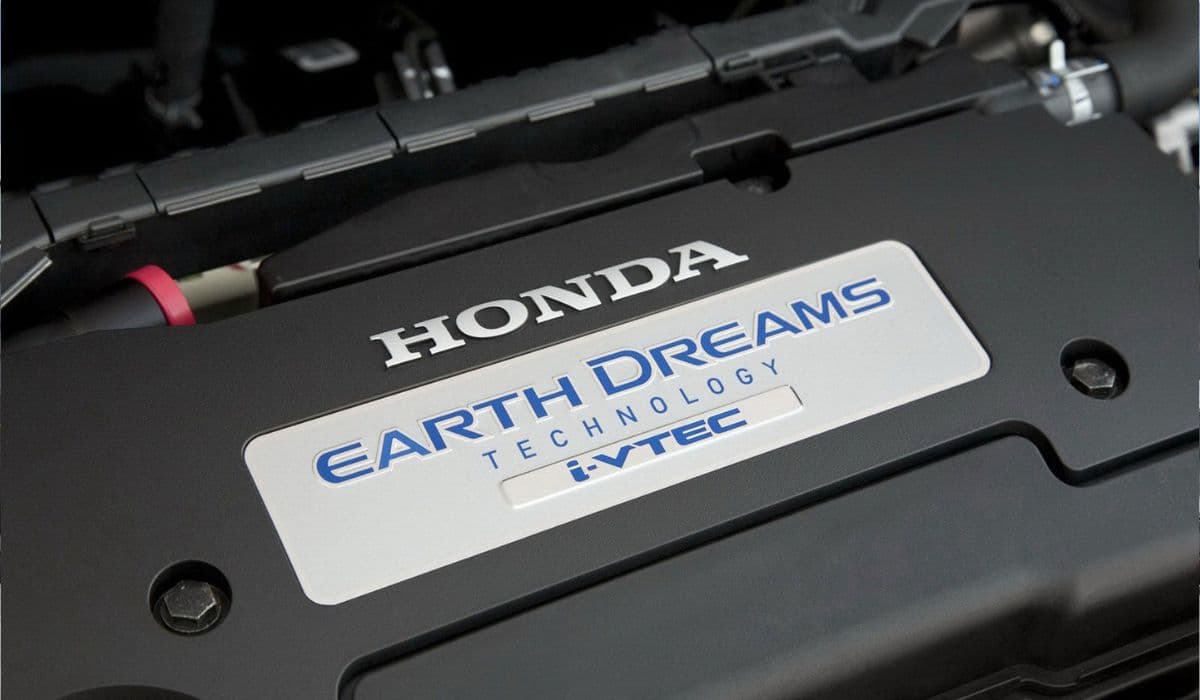
Earth Dreams 1.5T Carbon Buildup Fix: Complete Guide to Solving Honda’s Direct Injection Problem
08.12.2025 11:49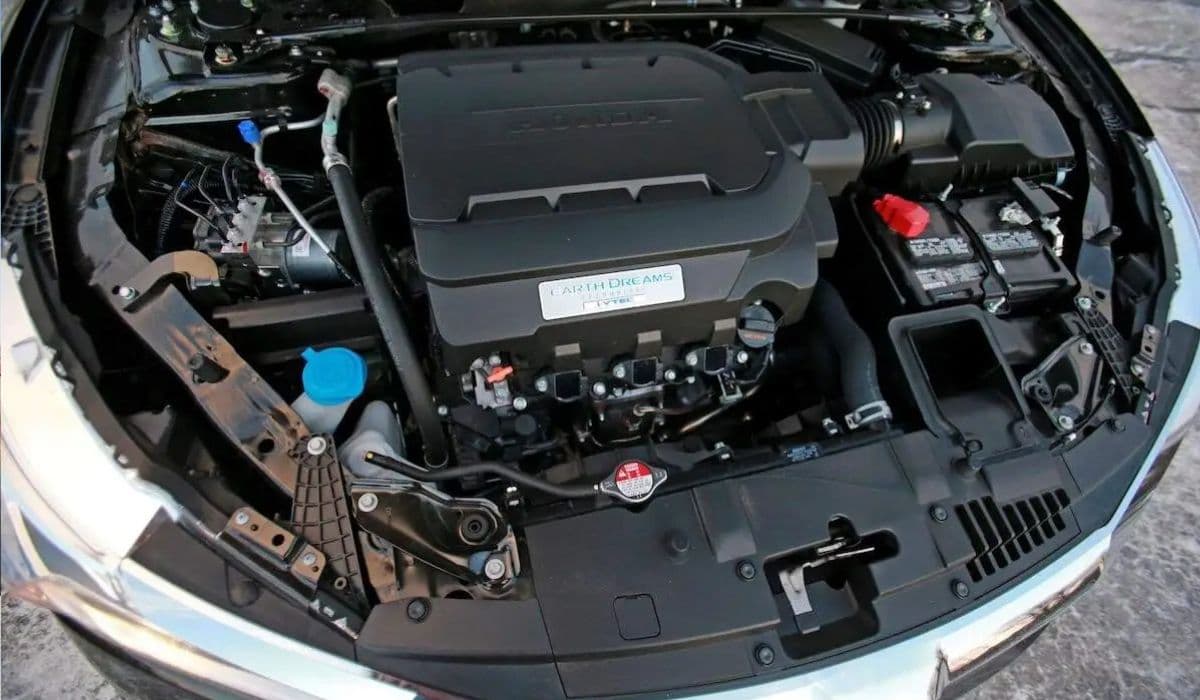
J35 V6 Reliability in 2018+ Honda Odyssey and Pilot: A Deep Dive into Real-World Performance
08.12.2025 10:52
11th Gen Honda Civic Type R (FL5) Engine Changes: A Deep Dive into the Evolution of the K20C1
08.12.2025 08:08
2023+ Honda HR-V vs Previous Generation: In-Depth Engine and Powertrain Comparison
08.12.2025 08:03