
Honda Accord high-pitched interior noises on startup
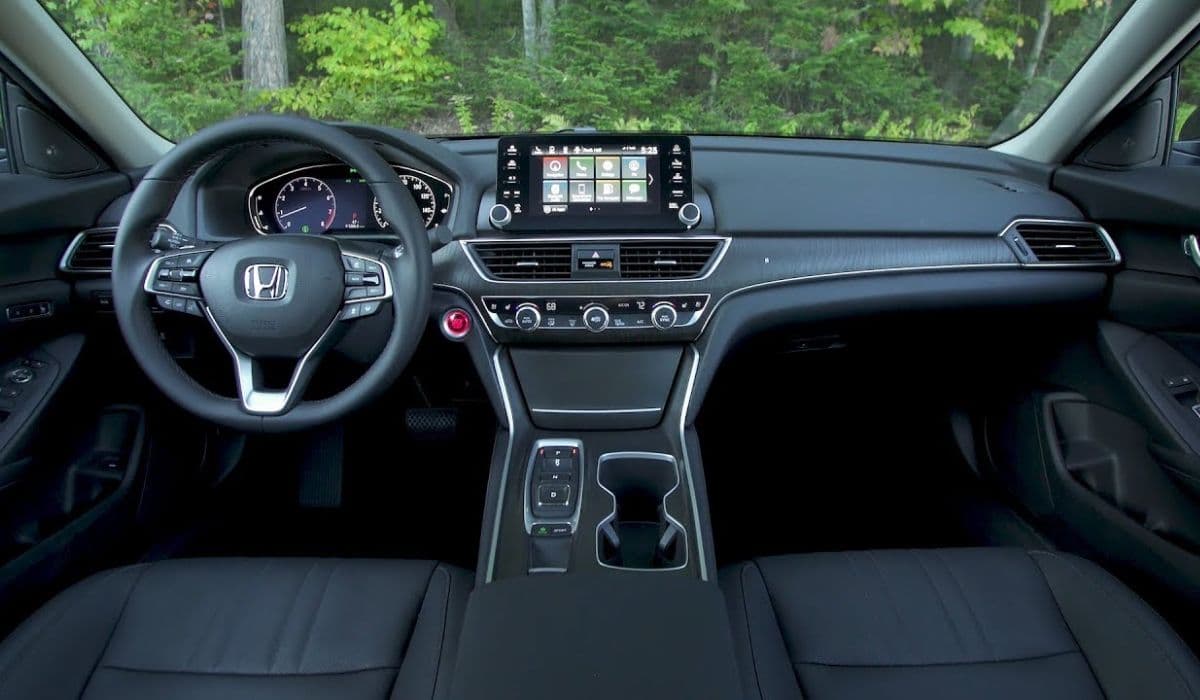
Many Honda Accord owners experience an unexpected high-pitched sound coming from inside the cabin right when they turn the key (or push the button) on a cold morning. This sharp chirp, whine, squeal, or whistle often lasts only a few seconds to a couple of minutes and then mysteriously disappears as the engine warms up. While it can be startling — especially in a quiet garage at dawn — the phenomenon is surprisingly common across various Accord generations.
These noises rarely signal catastrophic failure, but they deserve attention because they reveal how different vehicle systems behave during those critical first moments after a cold start.
Most Common Culprit: The HVAC Blower Motor Chirp
One of the most frequently reported sources of high-pitched interior noise during cold startup is the climate control system — specifically the blower motor or its related air doors.
When the car sits overnight and the interior is cold, several factors align to create this distinctive sound:
The automatic climate control system runs a quick self-test or calibration cycle immediately after startup
Plastic air-mix doors or mode doors sometimes stick slightly due to thermal contraction
The blower motor bearings or squirrel cage fan can develop a temporary chirp when cold
Key characteristics of this noise:
Sounds like a bird chirp, high-pitched squeak, or electronic whine
Originates from the dashboard center or passenger side vents
Lasts 30 seconds to 3 minutes
Usually disappears completely once cabin temperature rises
More noticeable in cold weather
Often changes intensity if you switch from AUTO to manual fan speed right after starting
Many owners discover that simply turning off the automatic climate control before shutdown or manually selecting low fan speed before starting reduces or eliminates the sound temporarily.
Active Noise Cancellation System (ANC) in Newer Models
Newer Accord generations equipped with Active Noise Cancellation can sometimes produce an unusual high-pitched tone during the initial startup sequence.
The ANC system uses microphones and speakers to generate counter-waves that cancel low-frequency engine drone. During cold starts:
The system performs a rapid self-check
Speakers may emit a brief, faint high-frequency tone as part of initialization
In rare cases, a minor calibration drift creates an audible whine for a few seconds
This phenomenon tends to be more noticeable when windows are fully closed and music is off. Owners often report the sound is completely absent when one front window is slightly cracked during startup.
Power Steering System – The Cabin-Permeating Whine
Although the power steering pump resides in the engine bay, the whine it produces on cold start travels remarkably well through the firewall into the interior.
Especially in models with hydraulic power steering, the pump can emit a characteristic high-pitched moan or whine when:
Fluid is cold and more viscous
There's a tiny amount of air in the system
The inlet O-ring has developed a small leak allowing air ingestion
Why it feels like an interior noise:
The sound resonates through the dashboard structure
It changes pitch noticeably when you turn the steering wheel immediately after starting
The whine usually fades within 30-90 seconds of running
A quick test many owners perform: start the car and immediately turn the steering wheel lock-to-lock several times — if the pitch changes dramatically, the power steering system is likely involved.
Less Common but Possible Interior Sources
Sometimes the high-pitched startup sound originates from other cabin components that react to the initial electrical surge or vibration:
Loose trim panels or dashboard pieces resonating at a specific frequency during the starter engagement
Fuel pump priming (especially noticeable in extremely quiet cabins)
Relay clicks amplified through the instrument cluster
Electric power steering motor initialization (in newer EPS-equipped Accords)
These tend to be very brief (1-3 seconds) and are often described as more of a "zing" or electronic tone than a mechanical chirp.
Diagnostic Steps You Can Perform at Home
Pinpointing the exact source without professional tools is challenging, but these simple checks often reveal the culprit:
Start the car with the climate control completely off — does the noise disappear?
Immediately after starting, switch from AUTO to manual low fan — does the sound change or stop?
Crack the driver’s window 1-2 inches during startup — does the pitch or volume alter noticeably?
Turn the steering wheel gently right after starting — does the noise change in tone?
Listen carefully with the hood open and then closed — does the sound seem significantly louder inside the cabin?
Record the noise multiple times in different weather conditions for comparison
These quick tests usually separate HVAC-related sounds from engine bay noises that bleed into the interior.
When to Take It Further
While most high-pitched cold-start interior noises remain benign "character traits" of the Accord, consider professional inspection if:
The sound becomes progressively louder over weeks/months
It lasts significantly longer than 2-3 minutes consistently
You notice accompanying symptoms (steering feel changes, poor cabin heating, unusual electrical behavior)
The noise starts appearing on warm starts as well
Experienced Honda technicians can often identify these sounds within seconds using a combination of experience and a mechanic's stethoscope.
The high-pitched startup symphony in many Honda Accords represents the complex dance between cold components, electronics, and fluids awakening together. Understanding the most likely sources turns an annoying mystery into a predictable quirk — one that usually requires little more than awareness rather than repair.
More from Honda
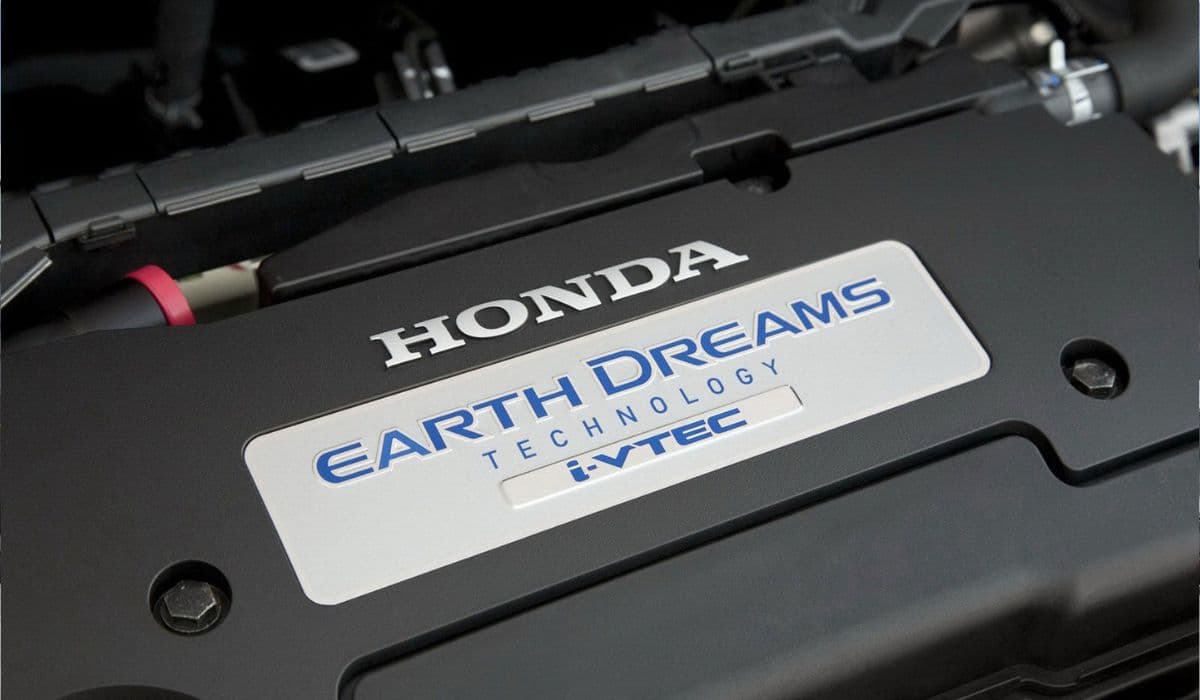
Earth Dreams 1.5T Carbon Buildup Fix: Complete Guide to Solving Honda’s Direct Injection Problem
08.12.2025 11:49
Best Used SUV Under $25,000: Honda CR-V vs Toyota RAV4 vs Ford Explorer
08.12.2025 15:32
Honda 1.5T vs Toyota 2.0 Dynamic Force – Which is Better?
08.12.2025 15:17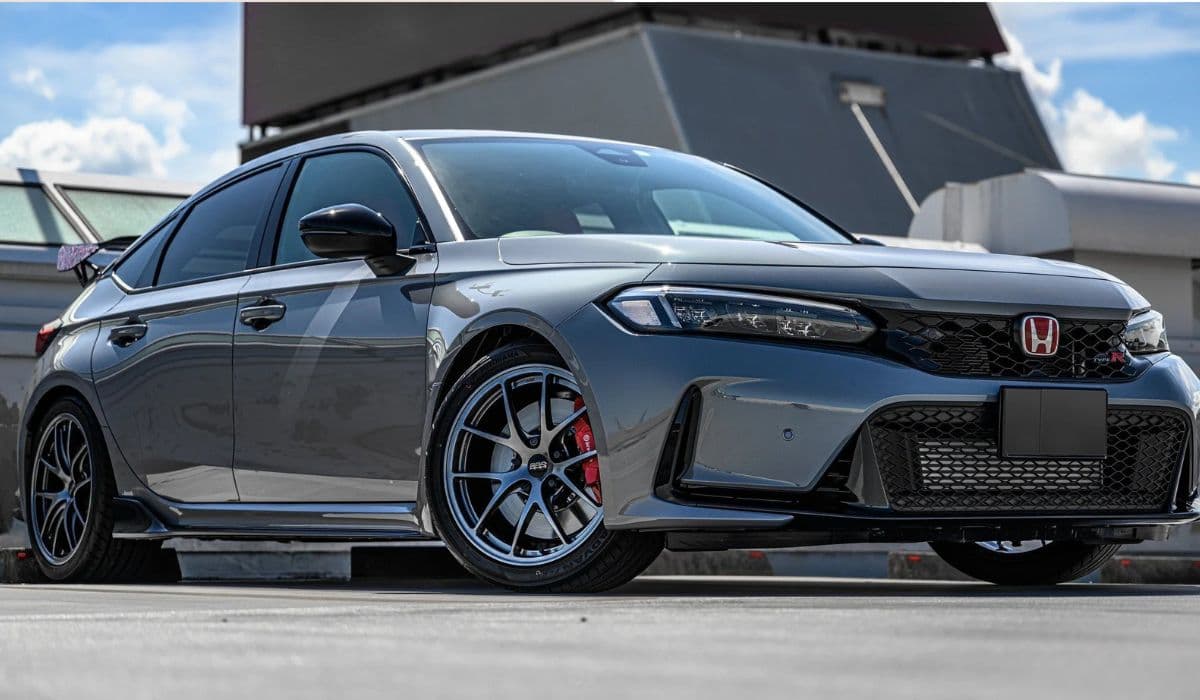
11th Gen Honda Civic Type R (FL5) Engine Changes: A Deep Dive into the Evolution of the K20C1
08.12.2025 08:08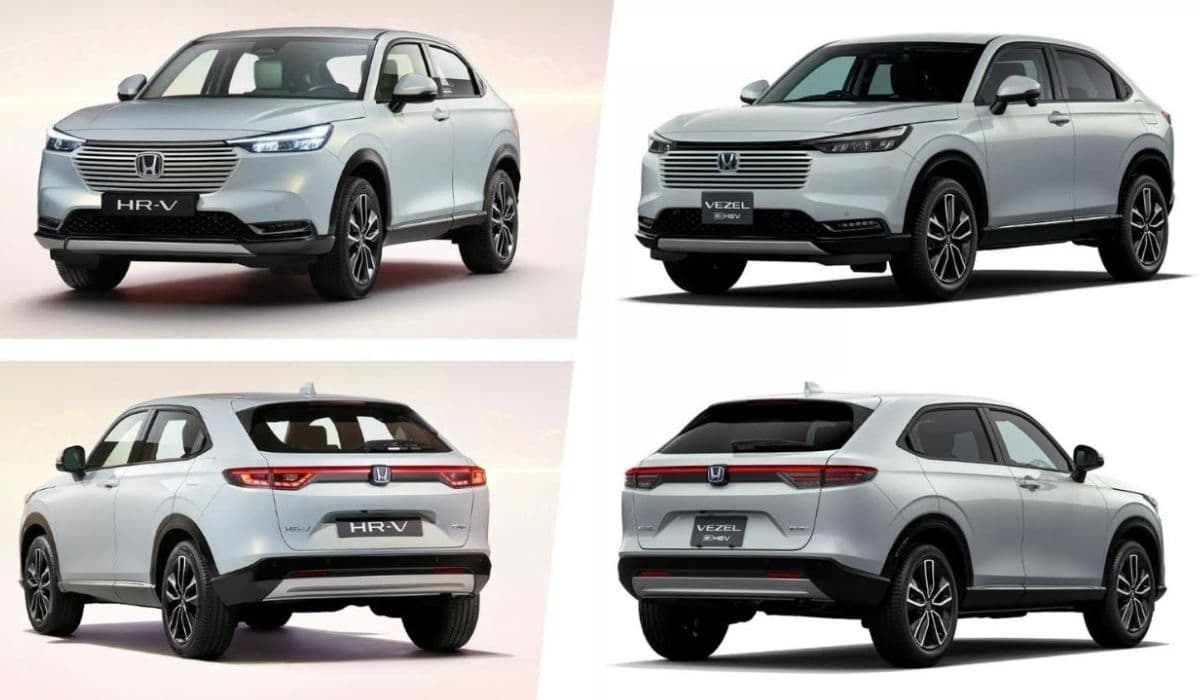
2023+ Honda HR-V vs Previous Generation: In-Depth Engine and Powertrain Comparison
08.12.2025 08:03