
Honda Civic firm seats and ride comfort on rough roads
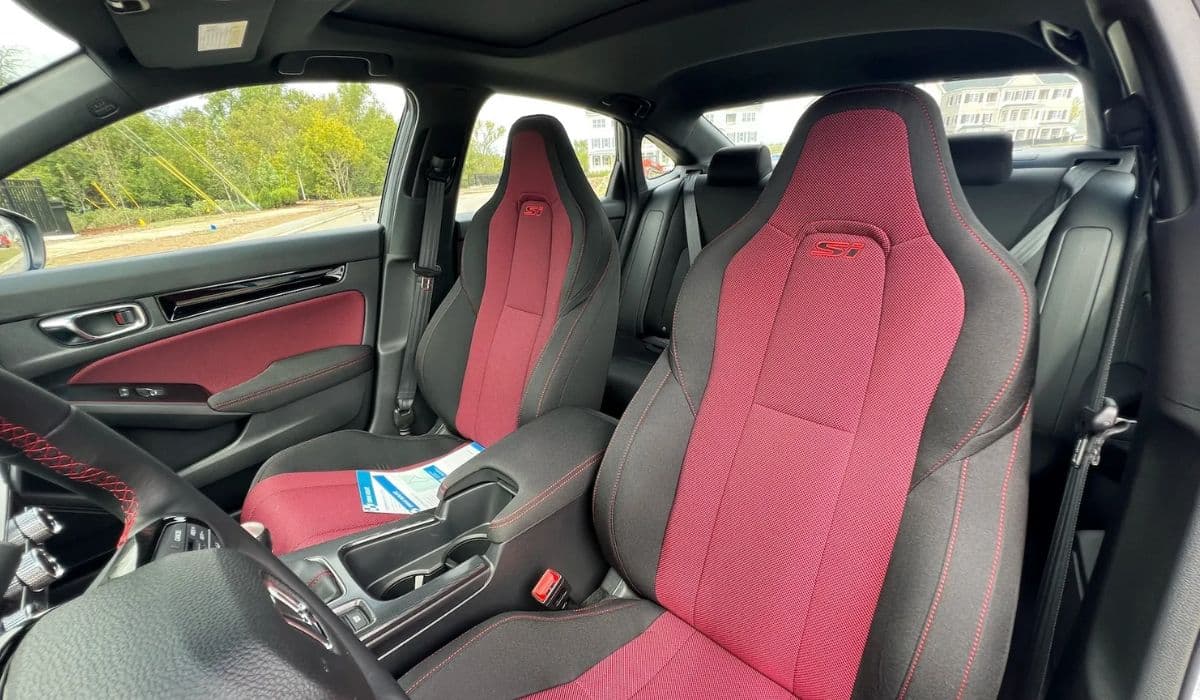
The Honda Civic has long maintained its reputation as one of the most engaging compact cars on the market. Its blend of sharp handling, responsive steering, and efficient powertrains attracts enthusiasts who value driving involvement over pure luxury. However, this sporty character often translates into firm seats and a suspension tuning that prioritizes body control over plush isolation — especially noticeable when driving on rough, uneven, or pothole-filled roads.
Many owners appreciate this firmness as part of the car's athletic personality, while others find it challenging for daily comfort. Understanding the interplay between seat design and suspension behavior helps explain why the Civic delivers such a distinctive experience on imperfect pavement.
The Firm Nature of Honda Civic Seats
Honda engineers typically design Civic front seats with a sport-oriented philosophy. Rather than prioritizing thick, pillow-like cushioning, they focus on strong lateral support, good bolstering, and a shape that holds the driver in place during spirited cornering.
This results in seats that feel noticeably firmer compared to many mainstream competitors. The foam density tends to be higher, creating a supportive but less forgiving surface. For drivers who enjoy a connected, "on-rails" driving position, this firmness provides excellent feedback and reduces unwanted movement.
Key characteristics of Civic seats that contribute to their firm feel:
High-density foam designed to maintain shape over time
Pronounced side bolsters that hug the hips and shoulders
Relatively flat cushion shape with limited initial plushness
Firm lumbar area that emphasizes support rather than deep cushioning
Materials (cloth or leather) that prioritize durability and grip
For many people, this setup becomes more comfortable after an adaptation period — sometimes called the "break-in" phase — when the foam slightly softens and conforms better to individual body shapes. Others, particularly those accustomed to softer, more cushioned seats, may perceive the firmness as borderline harsh, especially during extended highway drives or when combined with rough road surfaces.
How Firm Seats Interact with Rough Road Impacts
Rough roads introduce constant small-to-medium impacts, vibrations, and sharp jolts. In a vehicle with firm seats, these inputs transfer more directly to the occupant's body compared to a softer, thicker seat that can absorb and dissipate energy.
The limited cushioning means less "filtering" of road imperfections. Vibrations from broken pavement or expansion joints travel through the firm foam more readily, sometimes creating a fatiguing buzz in the lower back or thighs after prolonged exposure. Sharp pothole hits can feel more pronounced because the seat offers less give, transmitting the shock almost immediately to the spine.
This characteristic becomes most apparent on poorly maintained urban streets, country roads with frost heaves, or construction zones. Drivers sensitive to vibrations may notice increased fatigue compared to vehicles tuned for maximum comfort isolation.
However, the same firmness that transmits more road feel also delivers advantages:
Better awareness of road surface changes
Reduced "floating" sensation that can occur in overly soft seats
More precise positioning during aggressive maneuvers
Less tendency for the body to shift sideways on uneven pavement
For drivers who value feedback and control, this trade-off often feels worthwhile.
Suspension Tuning: The Foundation of Ride Behavior
The Civic's suspension calibration plays an equally important role in how rough roads are experienced. Honda consistently tunes the chassis for a balance of sporty handling and everyday usability, resulting in a firm but controlled ride.
MacPherson struts up front and multi-link rear suspension provide excellent grip and stability, but they also mean less compliance over broken pavement compared to softer, more absorbent setups found in some family-oriented competitors.
Typical ride traits on rough surfaces:
Quick response to steering inputs remains intact even on bumpy roads
Body roll stays well-controlled, maintaining confidence in corners
Larger impacts are handled with composure rather than wallowing
Small, high-frequency vibrations (from rough asphalt or gravel) transmit more clearly into the cabin
Harshness increases noticeably with larger wheels and lower-profile tires
This tuning philosophy explains why many owners describe the ride as "firm but never harsh" on good roads, while the same setup can feel punishing on severely deteriorated surfaces. The goal is driver involvement first, with comfort as a close second rather than the primary focus.
Who Benefits from This Firm Ride Philosophy
The combination of firm seats and taut suspension suits certain driving profiles particularly well.
Drivers who typically enjoy the Civic's ride and seats:
People who prioritize sharp handling and precise road feel
Enthusiasts who frequently take winding roads or drive aggressively
Owners who spend most time on well-maintained highways and city streets
Drivers who value long-term seat durability and support over initial plushness
Individuals who adapt well to firmer automotive environments
For these owners, the Civic's firmness becomes a feature rather than a drawback — an integral part of what makes the car feel alive and connected.
Conversely, drivers with back sensitivity, those who frequently encounter very poor road conditions, or people who prioritize maximum isolation may find the setup more challenging. In such cases, aftermarket cushions, tire pressure adjustments, or even different wheel/tire combinations can sometimes help mitigate harshness without completely sacrificing the car's dynamic character.
Finding the Sweet Spot: Making Firm Work for You
Many Civic owners discover that small changes dramatically improve comfort on rough roads without losing the car's engaging nature.
Useful adjustments include slightly lowering tire pressures (within safe limits), choosing tires with more compliant sidewalls, or adding subtle seat support accessories that distribute pressure differently. These tweaks often strike an effective compromise between the factory sporty intent and everyday usability.
Ultimately, the Honda Civic's firm seats and controlled ride on rough roads represent a deliberate engineering choice — one that celebrates driver engagement while still providing reasonable comfort for most situations. The result is a compact car that feels distinctly alive, even when the pavement quality turns challenging.
More from Honda
Earth Dreams 1.5T Carbon Buildup Fix: Complete Guide to Solving Honda’s Direct Injection Problem
08.12.2025 11:49
Best Used SUV Under $25,000: Honda CR-V vs Toyota RAV4 vs Ford Explorer
08.12.2025 15:32
Honda 1.5T vs Toyota 2.0 Dynamic Force – Which is Better?
08.12.2025 15:17
11th Gen Honda Civic Type R (FL5) Engine Changes: A Deep Dive into the Evolution of the K20C1
08.12.2025 08:08
2023+ Honda HR-V vs Previous Generation: In-Depth Engine and Powertrain Comparison
08.12.2025 08:03