
Honda Pilot brake pedal issues and recall frustrations
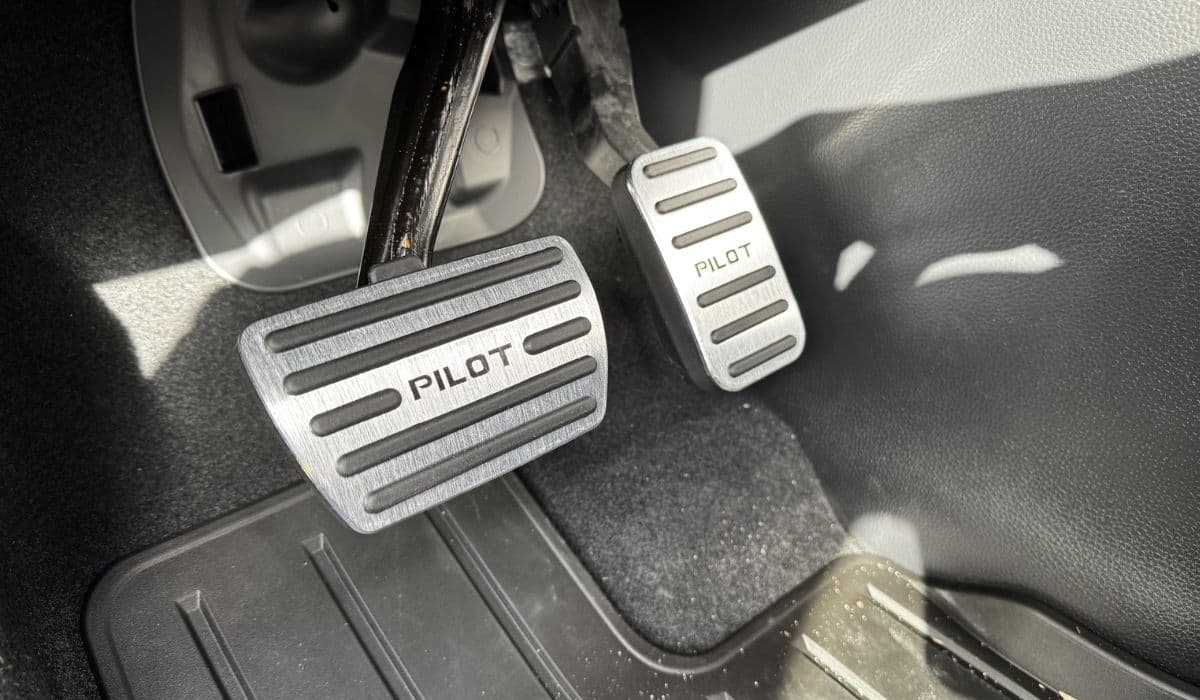
The Honda Pilot has long been a favorite among families for its spacious interior, capable all-wheel-drive system, and reputation for dependable performance. Yet recent developments have placed the brake system — one of the most critical safety components — under intense scrutiny. Owners of newer Pilots are grappling with a significant manufacturing defect that can cause the brake pedal to shift laterally, leading to unpredictable braking behavior and widespread concern.
This problem centers on the brake pedal pivot pin, a small but essential metal rod that connects the pedal to the vehicle's braking mechanism. When this pin is not properly secured (or "staked") during assembly, the pedal can move side to side. Drivers may experience an unusual "loose" or "abnormal" feeling when pressing the brake, sometimes accompanied by a dashboard warning light or even brake lights that stay illuminated without input.
The Root Cause: A Supplier's Training Oversight
The defect traces back to a production transition at a key brake pedal supplier. As operations moved from a U.S. facility to a new location in Mexico, the company ramped up staffing to build inventory ahead of the changeover. Unfortunately, some new employees received inadequate training on the critical staking process — the step that locks the pivot pin firmly in place.
This oversight allowed defective components to slip through quality checks and reach assembly lines. The issue affects a substantial number of vehicles, highlighting how even minor lapses in training can cascade into major safety concerns for millions of drivers.
Warning Signs Every Owner Should Watch For
Recognizing the problem early can make a significant difference in both safety and peace of mind. Many affected drivers report these common indicators:
An unusual side-to-side wobble or looseness in the brake pedal when pressed
A "spongy" or inconsistent brake feel that differs from normal operation
The brake malfunction warning light illuminating on the dashboard
Brake lights remaining on even when the pedal isn't depressed
A subtle but noticeable change in braking response during everyday driving
If any of these symptoms appear, drivers are urged to limit use of the vehicle and seek professional inspection promptly. In forums and owner groups, some describe the sensation as "unnerving," especially when it occurs unexpectedly during routine stops.
The Recall Response and What It Entails
Honda acted decisively once the defect was identified, launching a comprehensive safety recall through the National Highway Traffic Safety Administration. The process typically follows this sequence:
Dealers perform a free inspection of the brake pedal assembly
Technicians check whether the pivot pin is properly staked
If the pin is defective, the entire brake pedal assembly is replaced
Most inspections take about 30 minutes, while replacements may require 1–2 hours
Loaner vehicles are often available at dealerships during service
While the repair itself is straightforward and provided at no cost, the sheer scale of the campaign has created logistical challenges. Dealerships have reported heavy booking volumes, leading to extended wait times in some regions. Owners frequently express relief that the fix is free, but frustration over scheduling delays and uncertainty about whether their specific vehicle is affected.
Owner Experiences: From Concern to Disappointment
Across online communities, Pilot owners share a mix of emotions regarding this issue. Many long-time Honda enthusiasts feel let down by a brand they trusted for minimal headaches. Common themes emerge in these discussions:
Surprise at discovering multiple recalls on relatively new vehicles
Annoyance over delayed or absent manufacturer notifications
Mixed experiences with dealership service, from efficient and courteous to slow and disorganized
Heightened anxiety about safety in a family hauler relied upon daily
Some drivers have taken to visually inspecting the pivot pin themselves — checking if it sits flush with the bracket — while awaiting official notices. Others report feeling a sense of betrayal, questioning how such a fundamental component could escape quality control in the first place.
Broader Implications for Trust in Modern Manufacturing
This brake pedal situation underscores a recurring challenge in the automotive industry: the delicate balance between rapid production scaling and rigorous quality assurance. When supply chains shift and training falls short, even trusted brands can face credibility tests. For Honda Pilot owners, the episode serves as a reminder that reliability isn't guaranteed forever — it requires constant vigilance from manufacturers.
Many families continue to appreciate the Pilot's overall package, from its versatile seating to its smooth ride. However, this brake-related episode has injected a dose of caution into ownership experiences. Drivers now pay closer attention to pedal feel, warning lights, and official communications, hoping future production runs avoid similar pitfalls.
The frustration is real, yet the path forward remains clear: proactive inspections, swift repairs, and renewed emphasis on quality at every step. For now, affected owners must navigate the recall process while holding onto the hope that this chapter becomes a footnote rather than a defining characteristic of their Pilot.
More from Honda
Earth Dreams 1.5T Carbon Buildup Fix: Complete Guide to Solving Honda’s Direct Injection Problem
08.12.2025 11:49
Best Used SUV Under $25,000: Honda CR-V vs Toyota RAV4 vs Ford Explorer
08.12.2025 15:32
Honda 1.5T vs Toyota 2.0 Dynamic Force – Which is Better?
08.12.2025 15:17
11th Gen Honda Civic Type R (FL5) Engine Changes: A Deep Dive into the Evolution of the K20C1
08.12.2025 08:08
2023+ Honda HR-V vs Previous Generation: In-Depth Engine and Powertrain Comparison
08.12.2025 08:03