
Honda Pilot idle stop-start system hard to disable permanently
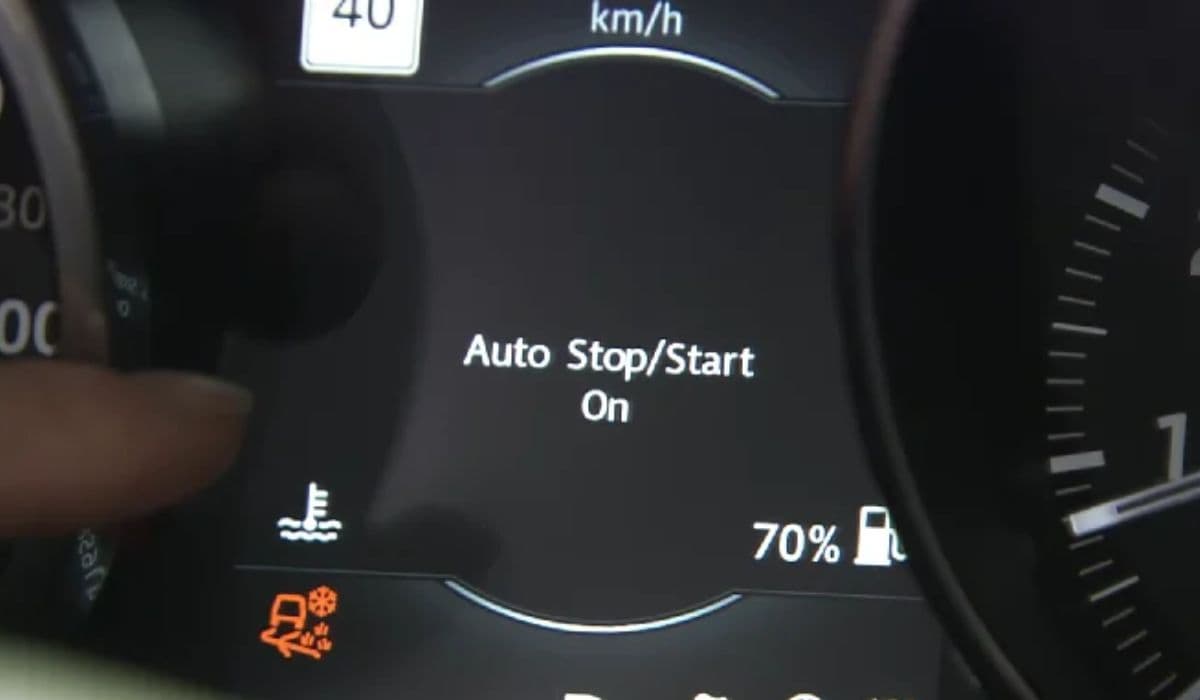
The Auto Idle Stop (also known as Idle Stop-Start or ISS) system in the Honda Pilot is one of those modern features that divides owners more than almost any other. Designed to briefly shut off the engine during stops to save fuel and reduce emissions, it sounds great in theory — but in real-world driving, many Pilot owners find it intrusive, jarring, and sometimes unreliable.
The biggest source of frustration? The system resets to "ON" every single time you start the vehicle. There's no factory setting to keep it disabled permanently. This forces drivers into a repetitive ritual: start the engine → press the A-OFF button → repeat at every ignition cycle. So why did Honda make it so difficult to turn off for good?
Understanding How the Idle Stop-Start System Works in the Pilot
Honda's Auto Idle Stop system monitors dozens of conditions before allowing the engine to shut down at a stop:
Vehicle must be fully stopped
Brake pedal firmly pressed
Engine at proper operating temperature
Battery adequately charged
Air conditioning demands not too high
Steering wheel not turned sharply
Hood closed
No significant electrical load (like heated seats or defrosters)
When conditions are met, the engine stops. The moment you ease off the brake, the starter instantly restarts the engine — often with a noticeable thud. The system uses a reinforced starter, special AGM battery, and sophisticated engine management software to handle thousands of extra start cycles.
This complexity is exactly why a simple permanent OFF switch isn't available from the factory.
Regulatory and Certification Reasons Behind the Lack of Permanent Disable
The core reason Honda (and most automakers) won't let you permanently disable Idle Stop-Start lies in government fuel economy and emissions regulations.
Fuel economy ratings (EPA window sticker numbers) are measured with the system active by default. If manufacturers allowed an easy permanent disable through the menu or a long-press option, regulators could argue that the official ratings should reflect the disabled state — which would show worse MPG.
This creates a strong disincentive for any permanent OFF setting. Manufacturers must ensure the system remains functional for certification purposes, even if individual owners dislike it.
In practice this means:
The button only provides temporary disablement per drive cycle
No memory function remembers your last preference
Software coding changes (possible through professional tools) may void warranty coverage for emissions-related components
Common Owner Complaints and Real-World Drawbacks
Many Pilot owners report similar frustrations with the system:
Abrupt restarts — especially noticeable when the AC is running
Delayed response at green lights — that half-second hesitation feels dangerous in busy traffic
Extra wear concerns — despite Honda's reinforced components, thousands of additional starts make some owners nervous about long-term starter and battery life
Hot climate discomfort — in warm weather the brief engine-off period can make the cabin noticeably warmer
Inconsistent activation — sometimes it works, sometimes it doesn't, creating unpredictability
These issues explain why forums are filled with threads dedicated to finding workarounds.
Available Methods to Avoid Pressing the Button Every Time
Owners have developed several approaches to minimize the annoyance:
Driving mode trick — Sport, Snow, or Tow modes often disable Idle Stop by default (though this changes handling characteristics and fuel economy)
Light brake pressure technique — keeping very light pressure on the brake pedal can prevent activation in some situations
Extreme temperature settings — max cold or max hot AC sometimes overrides the feature (inconsistent results)
Aftermarket eliminators — small plug-and-play modules that intercept the button signal and automatically apply the OFF command at startup
DIY wiring modifications — advanced owners have created hardwired solutions that simulate constant button press (requires electrical knowledge)
Professional software coding — using specialized diagnostic tools to attempt changing the default state (risky and warranty implications)
Each method has trade-offs between convenience, reliability, cost, and potential warranty risks.
Potential Risks of Permanent Disable Attempts
Modifying the Idle Stop-Start system isn't risk-free:
Warranty concerns — dealers may deny coverage for battery, starter, or alternator issues
Error codes — some crude modifications trigger dashboard warnings
Battery life changes — the AGM battery is optimized for frequent restarts; disabling the feature might allow switching to a conventional battery (but charging logic may differ)
Resale value perception — some future buyers prefer the fuel-saving feature intact
Careful research and reversible modifications help minimize these downsides.
Final Thoughts on Living with (or Around) the System
The Honda Pilot's Idle Stop-Start system represents a classic tension between regulatory requirements, manufacturer fuel economy claims, and real-world driver preferences. While the engineering behind it is impressive, the inability to permanently disable it remains a major pain point for many owners.
Whether you choose a simple driving mode workaround, invest in a plug-and-play eliminator, or accept the daily button press, understanding the "why" behind the design helps make peace with this controversial feature — or motivates you to find the right workaround for your driving style.
More from Honda
Earth Dreams 1.5T Carbon Buildup Fix: Complete Guide to Solving Honda’s Direct Injection Problem
08.12.2025 11:49
Best Used SUV Under $25,000: Honda CR-V vs Toyota RAV4 vs Ford Explorer
08.12.2025 15:32
Honda 1.5T vs Toyota 2.0 Dynamic Force – Which is Better?
08.12.2025 15:17
11th Gen Honda Civic Type R (FL5) Engine Changes: A Deep Dive into the Evolution of the K20C1
08.12.2025 08:08
2023+ Honda HR-V vs Previous Generation: In-Depth Engine and Powertrain Comparison
08.12.2025 08:03