Overall reliability and low repair costs Honda Civic
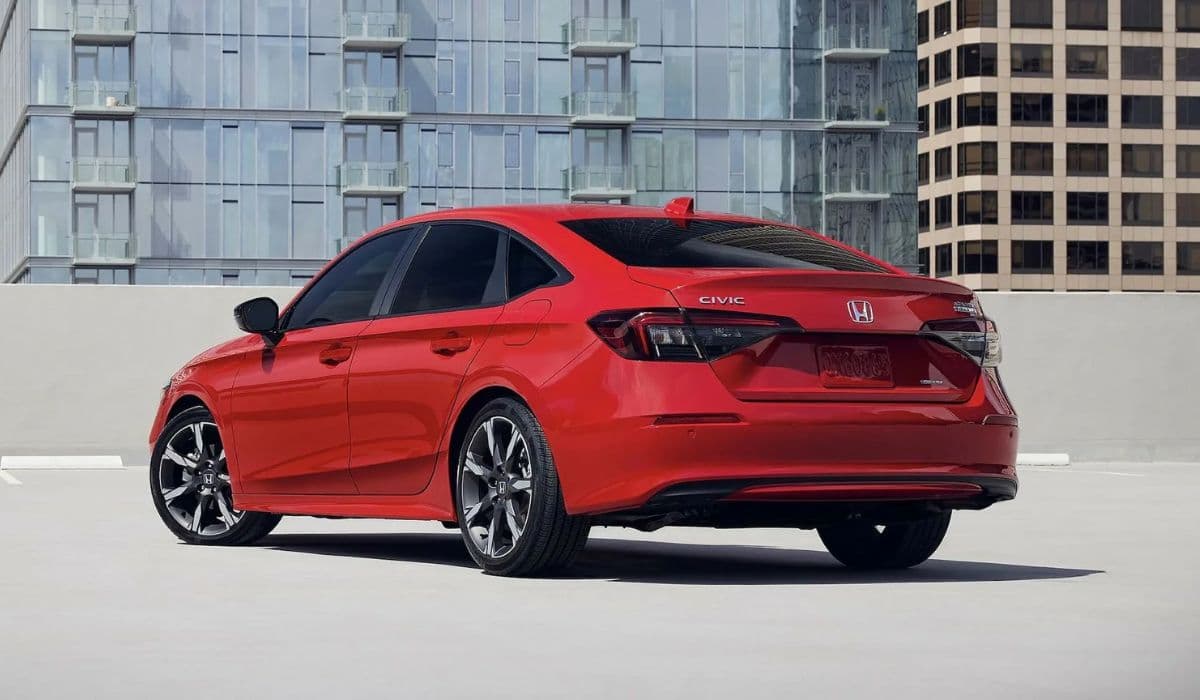
The Honda Civic has built a reputation over decades as one of the most dependable and economically sensible choices in the compact car segment. When people discuss “a car that just keeps going”, the Civic almost always appears in the top 3-5 candidates — and for very good reasons.
Why Civic Consistently Ranks Among the Most Reliable Compacts
Honda engineers have always prioritized mechanical simplicity combined with extremely high quality standards of component manufacturing. This philosophy directly translates into exceptional long-term reliability statistics.
Main factors creating Civic’s legendary durability:
Over-engineered internal combustion engines with generous safety margins
Conservative tuning that avoids pushing components to their absolute limits
Very high-quality manual and automatic transmissions
Thoughtful corrosion protection even in base trim levels
Exceptionally strong and torsionally rigid body structures
Conservative electronic architecture (fewer modules = fewer potential failure points)
Engines That Easily Reach 300,000–500,000+ km
Different generations of Civic engines demonstrate remarkable longevity when basic maintenance rules are followed.
Most notable long-living engine families:
D-series (especially D15, D16) – legendary for bulletproof bottom end
B-series (B16, B18) – high-performance variants that still often exceed 400,000 km
K-series (K20, K24) – modern reference for reliability among performance engines
R18 (1.8 i-VTEC) – one of the best mass-market naturally aspirated engines ever made
L-series (1.5L turbo) – surprisingly robust despite forced induction
The common pattern is simple: Honda typically designs engines with 30–50% strength reserve compared to the actual power they produce in stock form. This philosophy creates huge durability margin.
Transmissions — Another Strong Point
Honda transmissions have always enjoyed excellent reputation — both manuals and automatics.
Manual gearboxes:
Extremely precise and durable synchros
Very strong input shafts and differential (especially in performance versions)
Excellent longevity of clutch even under spirited driving (often 180–280k km)
Automatic transmissions:
Classic 4-speed (pre-2010s) — almost indestructible with regular fluid changes
5-speed automatic — very good reputation after early teething problems were solved
CVT (post-2015 models) — dramatically improved after 2018–2019 redesign
Suspension and Chassis Durability
Civic suspension is often described as “boringly reliable” — and that’s actually a huge compliment.
Typical service life expectancy (original components):
Front lower control arms — 180–280k km
Stabilizer links — 110–190k km
Rear trailing arm bushings — 160–260k km (multi-link versions)
Wheel bearings — 170–300k+ km (genuine Honda)
Shock absorbers — 140–220k km depending on road conditions
The combination of good original geometry preservation and relatively inexpensive replacement parts makes Civic suspension one of the most economical to maintain in the class.
Typical Expensive Repairs That… Rarely Happen on Civic
Many expensive repairs that terrorize owners of other compact cars are either very rare or significantly cheaper on Civic:
Timing belt engines → timing chain engines in most modern generations
Very expensive dual-mass flywheel → classic single-mass flywheel
Complex adaptive suspension systems → conventional, well-engineered setup
Electronic steering rack failures → hydraulic power steering in many generations
Frequent automatic transmission rebuilds → rare after proper maintenance
Electrical System — Minimalist and Reliable
Honda traditionally maintains a very conservative approach to electrics and electronics.
Typical electrical problems that are uncommon on Civic compared to competitors:
Random failures of body control modules
Instrument cluster dying
Complex infotainment system failures affecting drivability
Frequent parking sensor and camera malfunctions
Water ingress causing multiple simultaneous electronic failures
Cost of Ownership Comparison Reality
When you combine purchase price, fuel consumption, insurance costs, maintenance intervals and repair frequency, Civic consistently shows one of the lowest total cost of ownership figures in the compact class across 10+ years of operation.
Especially strong points:
Very good parts availability (both original and quality aftermarket)
Huge number of cars → mechanics have enormous experience with these vehicles
Many repair procedures are simple and don’t require special tools
Excellent DIY-friendliness for basic and intermediate maintenance
High residual value reducing depreciation component of ownership cost
Small but Important Details That Save Money Long-Term
Often overlooked advantages that cumulatively create substantial savings:
Oil filter placement — easy access, minimal oil spillage during changes
Very accessible air filter and cabin filter
Reasonable spark plug replacement difficulty
Brake pads that last 50–90k km even with average driving style
Brake rotors that rarely develop dangerous cracking
Exhaust systems that last significantly longer than average
Very good protection of underbody components from road salt damage
Honda Civic remains one of the strongest choices when long-term reliability and controlled cost of ownership are the primary criteria. The combination of conservative engineering, high build quality, excellent parts support and accumulated decades of real-world experience creates a package that is still very difficult to beat in the compact class — even in 2025–2026 reality.
More from Honda
Earth Dreams 1.5T Carbon Buildup Fix: Complete Guide to Solving Honda’s Direct Injection Problem
08.12.2025 11:49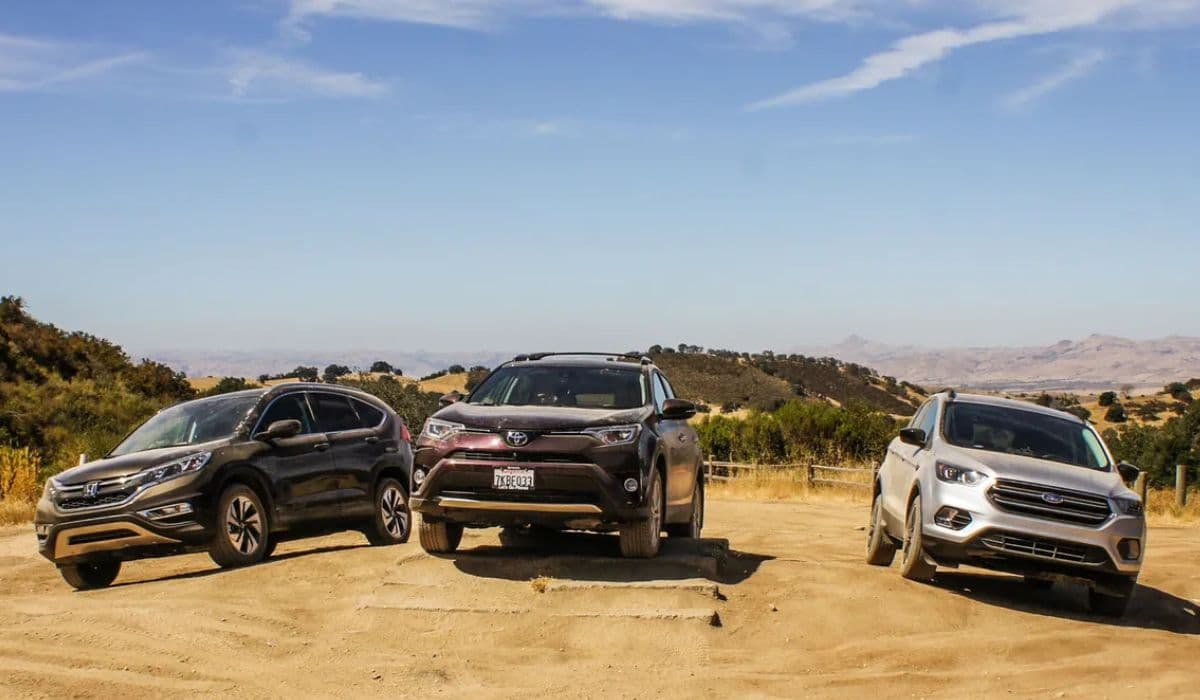
Best Used SUV Under $25,000: Honda CR-V vs Toyota RAV4 vs Ford Explorer
08.12.2025 15:32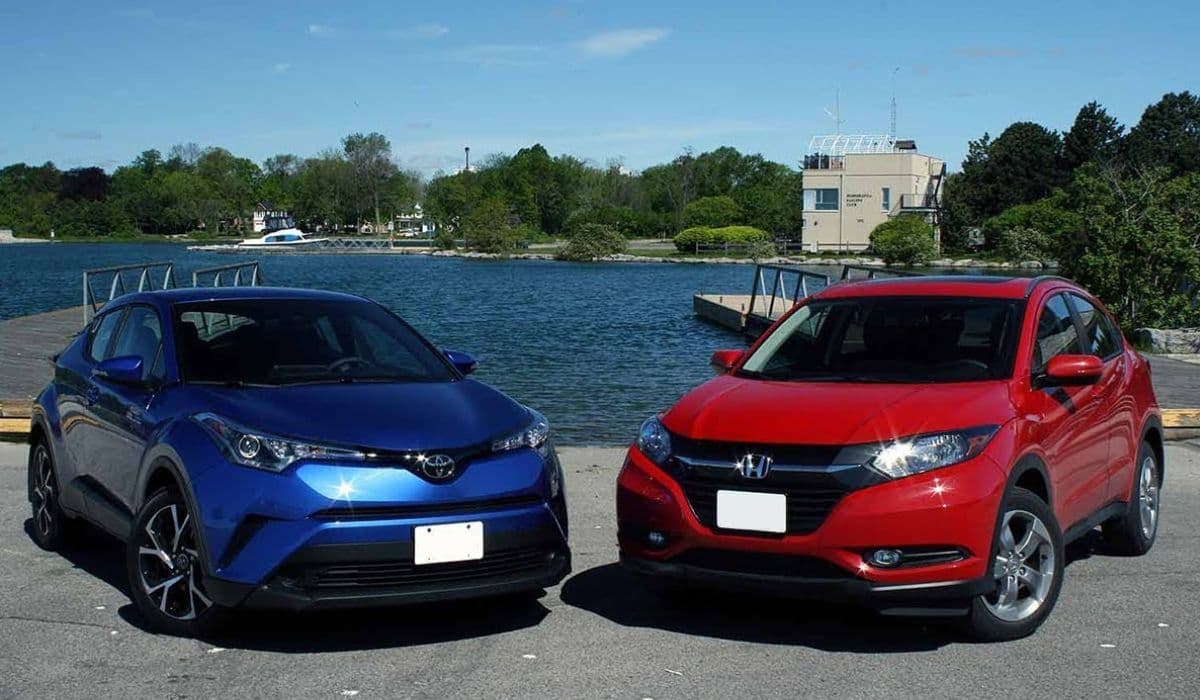
Honda 1.5T vs Toyota 2.0 Dynamic Force – Which is Better?
08.12.2025 15:17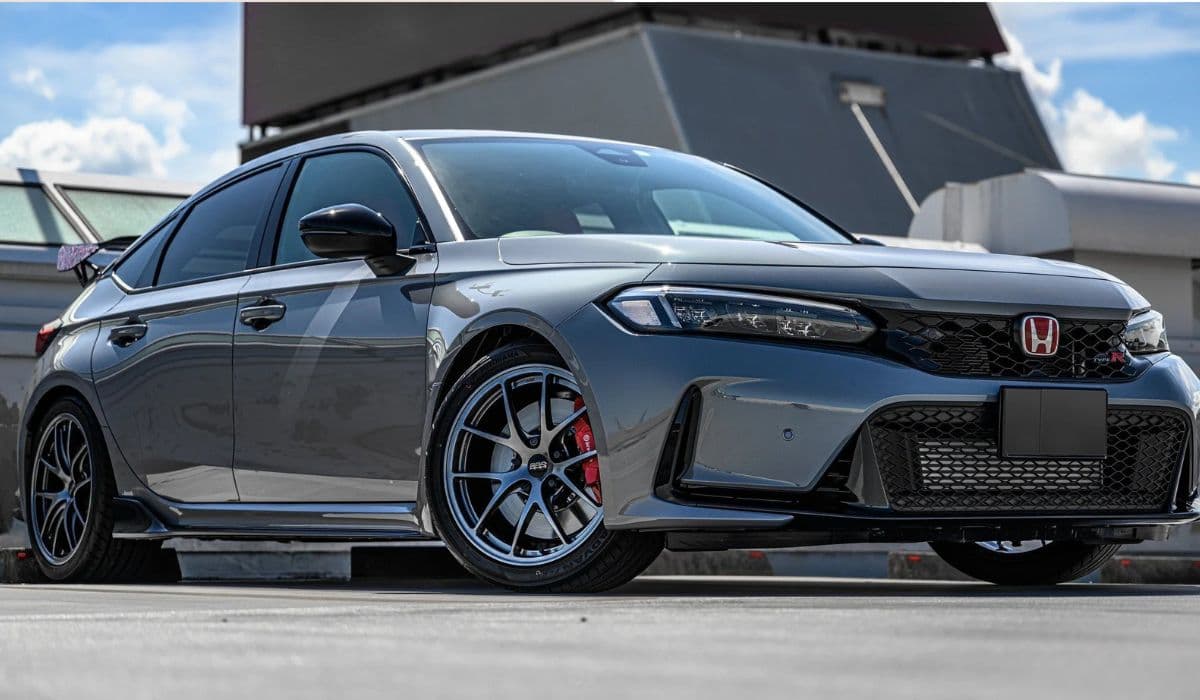
11th Gen Honda Civic Type R (FL5) Engine Changes: A Deep Dive into the Evolution of the K20C1
08.12.2025 08:08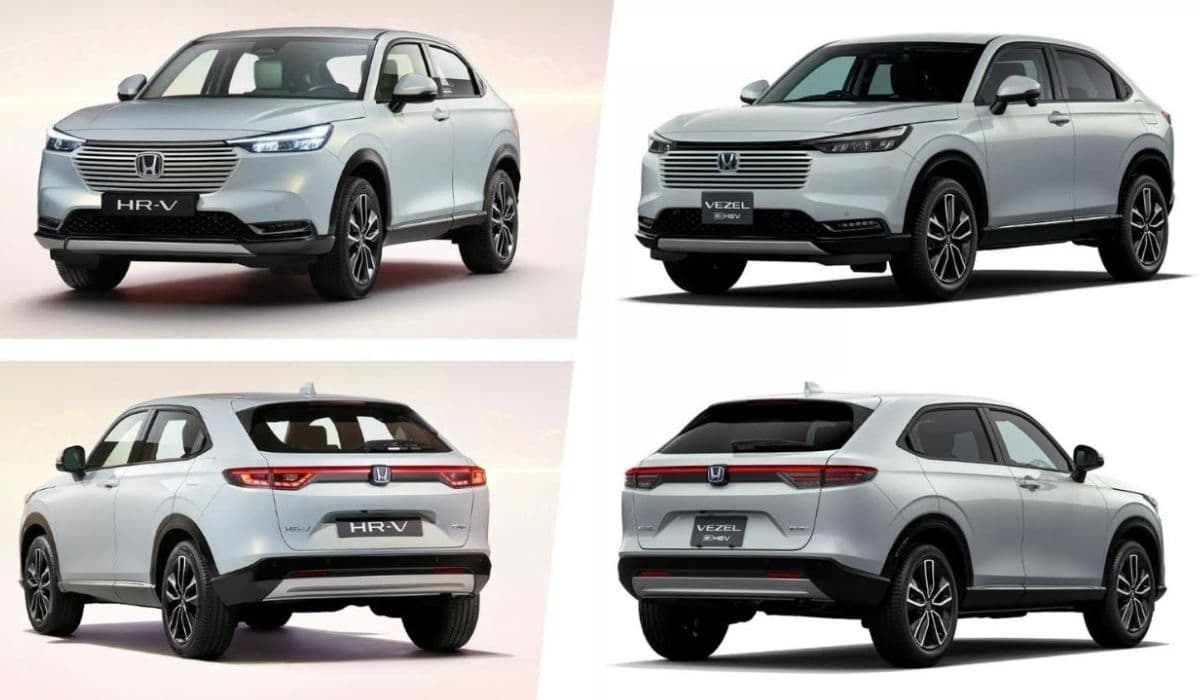
2023+ Honda HR-V vs Previous Generation: In-Depth Engine and Powertrain Comparison
08.12.2025 08:03