
Road noise levels in the cabin complaints Honda CR-V

The Honda CR-V enjoys widespread popularity as a reliable, practical, and versatile compact SUV. However, one recurring topic among owners stands out: road noise penetrating the cabin. Many drivers report that tire and road sounds become noticeably prominent, especially during highway cruising or on coarse pavement. This characteristic has sparked countless discussions in owner communities, with opinions ranging from mild annoyance to considering it a significant drawback.
While the CR-V delivers strong reliability, spacious interior, and efficient performance, cabin noise remains a polarizing aspect of the ownership experience.
Why Road Noise Stands Out in the CR-V
Several design and engineering factors contribute to elevated road noise perception in the Honda CR-V compared to some competitors.
Honda has historically prioritized lightweight construction, responsive handling, and cost efficiency — choices that sometimes result in less emphasis on extensive sound-deadening materials. The vehicle's relatively simple suspension design transmits more vibrations and sounds from the road surface directly into the cabin.
Coarse asphalt, concrete highways, or grooved pavement tend to amplify this effect, creating a persistent hum or roar that many owners describe as intrusive during long drives.
The Critical Role of Tires in Cabin Noise
Tire choice emerges as the single biggest variable affecting road noise levels in the CR-V.
Factory-equipped tires often feature more aggressive tread patterns optimized for durability and all-season performance rather than acoustic comfort. These tires frequently generate higher levels of tread roar, especially as they wear.
Owners who replace stock tires with premium touring-oriented models (known for softer compounds and quieter tread designs) frequently report a dramatic reduction in cabin noise
Popular aftermarket options often transform the driving experience, making highway conversation easier and music listening more enjoyable
Tire wear patterns, such as cupping or uneven shoulder degradation, can dramatically increase noise over time — even on relatively new sets
Many long-term owners emphasize that upgrading tires delivers the highest return on investment for noise reduction.
Evolution of Noise Control Across Generations
Honda has made noticeable efforts to address cabin noise in newer CR-V iterations.
Later models introduced Active Noise Cancellation (ANC) technology, which uses the audio system to generate counteracting sound waves that reduce low-frequency drone. Additional insulation in strategic areas, improved door seals, and in some higher trims acoustic glass have helped lower overall sound levels.
Reviews of recent generations frequently note measurable improvements, with highway cruising noise dropping several decibels compared to older versions
Higher trims often receive extra attention to NVH (Noise, Vibration, Harshness), including thicker glass and targeted insulation layers
Despite these advancements, some owners still perceive the cabin as louder than certain rivals, particularly on imperfect road surfaces
The progress is evident, yet individual sensitivity to noise varies widely.
Real Owner Experiences and Common Sensitivities
Feedback from CR-V drivers reveals a spectrum of opinions:
Some describe the cabin as "unbearably loud" on extended highway trips, making phone calls difficult without raising voices
Others find the noise level perfectly acceptable, especially after switching to quieter tires or when comparing against older vehicles
Sensitivity often depends on previous ownership — drivers stepping out of quieter sedans or premium crossovers tend to notice the difference more acutely
A frequent comment highlights that road noise becomes most apparent above certain speeds or on specific pavement types, while city driving remains relatively serene
This subjectivity explains why the same vehicle can feel peaceful to one driver and fatiguing to another.
Practical Ways to Reduce Cabin Road Noise
Fortunately, owners have several accessible options to improve the acoustic environment without major structural changes.
Tire upgrade — Switching to well-regarded quiet all-season tires consistently ranks as the most effective and cost-efficient solution
Aftermarket sound deadening — Applying materials to doors, floor, and wheel wells can noticeably dampen vibrations (professional installation recommended for best results)
Seal inspection — Checking and replacing worn weatherstripping around doors and windows helps minimize unwanted air turbulence
Wheel resonance solutions — Certain higher trims feature specially designed wheels that reduce harmonic frequencies
Many owners who implement a combination of these modifications report a much more refined and relaxing cabin environment.
The discussion around road noise in the Honda CR-V highlights an interesting trade-off: exceptional reliability and driving dynamics sometimes come with a more connected feel to the road — including its sounds. For many drivers, the advantages far outweigh this characteristic, while others seek solutions to make their daily drives more tranquil.
More from Honda
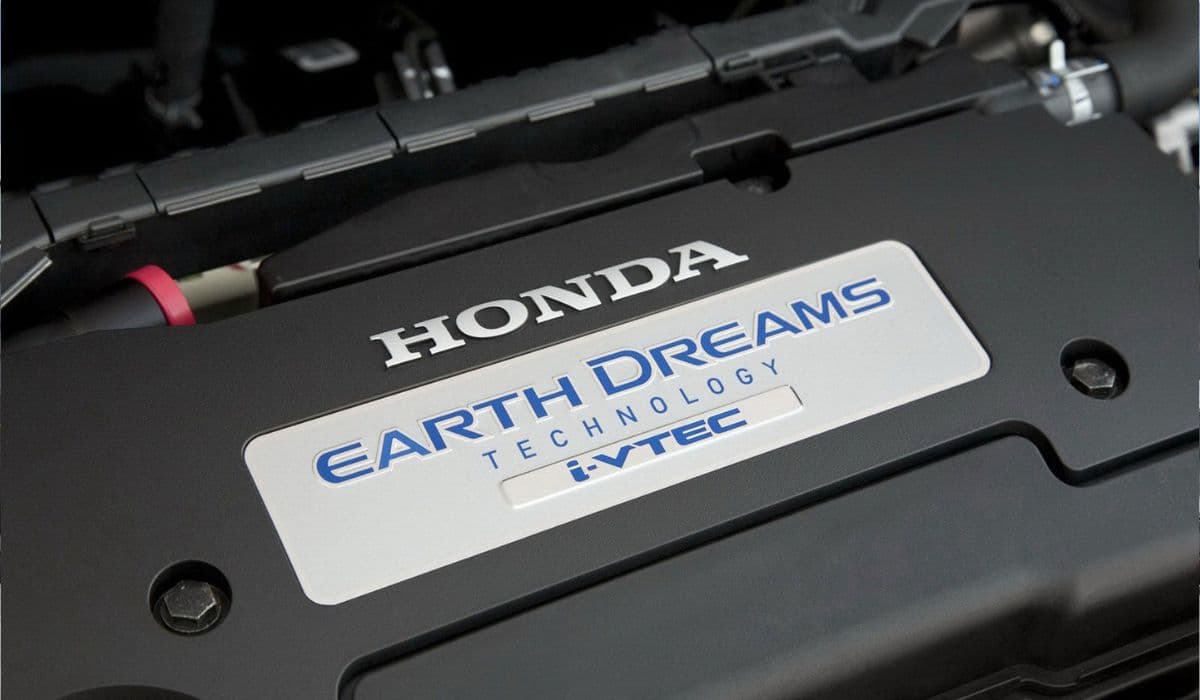
Earth Dreams 1.5T Carbon Buildup Fix: Complete Guide to Solving Honda’s Direct Injection Problem
08.12.2025 11:49
Best Used SUV Under $25,000: Honda CR-V vs Toyota RAV4 vs Ford Explorer
08.12.2025 15:32
Honda 1.5T vs Toyota 2.0 Dynamic Force – Which is Better?
08.12.2025 15:17
11th Gen Honda Civic Type R (FL5) Engine Changes: A Deep Dive into the Evolution of the K20C1
08.12.2025 08:08
2023+ Honda HR-V vs Previous Generation: In-Depth Engine and Powertrain Comparison
08.12.2025 08:03