Subaru Ascent family hauler praise but fuel economy and third-row discomfort
The Subaru Ascent has carved out a loyal following among families seeking a three-row SUV that refuses to compromise on all-weather capability and practical space. Its standard symmetrical all-wheel drive, generous second-row accommodations, and strong safety credentials make it feel like a natural choice for parents who want confidence when the weather turns nasty or when the family road trip stretches longer than planned.
Subaru engineered the Ascent around the idea that real family life happens in rain, snow, mud, and gravel roads—not just on perfect pavement. The torque-vectoring AWD system works seamlessly with Vehicle Dynamics Control to keep the vehicle planted, even when accelerating out of slippery corners or climbing steep, wet driveways. This level of grip gives drivers a rare sense of calm that front-drive-based competitors struggle to replicate.
Spacious and Thoughtful Second-Row Design
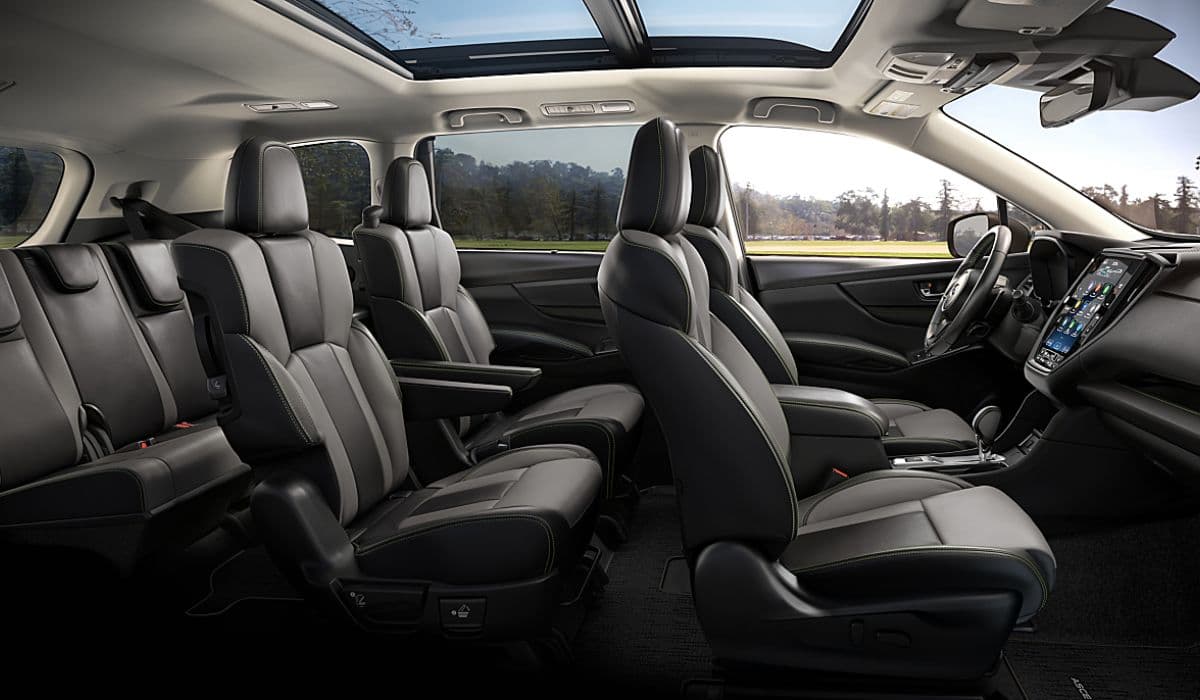
One of the Ascent’s strongest attributes is the second row, which genuinely feels designed for adults rather than as an afterthought.
Ample legroom and headroom accommodate taller passengers comfortably even on long drives
Seats slide fore and aft over a wide range, letting you prioritize either third-row access or maximum cargo space
Reclining function adds welcome comfort during highway cruising
Easy one-touch tumble mechanism makes third-row entry far less awkward than in many rivals
Dedicated rear climate vents, USB ports, and available window shades keep kids happy and reduce arguments
These details add up to an interior that feels genuinely family-friendly rather than merely family-sized.
Safety and Driver-Assist Features That Matter
Subaru’s EyeSight suite comes standard and includes adaptive cruise control with stop-and-go functionality, pre-collision braking with pedestrian and cyclist detection, lane-keep assist, and lead-vehicle start alert. The system works smoothly in everyday traffic and genuinely reduces driver fatigue on long trips.
High-strength steel reinforcements, eight airbags, and consistently strong crash-test results reinforce the Ascent’s reputation as one of the safer choices in the segment. Rear-seat reminder alerts and LATCH anchors in multiple positions make it easier to secure child seats correctly.
Cargo Versatility for Real Life
The Ascent handles the messy reality of family hauling with impressive flexibility.
Behind the third row sits enough space for a double stroller, several grocery bags, and school backpacks
Folding the third row creates a nearly flat load floor that swallows hockey gear, bikes, or large suitcases
Maximum cargo capacity with both rear rows folded accommodates furniture, moving boxes, or weekend camping equipment
Roof rails support crossbars for kayaks, skis, or cargo boxes, while the available tow package handles small trailers or jet skis
This level of practicality keeps the Ascent useful long after the kids outgrow booster seats.
Fuel Economy: The Most Noticeable Compromise
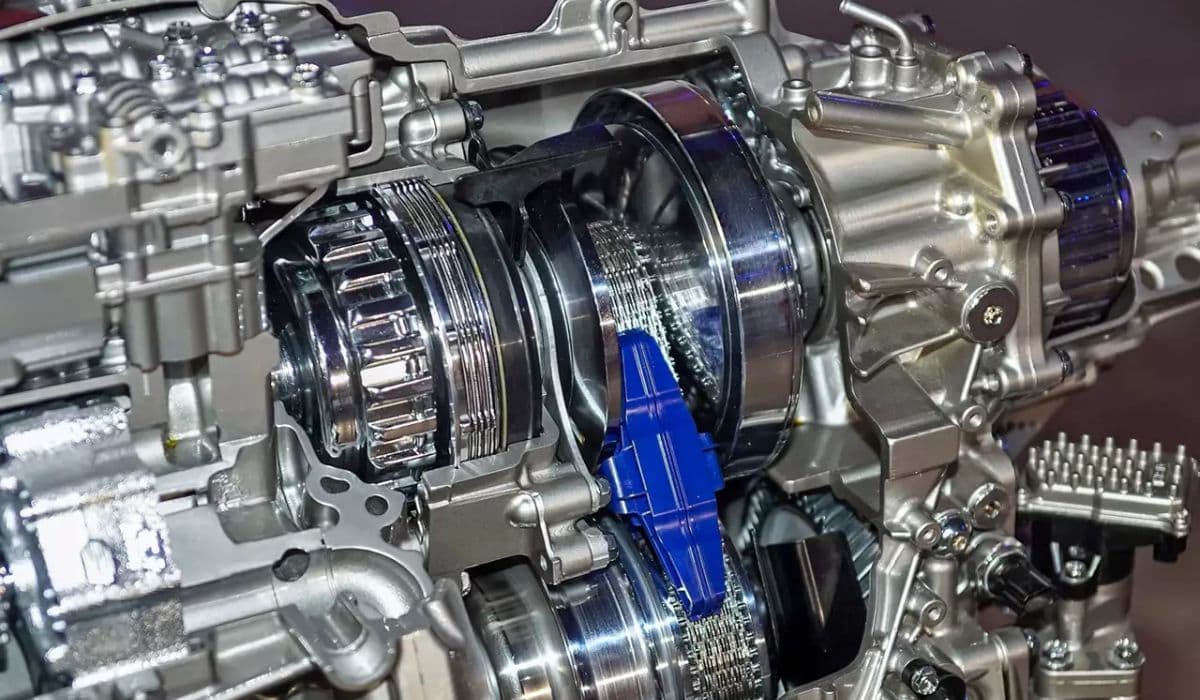
The Ascent’s 2.4-liter turbocharged boxer-four delivers strong low-end torque and confident highway passing power, but efficiency takes a clear step back.
Real-world numbers typically land in these ranges depending on conditions:
Urban stop-and-go driving: 17–19 mpg
Steady highway cruising at moderate speeds: 24–26 mpg
Mixed family use with occasional heavy loads: 20–22 mpg
Mountain roads, cold weather, or aggressive driving: frequently 16–18 mpg
Several design choices contribute to the thirstier character:
The boxer engine layout prioritizes balance and handling over peak thermal efficiency
Standard all-wheel drive adds mechanical drag and extra weight
The taller ride height and boxier shape increase aerodynamic resistance
The CVT, while smooth in normal use, tends to hold higher revs under load compared to traditional automatics
Families logging heavy highway miles or living in areas with high fuel costs notice the difference most acutely. Careful driving habits—maintaining steady speeds, minimizing roof cargo, and avoiding short cold starts—can nudge combined economy closer to the higher end of the range, but dramatic gains remain elusive.
Third-Row Comfort: Functional but Not Luxurious
The Ascent provides usable third-row space for occasional duty, yet it falls noticeably short of class leaders when adults or taller teenagers occupy those seats for extended periods.
Common discomfort points include:
Short seat cushion length that leaves longer legs dangling without proper thigh support
Marginal knee clearance when the second row sits in its rearward position for adult comfort
Upright seatback angle that becomes fatiguing after about 45 minutes
High floor and intruding wheel wells that restrict foot placement
Adequate but not generous headroom for anyone approaching or exceeding six feet tall
Children, smaller teenagers, and shorter adults usually find the space acceptable, especially with the slight recline function and good airflow from rear vents. For families who regularly carry seven or eight people—including grown-ups in every row—the third row often becomes the “kids only” zone or is reserved for short errands.
Practical strategies to improve usability include sliding the second row slightly forward when third-row passengers are present, adding portable seat cushions for better thigh support, and planning routes with more frequent stops on longer journeys.
Balanced Driving Experience
On the move, the Ascent feels composed and secure. Steering offers decent weight and feedback for the class, while body motions remain well controlled over expansion joints and uneven pavement. Wind and tire noise stay reasonably subdued, making highway conversation easy even at cruising speeds.
The powertrain provides ample pull for merging and climbing grades, even with a full load of passengers and cargo. Brake pedal feel is confident and progressive, an often-overlooked quality that builds trust during emergency stops.
Who Should Choose the Ascent?
The Ascent continues to appeal strongly to families who place all-weather traction, second-row comfort, safety, and cargo versatility at the top of their priority list. Those who live in regions with frequent snow, rain, or unpaved roads often find the Subaru’s capability worth the efficiency trade-off.
Buyers who mainly drive short urban trips, rarely fill every seat, or prioritize maximum fuel savings may find other options more suitable. For everyone else, the Ascent delivers a well-rounded package that feels honest and purpose-built for the realities of family life.
More from Subaru
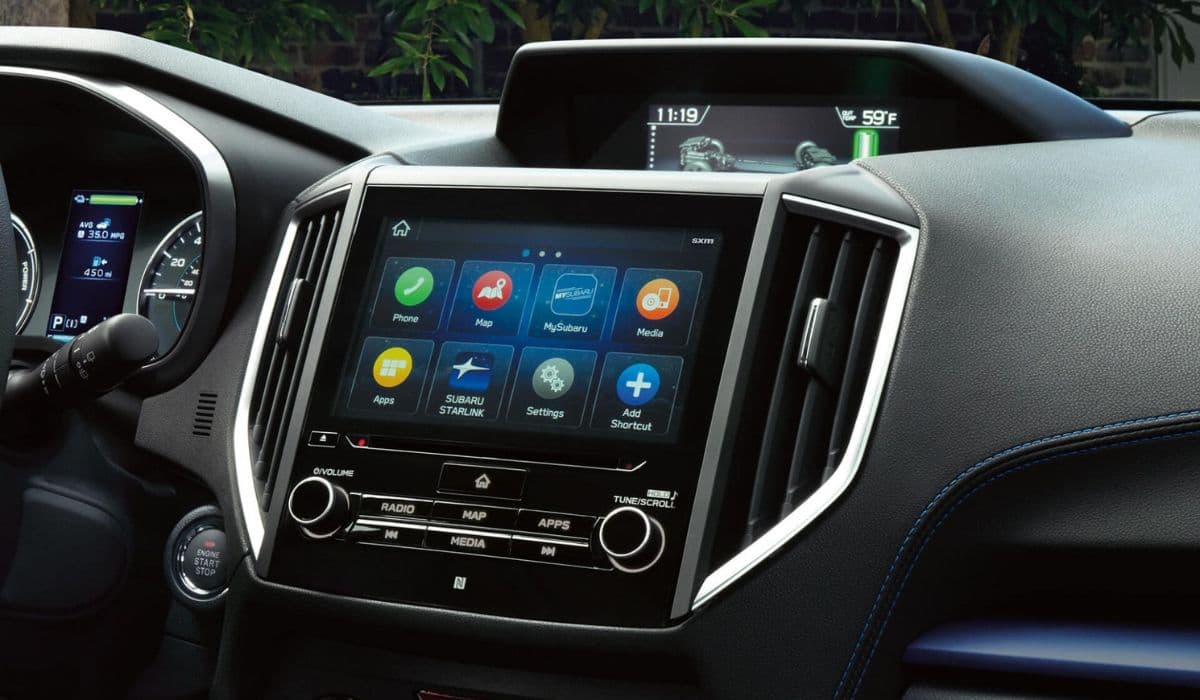
Subaru SiriusXM aggressive ads covering screen irritating
22.01.2026 15:12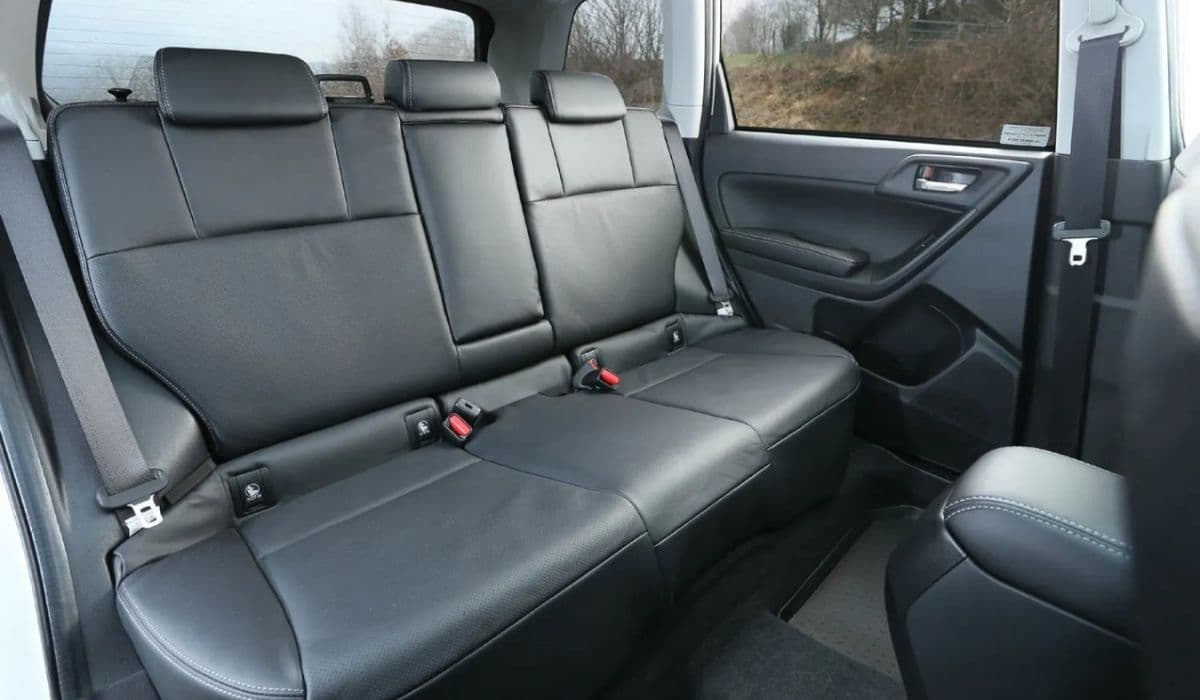
Subaru rear seat recline removal in newer models drawback
22.01.2026 10:06
Subaru vs competitors low maintenance costs win
22.01.2026 08:00
Subaru owner satisfaction high due to safety and AWD
21.01.2026 16:55
Subaru brake sensitivity and potential issues noted
21.01.2026 16:17