Subaru rear seat recline removal in newer models drawback
Subaru has long built a reputation for practical, family-friendly vehicles with versatile interiors. Models like the Outback, Forester, and Crosstrek emphasize cargo flexibility, all-wheel drive capability, and durable design. However, one subtle yet significant change in recent generations stands out: the simplification or outright removal of rear seat recline functionality in many trims. What was once a standard comfort feature has become limited or absent, creating a real drawback for passengers on longer journeys.
This shift affects how rear occupants experience the cabin, especially during extended drives or when carrying adults in the back. While the change aligns with certain engineering priorities, it leaves many owners wishing for the adjustable backrest angle that older Subarus provided.
Why Rear Seat Recline Matters in Everyday Use
Rear seat recline might seem minor compared to features like infotainment screens or advanced safety systems. In practice, it dramatically improves comfort during travel.
Passengers can lean back slightly to reduce pressure on the lower back and thighs, easing fatigue on highway trips.
It helps taller adults avoid feeling cramped, as a more upright fixed position forces the head closer to the roofline or knees nearer to the front seats.
For families with children or elderly relatives, even a few degrees of adjustment make car rides far less tiring.
On multi-hour commutes or road trips, the ability to shift posture prevents stiffness and improves overall satisfaction with the vehicle's interior.
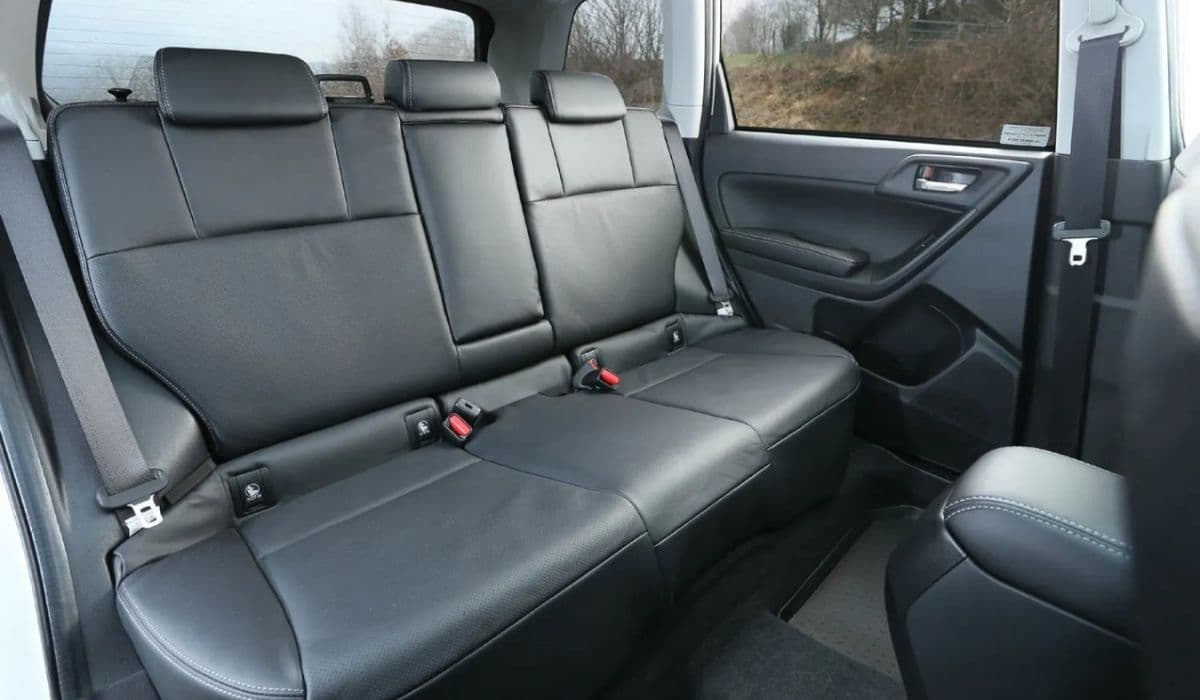
Without this adjustability, rear passengers often describe the seating as overly upright, almost chair-like, leading to complaints about discomfort after just 30-60 minutes.
The Evolution of Rear Seating in Subaru Lineups
Older Subaru models frequently included rear seat recline as a standard or easily accessible feature. Owners pulled a strap or lever near the seat base or side bolster to unlock several notches of adjustment. This allowed customization for different body types and trip lengths.
In newer designs, Subaru streamlined the rear seat mechanism in many configurations. Some base and mid-level trims now feature fixed upright backrests with only forward-folding capability for cargo expansion. Higher trims sometimes retain limited recline via hidden straps or alternative latches, but the range is narrower than before, often just a couple of inches at most.
This change appears tied to priorities like weight reduction, simplified manufacturing, improved structural rigidity for crash safety, and cost management across trim levels. By standardizing seat frames, Subaru can focus resources on other areas such as upgraded suspension tuning or enhanced driver-assist technologies.
Key Drawbacks for Rear Seat Occupants
The absence or restriction of recline creates several practical issues that owners frequently highlight.
Increased fatigue on long drives — Fixed upright posture leads to quicker onset of back strain, especially for adults over average height. Many report needing frequent stops to stretch.
Reduced versatility for different passengers — Short trips feel fine, but multi-hour journeys highlight the limitation. Families notice children slouching or adults shifting constantly to find relief.
Impact on perceived cabin quality — In a vehicle marketed for adventure and family use, lacking this basic adjustment feels like a step backward in passenger-centric design.
Challenges with child seat installations — Some rear-facing or forward-facing car seats benefit from a slight recline for proper angle and stability; a fixed position can complicate achieving a secure, level fit.
Lower overall satisfaction in reviews — Enthusiast forums and owner discussions often mention this as a surprise negative when comparing newer models to previous ones or competitors.
These drawbacks become more pronounced in models where rear legroom and headroom remain competitive, yet the seating angle stays locked in a more vertical orientation.
How It Affects Real-World Scenarios
Imagine a weekend road trip with friends or family. The driver enjoys supportive front seats and modern tech, but rear passengers feel every mile due to the rigid backrest. A parent on a school run might not notice much, yet the same seats become burdensome during a cross-country adventure.
For outdoor enthusiasts who use the vehicle for camping or gear hauling, folding seats remain excellent for flat cargo areas. However, when carrying people instead of equipment, the lack of recline diminishes the "all-around usability" that Subaru promotes.
Even in daily commuting, the difference shows up. A colleague sharing a ride might comment on feeling more fatigued than in vehicles with adjustable rear seating. Over time, this small omission contributes to a sense that the cabin prioritizes utility over all-day comfort.
Comparing Expectations Across Segments
Many compact SUVs and crossovers in the same class still offer rear recline as standard or on most trims. Competitors often provide at least a modest adjustment range, recognizing its value for family buyers and long-distance drivers.
Subaru's approach emphasizes rugged capability and efficient packaging, but it creates a noticeable gap in passenger experience compared to rivals. Owners upgrading from older Subarus or switching brands frequently cite this as an unexpected disappointment.
Potential Workarounds and Owner Adaptations
Some resourceful owners explore minor tweaks to improve comfort without major modifications.
Adding aftermarket cushions or lumbar supports to create a pseudo-recline effect.
Using portable seat angle adjusters designed for car camping or posture correction.
Positioning pillows strategically behind the lower back to simulate a tilted posture.
These solutions help mitigate discomfort but fall short of a true factory adjustment. They also introduce extra items that clutter the cabin or require setup each time.
Final Thoughts on This Design Choice
Subaru continues delivering capable, reliable vehicles with strong safety credentials and versatile interiors. The decision to simplify or remove rear seat recline in many newer models reflects engineering trade-offs favoring other strengths. Still, for passengers who spend significant time in the back, this change represents a tangible reduction in comfort that affects the overall ownership experience.
Drivers considering a Subaru should test the rear seats thoroughly during a demo drive, especially if rear occupants will frequently include adults or long trips are common. Awareness of this drawback helps set realistic expectations for what remains one of the most practical lineups on the market.
More from Subaru
Subaru SiriusXM aggressive ads covering screen irritating
22.01.2026 15:12
Subaru vs competitors low maintenance costs win
22.01.2026 08:00
Subaru owner satisfaction high due to safety and AWD
21.01.2026 16:55
Subaru brake sensitivity and potential issues noted
21.01.2026 16:17
Subaru CVT judder and potential long-term failures
21.01.2026 14:52