Subaru vs competitors low maintenance costs win
When buyers compare vehicles in the compact SUV, midsize crossover, or wagon segments, maintenance expenses often tip the scales. Subaru stands out by delivering capable performance without inflating long-term upkeep burdens compared to many rivals. The brand's engineering choices create a compelling case for ownership that balances capability, durability, and reasonable service demands.
The Engineering Foundations Behind Subaru's Maintenance Advantage
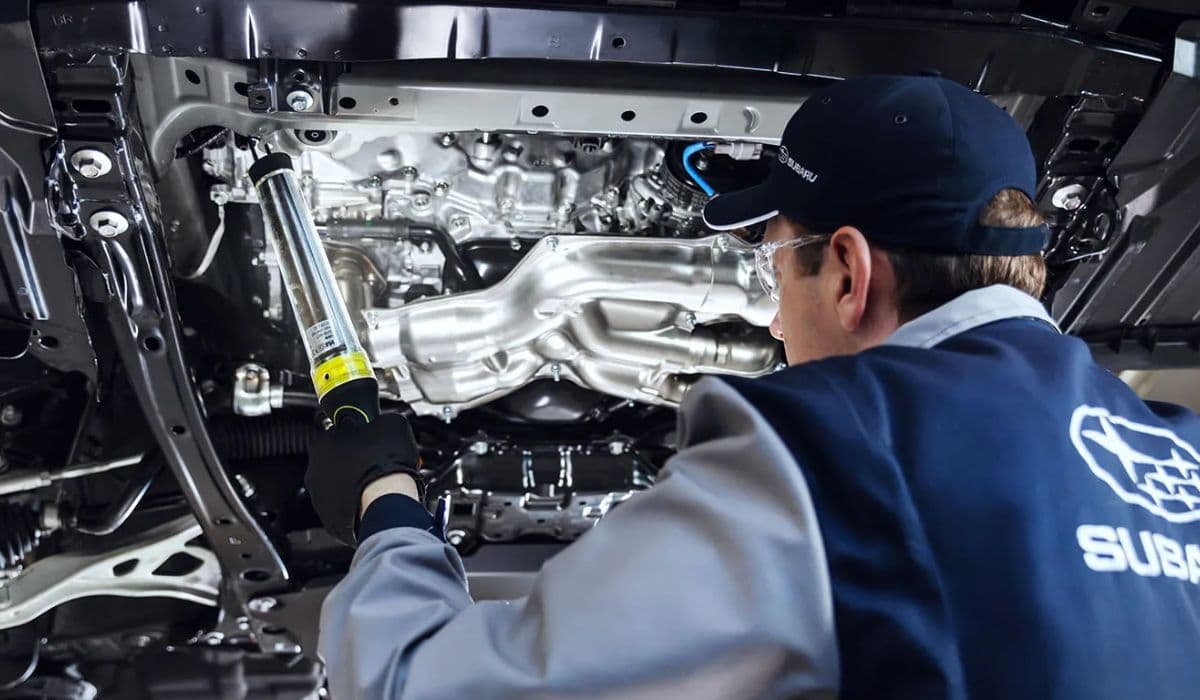
Subaru's signature horizontally opposed boxer engine forms the core of its low-maintenance philosophy. Pistons move outward in opposition, creating natural balance that minimizes vibrations and reduces stress on bearings, crankshafts, and mounts. This design promotes smoother operation over high mileage, leading to fewer premature component failures.
The symmetrical all-wheel drive system integrates seamlessly from the factory. Unlike competitors that add AWD as a complex retrofit, Subaru's setup distributes power evenly with minimal additional parts prone to wear. Fewer joints and simpler driveline routing translate to less frequent service interventions on differentials and transfer cases.
These elements combine to lower strain across the powertrain. Owners experience predictable wear patterns, making budgeting for routine care straightforward and avoiding surprise expenses that plague vehicles with more layered systems.
How Subaru Stacks Up Against Key Japanese Competitors
Japanese brands dominate discussions about dependable, economical ownership. Here's how Subaru compares in practical terms:
Against Toyota — Toyota prioritizes simplicity with straightforward front-wheel-drive layouts and refined inline engines. While Toyota often edges out in sheer minimalism for basic service, Subaru counters with superior traction that prevents accelerated wear in challenging conditions. The boxer layout aids even cooling and oil distribution, contributing to extended intervals between deep services in real-world driving.
Against Honda — Honda excels at efficient, lightweight designs with low-friction components. Subaru matches this reliability ethos but adds standard AWD capability without significantly compromising service accessibility. Many owners report comparable brake and suspension longevity, with Subaru's balanced weight distribution reducing uneven tire wear—a frequent cost driver for front-biased competitors.
Against Mazda — Mazda focuses on driver engagement through precise handling and Skyactiv technology. Subaru shares a similar emphasis on balanced dynamics, but its boxer engine and symmetrical driveline often result in smoother high-mileage performance. Routine items like spark plugs and filters follow similar schedules, yet Subaru's inherent stability cuts down on alignment adjustments over time.
Subaru frequently achieves strong longevity benchmarks, with many vehicles surpassing substantial mileage thresholds through consistent care. The design reduces cumulative stress, helping avoid the cascading repairs sometimes seen in brands relying on turbo-heavy or overly complex setups.
Real-World Factors That Keep Subaru Ownership Costs Manageable
Several practical aspects reinforce Subaru's position:
Tire longevity through balanced weight — The low center of gravity from the boxer engine improves handling stability, promoting even tread wear across all four tires rather than accelerated front-end depletion common in FWD or part-time AWD vehicles.
Predictable service intervals — Fluid changes, filter replacements, and inspections follow logical patterns tied to mileage and driving conditions. The accessible layout for many routine tasks allows independent shops or DIY enthusiasts to handle basic work efficiently.
Fewer electronic gremlins in core systems — While modern safety features appear across brands, Subaru integrates driver aids without overloading the vehicle with excessive modules that demand specialized diagnostics.
Resilience in adverse conditions — Standard AWD shines in rain, snow, or gravel, preventing the accelerated component fatigue that occurs when lesser-equipped vehicles struggle for grip.
These traits compound over ownership, turning potential weaknesses into strengths. Drivers in variable climates particularly appreciate how Subaru's setup avoids the extra wear that forces competitors into premature suspension or driveline attention.
Addressing Common Perceptions About Subaru Service
Some discussions highlight slightly elevated routine costs tied to the boxer engine's layout or standard AWD. Spark plug access requires more steps than inline designs, and symmetrical drivelines involve additional fluid points. However, these differences rarely outweigh the benefits in total cost of ownership.
The boxer configuration actually simplifies certain repairs by allowing the engine to drop downward more easily in major service scenarios. Symmetrical AWD experiences even loading, reducing the likelihood of one-sided failures that demand frequent fixes in asymmetrical systems.
Owners who maintain fluids diligently and address minor issues promptly find Subaru vehicles deliver exceptional value. High-mileage examples demonstrate that proactive care yields impressive durability without excessive intervention.
Why Subaru's Approach Wins for Value-Conscious Buyers
Subaru prioritizes capability without unnecessary complexity. The result is a vehicle that performs reliably across diverse scenarios while keeping cumulative maintenance demands in check. Compared to brands that trade off weather readiness for marginal service savings—or those that layer on features inviting more failure points—Subaru strikes an effective balance.
The combination of balanced engineering, integrated systems, and proven longevity positions Subaru favorably against mainstream alternatives. Buyers seeking versatile transportation with controlled upkeep find the brand delivers where it matters most: consistent performance mile after mile.
More from Subaru
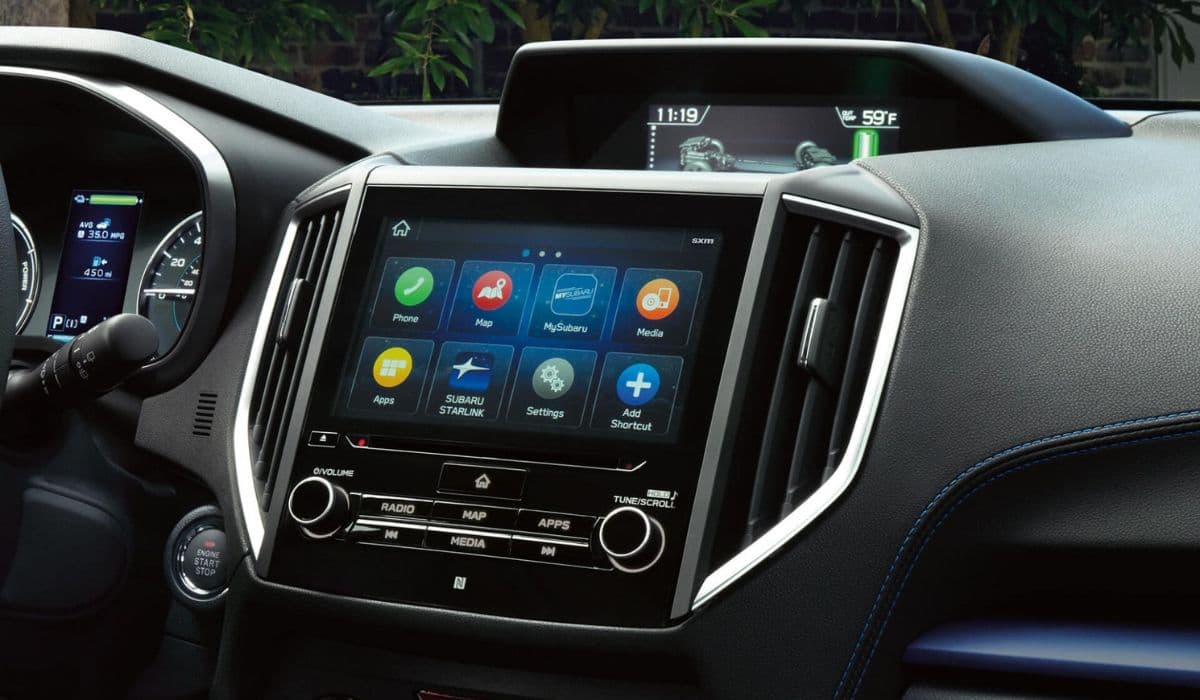
Subaru SiriusXM aggressive ads covering screen irritating
22.01.2026 15:12
Subaru rear seat recline removal in newer models drawback
22.01.2026 10:06
Subaru owner satisfaction high due to safety and AWD
21.01.2026 16:55
Subaru brake sensitivity and potential issues noted
21.01.2026 16:17
Subaru CVT judder and potential long-term failures
21.01.2026 14:52