Subaru SiriusXM aggressive ads covering screen irritating
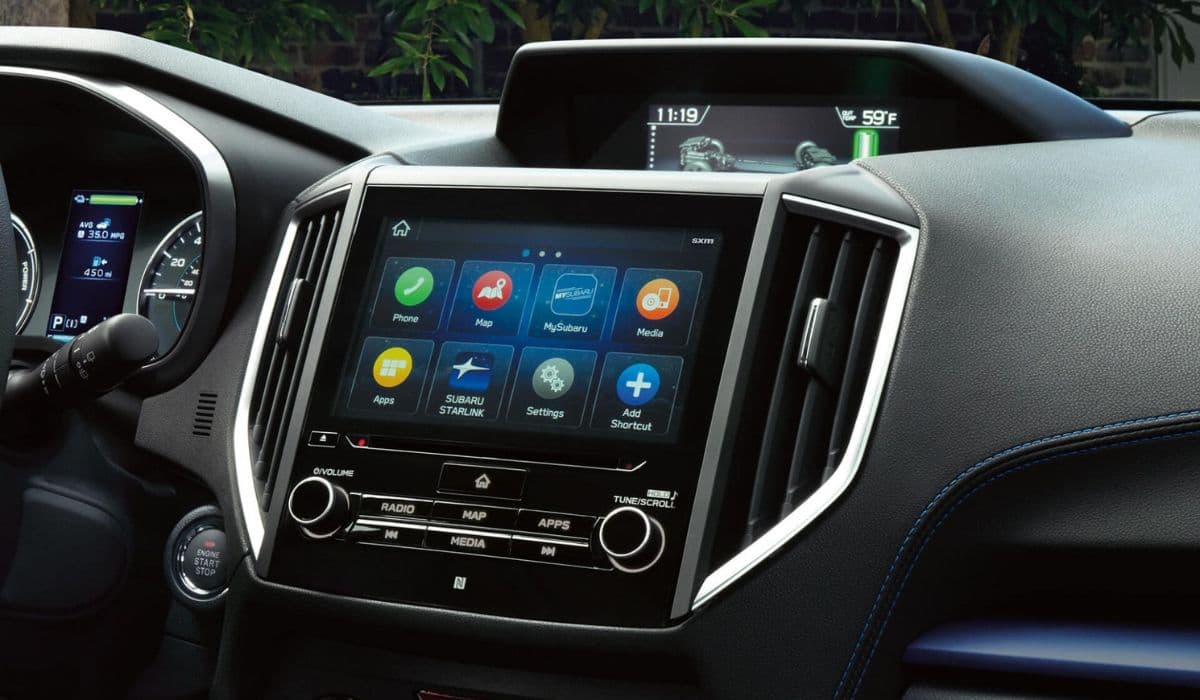
Modern Subaru vehicles come equipped with large, high-resolution infotainment displays that integrate navigation, climate controls, media playback, and smartphone mirroring through Apple CarPlay or Android Auto. These screens enhance the driving experience by centralizing vehicle functions into one intuitive interface. However, a growing number of owners report a major disruption: full-screen promotional messages from SiriusXM that appear unexpectedly, often while the vehicle is in motion.
These ads typically promote limited-time free access to SiriusXM channels, featuring bold headlines like trial offers and prominent buttons to "Listen Now" or dismiss the message. The issue arises because the promotion frequently overrides whatever is currently displayed, forcing drivers to divert attention from the road to interact with the screen.
Why These Ads Feel So Intrusive
The core complaint centers on the sheer dominance of the ad. Instead of a small banner or subtle notification in the corner, the message expands to cover the entire display. This design choice eliminates access to underlying functions until the ad is manually closed—usually via a small "X" icon that can be tricky to locate quickly.
Critical controls like air conditioning adjustments become temporarily inaccessible.
Navigation routes vanish right when a turn is approaching.
Smartphone integration through CarPlay or Android Auto gets interrupted, sometimes mid-turn-by-turn guidance.
Owners describe moments of sudden confusion as the familiar interface disappears, replaced by marketing content they never requested. The timing exacerbates the problem: promotions often coincide with holidays or seasonal periods, catching drivers during long trips or adverse weather when focus is essential.
Safety Concerns Raised by Real Drivers
Driving demands constant visual attention to the road, mirrors, and surroundings. Any unexpected change to the primary display introduces risk, particularly at highway speeds or in challenging conditions.
Numerous reports highlight near-miss incidents tied directly to these interruptions. One driver noted swerving on a slippery road after the ad appeared during winter travel at moderate speed, narrowly avoiding a ditch. Another described losing sight of an upcoming exit while navigating an unfamiliar area, all because the map was obscured at a critical moment.
Even when no immediate danger occurs, the forced interaction—reaching to tap the screen while maintaining lane position—contradicts basic safety principles. Many modern vehicles restrict non-essential touchscreen use while moving to prevent exactly this type of distraction, making the override feel particularly out of place.
The Broader Trend of In-Vehicle Marketing
Subaru is far from alone in this practice. The automotive industry has increasingly experimented with monetizing connected features, turning dashboards into potential revenue streams. Satellite radio providers like SiriusXM partner with manufacturers to integrate their services, often including promotional access as part of the deal.
In Subaru's case, the infotainment system leverages connectivity (similar to Starlink features) to deliver these messages. While the company positions them as occasional reminders—typically limited to a couple of instances annually—owners argue the delivery method crosses a line. The full-screen takeover prioritizes promotion over usability, especially when many drivers have no interest in satellite radio or have already opted out of related services.
This mirrors frustrations seen across brands, where in-car screens shift from tools to advertising platforms. The result is a growing sense that vehicle ownership now includes unsolicited commercial interruptions, eroding the premium feel of advanced technology.
Potential Workarounds and Owner Strategies
Frustrated Subaru drivers have explored several approaches to minimize or eliminate these interruptions.
Some create a SiriusXM account solely to access privacy settings and disable in-vehicle messaging (often labeled as IVM preferences).
Others contact customer support through official channels to request removal from promotional lists.
A few advocate reporting the issue as a distraction concern to relevant safety authorities, hoping collective feedback prompts change.
While these steps can reduce frequency for some, they require proactive effort from owners who feel they shouldn't need to manage marketing in a paid vehicle. Simple dismissal works in the moment, but doesn't address the root intrusion.
What This Means for the Future of Car Interfaces
As infotainment systems grow larger and more capable, the temptation to use them for targeted promotions will only increase. Subaru owners value reliability, safety, and a distraction-free cabin—qualities the brand has long emphasized. Aggressive ads undermine that trust, sparking discussions about whether manufacturers should impose stricter limits on third-party content.
The debate extends beyond one company or service: it questions the balance between connected convenience and driver focus. Until clearer boundaries emerge, these pop-ups serve as a stark reminder that even premium vehicles aren't immune to the relentless push of digital advertising.
More from Subaru
Subaru rear seat recline removal in newer models drawback
22.01.2026 10:06
Subaru vs competitors low maintenance costs win
22.01.2026 08:00
Subaru owner satisfaction high due to safety and AWD
21.01.2026 16:55
Subaru brake sensitivity and potential issues noted
21.01.2026 16:17
Subaru CVT judder and potential long-term failures
21.01.2026 14:52