Subaru CVT judder and potential long-term failures
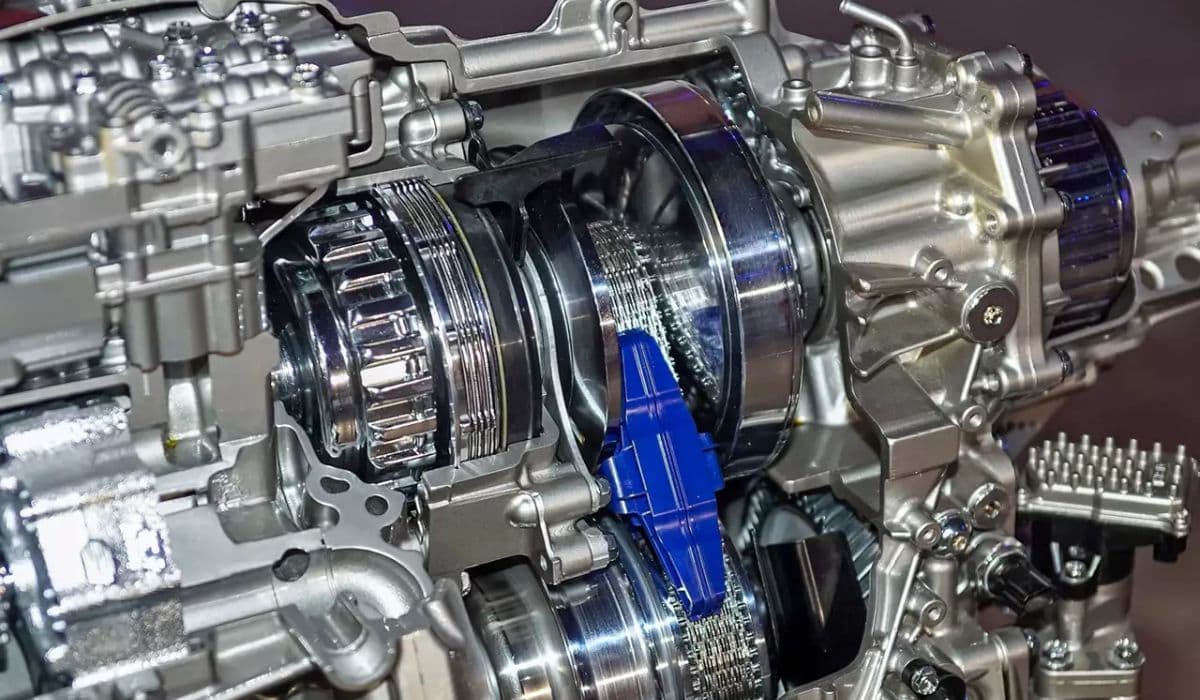
Subaru's Lineartronic CVT has become a staple in many models, delivering seamless acceleration, improved fuel efficiency, and compatibility with the brand's signature symmetrical all-wheel drive. Yet for numerous drivers, the experience includes an unwelcome companion: judder — that distinctive vibration or shudder that disrupts an otherwise smooth ride. This phenomenon often signals deeper mechanical stress within the transmission, potentially leading to serious long-term failures if left unaddressed.
What Exactly Is CVT Judder in Subaru Vehicles?
Judder manifests as a noticeable shaking or trembling, typically felt through the floorboard, seat, or steering wheel. It commonly occurs during light throttle application, such as gentle acceleration from a stop, maintaining steady low speeds, or even cruising at moderate highway velocities. Drivers frequently compare the sensation to driving over rumble strips or experiencing a mild engine misfire — annoying at first, but progressively more pronounced.
Occurs most often between 20-50 mph during light acceleration
Feels like intermittent slipping or chattering
May accompany slight RPM fluctuations without corresponding speed changes
Can intensify with heat buildup after prolonged driving
This symptom rarely appears suddenly; it usually develops gradually, giving attentive owners a window to intervene before catastrophic damage occurs.
Primary Causes Behind the Judder Phenomenon
The Lineartronic CVT relies on a sophisticated chain-and-pulley system rather than a traditional belt, paired with a torque converter for smooth power delivery from the engine. Several interconnected components contribute to judder when they degrade.
Torque Converter Lock-Up Clutch Wear
The torque converter's lock-up clutch engages to eliminate slippage and improve efficiency once the vehicle reaches cruising speed. When this clutch begins to slip or grab unevenly, it creates the hallmark shudder. Excessive heat from prolonged partial engagement accelerates friction material breakdown, turning a minor inefficiency into a persistent vibration.
Degraded or Contaminated CVT Fluid
Subaru's specialized high-performance fluid lubricates, cools, and transmits hydraulic pressure to the pulleys and chain. Over time — especially if fluid changes are neglected — it loses viscosity, accumulates debris, and fails to maintain proper film strength. This leads to inadequate clamping force on the chain, allowing micro-slips that translate into judder.
Fluid breakdown generates fine metallic particles that circulate and score surfaces
Overheating thins the fluid further, reducing its protective qualities
Incorrect or non-genuine fluid exacerbates friction issues
Valve Body and Solenoid Malfunctions
The valve body regulates hydraulic pressure through a network of solenoids. Failures in the lock-up duty solenoid or pressure control solenoids disrupt precise fluid delivery, causing inconsistent torque converter behavior or pulley adjustment. This often triggers judder alongside erratic shifting feel or delayed response.
Chain and Pulley Surface Wear
The steel chain links and pulley sheaves endure tremendous contact pressure. Microscopic wear or glazing on these surfaces reduces grip, leading to slippage under load. In severe cases, chain stretch or uneven pulley wear amplifies vibrations.
Progression: How Judder Evolves into Long-Term Failures
What begins as occasional judder frequently escalates if ignored. The underlying issues compound, creating a cascade of damage.
Excessive Heat Generation — Constant slipping produces friction heat that cooks seals, warps components, and accelerates fluid oxidation.
Chain Elongation or Slippage — Prolonged micro-slips stretch the chain links, reducing effective clamping and leading to gross slippage under acceleration.
Pulley Bearing or Thrust Component Failure — Bearings supporting the primary and secondary pulleys can wear, introducing growling noises or severe vibrations during load changes.
Complete Power Loss — In advanced stages, catastrophic chain slip or seized pulleys result in no drive to the wheels, often accompanied by high-revving without forward motion.
High-mileage examples demonstrate that neglected judder shortens transmission life significantly, sometimes requiring full replacement far earlier than expected.
Practical Steps to Detect and Manage Judder Early
Proactive monitoring and maintenance dramatically improve outcomes.
Listen for unusual noises like whining or growling during acceleration
Note any hesitation, delayed engagement, or RPM flare without speed gain
Check for warning lights, particularly the AT Oil Temp indicator flashing
Perform regular fluid inspections for burnt smell, dark color, or metallic glitter
Early intervention often involves fluid exchange with genuine Subaru CVT fluid, software updates for pressure control, or targeted solenoid/valve body service — measures that can restore smoothness and extend service life substantially.
Enhancing Longevity: Maintenance Strategies for Subaru CVT Owners
While the Lineartronic design offers engineering advantages, its durability hinges on attentive care.
Prioritize fluid maintenance at regular intervals, especially in demanding conditions like frequent stop-and-go traffic or hot climates
Avoid aggressive launches or sustained heavy loads that overstress the chain-pulley interface
Use only manufacturer-specified fluid to preserve hydraulic performance and friction characteristics
Address any emerging symptoms promptly rather than waiting for codes or complete failure
Owners who treat the CVT as a component requiring periodic attention — rather than a "lifetime" sealed unit — consistently report higher satisfaction and fewer major repairs.
Subaru CVT judder remains one of the most discussed topics among enthusiasts and owners alike. By recognizing the early vibrations as meaningful feedback from the transmission, drivers can take informed steps to preserve performance and avoid the steep costs of advanced failure modes.
More from Subaru
Subaru SiriusXM aggressive ads covering screen irritating
22.01.2026 15:12
Subaru rear seat recline removal in newer models drawback
22.01.2026 10:06
Subaru vs competitors low maintenance costs win
22.01.2026 08:00
Subaru owner satisfaction high due to safety and AWD
21.01.2026 16:55
Subaru brake sensitivity and potential issues noted
21.01.2026 16:17