Subaru auto start-stop cannot be fully disabled frustration
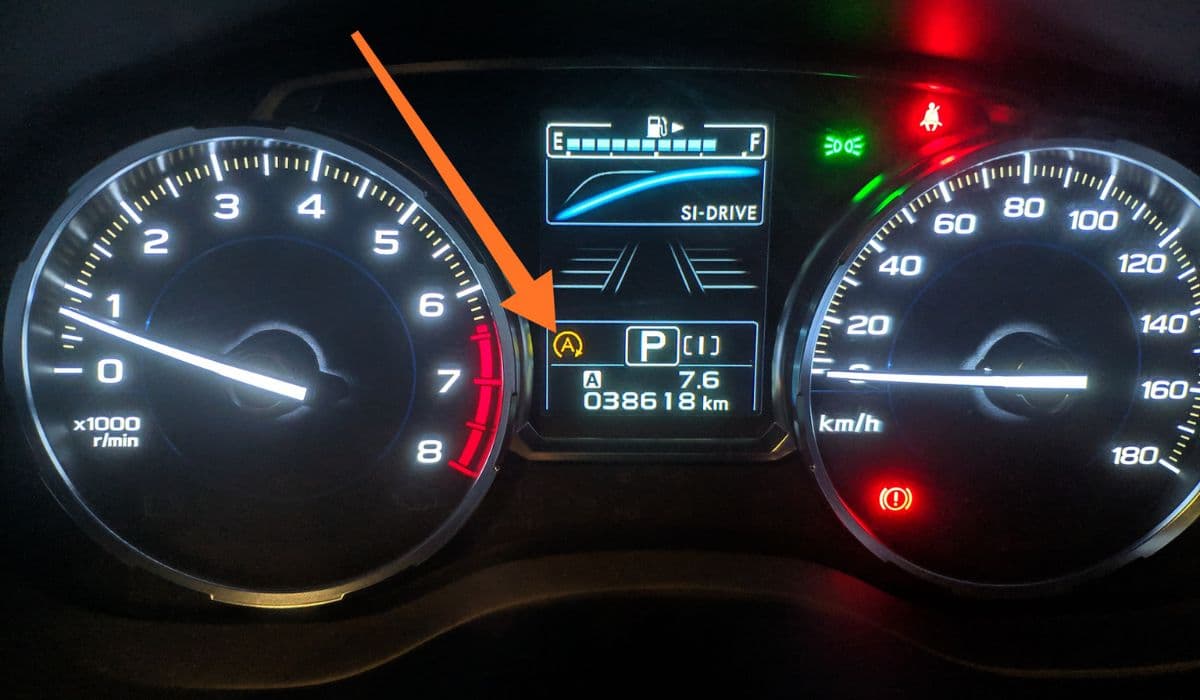
Subaru's auto start-stop system, often called idle stop-start or engine auto stop, has become a standard feature across many recent models. Designed to cut the engine at stops to save fuel and reduce emissions, it promises efficiency gains in stop-and-go traffic. Yet for a large number of Subaru drivers, the system delivers more irritation than benefit. The biggest source of frustration? The inability to disable it permanently with a simple, built-in setting.
The Daily Ritual That Never Ends
Every time you turn the key or press the start button, the auto start-stop reactivates by default. Owners must hunt for the dedicated disable button—usually located on the center console or dashboard—and press it manually. Miss this step, and the engine shuts off at the next red light, often catching the driver off guard.
This reset happens because Subaru engineers the system to prioritize environmental and regulatory goals over individual driver preference. While a temporary off switch exists for convenience during a single drive, the car "forgets" your choice upon restart. Forums and owner groups overflow with complaints describing this as a minor but persistent annoyance that disrupts the otherwise smooth Subaru ownership experience.
Pressing the button becomes part of the startup checklist, right after adjusting mirrors and buckling up.
In heavy traffic, forgetting leads to unexpected engine shutdowns, creating a brief but noticeable hesitation when accelerating.
The ritual feels especially tedious during short errands or cold mornings when other systems already demand attention.
Many drivers report developing muscle memory for the disable action, yet the repetition breeds resentment toward a feature meant to help.
Real-World Frustrations from Subaru Owners
The complaints go beyond mere inconvenience. Drivers describe several scenarios where the system's behavior feels intrusive or counterproductive.
Sudden engine restarts surprise passengers or make the cabin feel less refined. The brief delay between releasing the brake and engine firing can feel sluggish compared to traditional idling, particularly in situations requiring quick maneuvers like merging or turning left at busy intersections.
Some owners worry about long-term component wear. Although Subaru reinforces starters and batteries for frequent cycling, skeptics point to increased stress on:
The starter motor and related electrical components
The engine's oil circulation during repeated restarts
The overall drivetrain in stop-heavy urban driving
Noise and vibration also rank high on the list of grievances. The engine shutdown often accompanies a subtle change in cabin sound, followed by a noticeable rumble or clunk upon restart. For those who value Subaru's reputation for quiet, composed operation, this disrupts the peaceful drive they expect.
In performance-oriented situations—quick getaways from lights or spirited driving—the feature feels outright counterproductive. One owner summed up the sentiment by noting how it interrupts flow and adds unnecessary mental load to an otherwise enjoyable drive.
Why Subaru Made It Hard to Turn Off Permanently
Subaru's decision stems from a mix of engineering priorities and external pressures. The system contributes to official fuel economy ratings and helps meet tightening emissions standards in various markets. By forcing default activation, the company ensures most vehicles deliver the advertised efficiency benefits.
Regulatory bodies increasingly emphasize idle reduction technologies as part of broader climate goals. Manufacturers face incentives—or requirements—to incorporate such systems, and allowing full permanent disablement could undermine compliance testing or real-world performance data.
Subaru also integrates auto start-stop with other technologies like EyeSight driver assistance. Disabling one might indirectly affect diagnostics or related functions, though the company maintains the features operate independently under normal conditions.
Critics argue this approach prioritizes corporate and regulatory checkboxes over customer satisfaction. Unlike some competitors that offer menu-based permanent disable options or memory settings, Subaru sticks to the temporary switch, leaving owners seeking workarounds.
Workarounds and Aftermarket Solutions
Faced with the reset behavior, resourceful owners explore options to bypass the daily button press.
Aftermarket modules, often called auto stop eliminators or CAN bus interceptors, plug into the vehicle's diagnostic port or wiring harness. These devices trick the system into believing the disable button was pressed, keeping the feature off across ignition cycles. Installation usually takes minutes and remains reversible.
Some enthusiasts share DIY methods involving wiring modifications or software tweaks via diagnostic tools, though these carry risks of voiding warranties or triggering error codes.
Dealerships generally advise against permanent modifications, citing potential impacts on emissions compliance or system longevity. Still, the existence of a thriving aftermarket segment proves the demand for true control remains strong.
The Bigger Picture: Efficiency vs. Driver Control
Auto start-stop technology undeniably delivers measurable benefits in dense urban environments. Reduced idling translates to lower fuel consumption and emissions over thousands of miles, especially for commuters stuck in traffic daily.
Yet the frustration highlights a growing tension in modern vehicles: the balance between automated efficiency features and driver autonomy. When a system resets against user preference, it can feel like the car is overriding the owner's judgment.
Subaru owners appreciate the brand's focus on safety, reliability, and all-weather capability. The auto start-stop system, however, stands out as one area where many feel the implementation falls short of that standard. The lack of a permanent disable option transforms a well-intentioned feature into a frequent source of irritation.
Until manufacturers reconsider default behaviors or add customizable memory settings, the button press will remain a rite of passage for Subaru drivers who prefer traditional idling.
More from Subaru
Subaru SiriusXM aggressive ads covering screen irritating
22.01.2026 15:12
Subaru rear seat recline removal in newer models drawback
22.01.2026 10:06
Subaru vs competitors low maintenance costs win
22.01.2026 08:00
Subaru owner satisfaction high due to safety and AWD
21.01.2026 16:55
Subaru brake sensitivity and potential issues noted
21.01.2026 16:17