Subaru high beam assist annoying in rural night driving
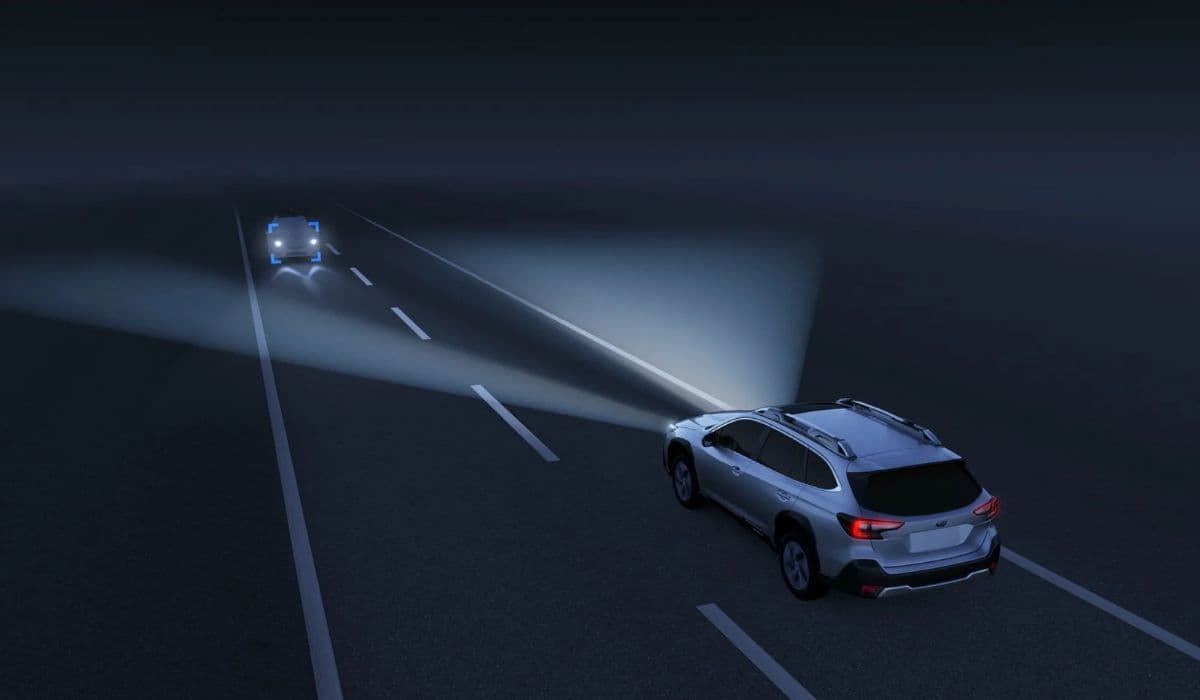
Subaru's High Beam Assist (HBA) is designed to enhance nighttime visibility by automatically switching between high and low beams based on detected oncoming traffic or vehicles ahead. This system uses a forward-facing camera mounted near the rearview mirror to monitor the road. When no headlights are detected in the distance, it engages high beams for optimal illumination. Upon sensing approaching lights, it dims to low beams to prevent dazzling other drivers.
In urban or highway settings with consistent traffic, HBA performs reliably, reducing the driver's need to manually toggle beams. However, its performance shifts dramatically in rural environments, where sparse lighting and unpredictable conditions expose its limitations. The technology relies on algorithms that interpret light sources, but rural roads introduce variables that can confuse the system, leading to erratic behavior.
Common Complaints from Rural Drivers
Rural night driving often involves long stretches of unlit roads, wildlife crossings, and winding paths flanked by dense foliage. Subaru owners frequently report that HBA becomes more hindrance than help in these scenarios. One major issue is the system's hypersensitivity to intermittent light sources. For instance:
Reflections from road signs or retroreflective markers can trigger unnecessary dimming, plunging the road into relative darkness just when maximum visibility is needed.
Distant farm lights or isolated porch lamps mimic oncoming traffic, causing premature switching that disrupts the driver's rhythm.
Overhanging branches or roadside vegetation swaying in the wind creates flickering shadows that the camera misinterprets as vehicles.
These false triggers not only annoy drivers but also compromise safety by forcing reliance on low beams during critical moments. Many users describe the experience as "jumpy" or "nervous," with the beams cycling on and off in a pattern that feels unreliable.
Why Rural Conditions Challenge the System
The core challenge lies in HBA's detection parameters, optimized for structured environments rather than the organic chaos of countryside roads. In rural areas, ambient light is minimal, amplifying the contrast of any artificial source. The camera's field of view can pick up subtle glints from dew-covered fences or animal eyes, which register as potential hazards but aren't true vehicles.
Weather exacerbates these problems. Fog, mist, or light rain scatters headlights, creating halo effects that confuse the sensor. On gravel or dirt roads, dust kicked up by the vehicle itself reflects back, simulating taillights ahead and prompting unwanted dimming. Curves and hills further complicate matters; as the road dips or bends, the system might fail to detect distant lights promptly, or overreact to emerging ones.
Subaru's firmware attempts to filter these anomalies, but rural variability often overwhelms it. Drivers note that the assist engages too aggressively, prioritizing caution over utility in low-traffic zones where high beams could safely dominate.
Real-World Scenarios and Driver Frustrations
Imagine navigating a narrow backroad at midnight, surrounded by pitch-black fields. Your Subaru's HBA starts flawlessly on high beams, illuminating far ahead to spot potholes or deer. Suddenly, a faint glow from a hidden driveway appears—perhaps a motion-sensor light activated by wind—and the beams drop instantly. The road ahead vanishes into shadows, forcing a tense few seconds until the system readjusts.
Another common tale involves wildlife-heavy areas. High beams are crucial for early detection of animals, yet HBA dims upon detecting their reflective eyes, right when you need the extra light to brake safely. In hilly terrain, cresting a rise might reveal no traffic, but the system lags, keeping low beams on longer than necessary.
Feedback from Subaru forums and owner groups highlights patterns:
Frequent manual overrides, leading to fatigue on long drives.
Increased glare from improperly timed switches, ironically worsening visibility for others.
Inconsistent performance across models, even within the same lineup, suggesting calibration variances.
These experiences turn what should be a convenience into a source of irritation, prompting some to disable the feature entirely via dashboard settings.
Potential Causes Behind the Annoyance
Delving deeper, the annoyance stems from hardware and software interplay. The camera's sensitivity threshold might be set too low for rural sparsity, where minimal light equates to major events. Algorithmic delays in processing—fractions of a second—feel eternal on dark roads, heightening driver anxiety.
Environmental factors play a role too. Rural air clarity varies; clear nights enhance distant detection, but humidity or pollen can diffuse lights unpredictably. Vehicle modifications, like aftermarket headlights, might alter beam patterns, confusing the original calibration.
Subaru engineers aimed for broad applicability, but rural niches reveal gaps. Without customizable sensitivity settings, drivers lack tools to adapt HBA to their locale, leaving them stuck with a one-size-fits-most approach that fits poorly in remote areas.
Workarounds and Temporary Fixes
Until manufacturers refine the tech, drivers have devised clever adaptations. Start by familiarizing yourself with the disable button—often a quick toggle on the turn signal stalk or infotainment menu. For partial relief:
Drive with headlights on manual mode during known problematic stretches, switching to auto only in busier sections.
Clean the windshield and camera housing regularly; smudges amplify false readings.
Adjust speed to match road familiarity—slower paces give the system more time to react accurately.
Pair with auxiliary lights if legal, providing supplemental illumination without relying on beams.
Some owners experiment with software updates at dealerships, hoping for patches addressing rural quirks. Community-shared tips include positioning the vehicle to minimize sign reflections or choosing routes with fewer distractions.
These solutions demand proactive effort, underscoring how HBA shifts burden from convenience to management in rural contexts.
Broader Implications for Night Driving Safety
Beyond annoyance, persistent issues with HBA raise questions about over-reliance on automation in diverse driving landscapes. In rural settings, where emergency services are distant and roads unforgiving, dependable visibility is paramount. Erratic beam switching can distract, pulling focus from hazards like black ice or fallen branches.
This highlights the need for technologies that learn from context—perhaps integrating GPS data to anticipate rural zones and adjust thresholds. Until then, Subaru drivers must balance trust in the system with vigilant manual control, ensuring safety isn't sacrificed for supposed ease.
The evolution of such assists promises improvement, but for now, rural nights demand a driver's keen eye over automated guesswork.
More from Subaru
Subaru SiriusXM aggressive ads covering screen irritating
22.01.2026 15:12
Subaru rear seat recline removal in newer models drawback
22.01.2026 10:06
Subaru vs competitors low maintenance costs win
22.01.2026 08:00
Subaru owner satisfaction high due to safety and AWD
21.01.2026 16:55
Subaru brake sensitivity and potential issues noted
21.01.2026 16:17