Subaru EyeSight system aggressive warnings annoy many owners
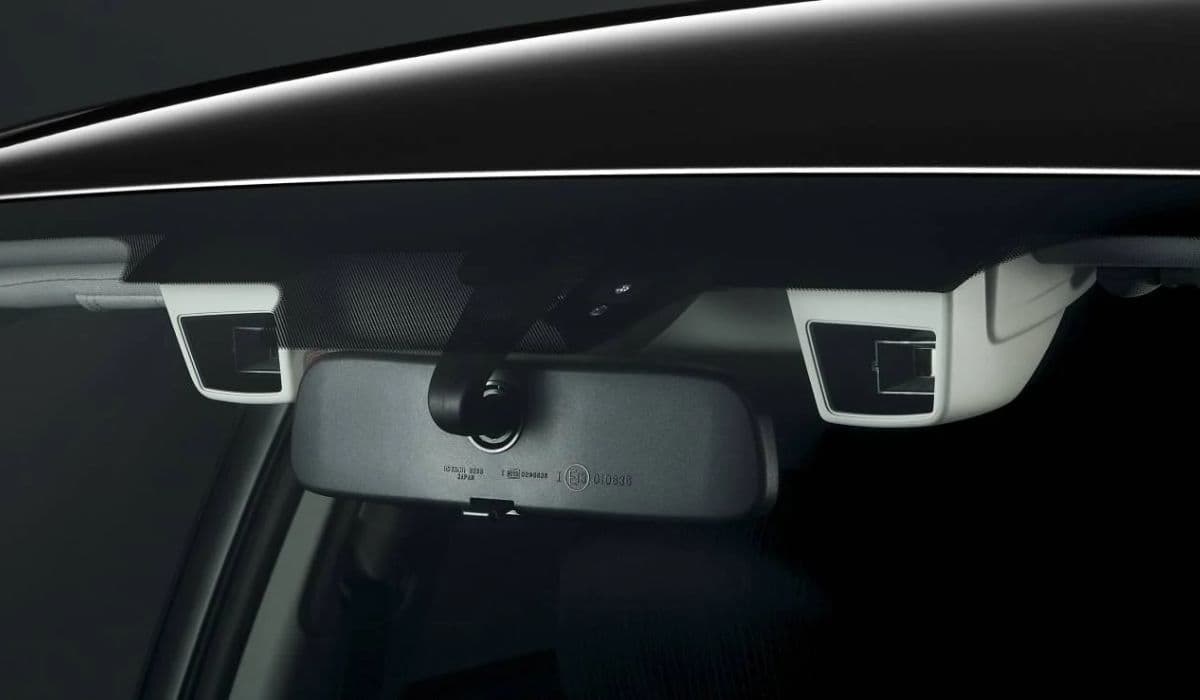
Subaru's EyeSight driver assistance technology has earned praise for its role in preventing collisions and easing long drives. Using stereo cameras mounted behind the windshield, the system powers features like adaptive cruise control, pre-collision braking, lane departure warnings, and lead vehicle start alerts. While these tools contribute to safer roads, a growing number of Subaru drivers report frustration with the system's overly sensitive responses. Frequent beeps, unexpected interventions, and persistent alerts disrupt the driving experience for many, turning a helpful feature into a source of irritation.
Understanding the Core Complaints
Owners frequently describe EyeSight as "too aggressive" or "nervous." The system often reacts to situations that experienced drivers handle intuitively without issue.
Sudden braking or throttle modulation occurs when the vehicle ahead turns right or changes lanes abruptly, even when plenty of space remains.
False collision warnings trigger on highways or open roads, with audible alerts and visual flashes for no apparent obstacle.
Lane departure and sway warnings beep repeatedly in gentle curves or when drivers position slightly off-center within the lane.
Driver monitoring alerts scold for "looking away" or "hands off the wheel," sometimes when eyes remain forward and hands grip properly at non-standard positions.
Reverse automatic braking or parking sensors activate unnecessarily near shrubs, garage walls, or low obstacles.
These reactions stem from the system's conservative tuning, designed to err on the side of caution. Subaru prioritizes avoiding even low-probability crashes, but this approach leads to interventions that feel unnecessary or intrusive.
Common Scenarios That Trigger Aggressive Responses
Real-world driving conditions expose the system's sensitivities in predictable ways.
Shadow play and high-contrast scenes — Bright sunlight creates sharp shadows from trees, signs, or overpasses that the cameras misinterpret as hazards.
Curved roads or sweeping turns — The system may detect roadside objects like mailboxes or guardrails as imminent threats, prompting warnings or mild braking.
Lane changes without full signaling — If a turn signal isn't activated early, the system assumes a drift rather than an intentional maneuver, leading to corrective steering or alerts.
Following vehicles closely in traffic — Adaptive cruise control may brake harder than needed when the lead car slows moderately.
Environmental factors — Dirt, frost, fog, or even condensation on the windshield can degrade camera performance, causing erratic behavior or temporary shutdowns.
Many owners note that these issues appear more pronounced in certain environments, such as urban streets with parked cars or rural roads with variable lighting.
Why the System Feels Overly Cautious to Some Drivers
EyeSight relies entirely on camera-based vision in most configurations, without supplemental radar in some setups. This makes it highly dependent on clear visibility and precise calibration. The algorithms prioritize early detection to allow maximum reaction time, resulting in warnings that sound long before most humans would perceive danger.
For aggressive or confident drivers accustomed to manual control, the constant nudges disrupt flow. Lane centering assist may "ping-pong" between lines rather than hold a smooth path, while pre-collision systems intervene in scenarios where braking manually would occur later and more progressively.
Some compare it unfavorably to radar-heavy systems from competitors, which handle poor weather or complex scenes with less false activation. Subaru's choice emphasizes affordability and integration across models, but it amplifies sensitivity in edge cases.
Impact on Daily Driving and Owner Satisfaction
The barrage of alerts affects more than comfort — it can create distraction or stress.
Repeated beeping leads some to mute sounds where possible or disable features entirely, potentially reducing overall safety benefits.
Unexpected braking surprises passengers and following drivers, raising rear-end collision risks in heavy traffic.
Persistent warnings erode trust in the technology, making owners less likely to rely on helpful aspects like adaptive cruise on highways.
In stop-and-go situations, the system sometimes feels intrusive, prompting drivers to switch to standard cruise or turn features off manually each time.
Forum discussions and owner feedback highlight a divide: passive drivers appreciate the vigilance, while others find it overbearing, especially during spirited driving or canyon runs.
Workarounds and Adjustments Owners Explore
Subaru provides limited customization, but drivers discover ways to reduce annoyance.
Adjust warning timing and intervention sensitivity through in-car menus where available, setting alerts to occur later.
Hold specific steering wheel buttons to disable lane departure or pre-collision braking temporarily (though full shutdown requires holding controls and often resets on restart).
Maintain a clean windshield and proper camera alignment to minimize false triggers from obstructions.
Use turn signals proactively during lane changes to prevent misinterpretation as drifting.
In some cases, owners accept occasional interventions as a trade-off for the system's proven crash-avoidance record in genuine emergencies.
Dealers sometimes perform recalibrations after windshield replacements or software updates to address persistent glitches.
Balancing Safety Innovation with User Experience
EyeSight represents a significant step in making advanced safety accessible in mainstream vehicles. Its stereo camera setup delivers reliable performance in many conditions, often preventing rear-end collisions or lane departures that statistics show cause serious harm.
Yet the same conservatism that saves lives in critical moments frustrates in routine driving. As technology evolves, future iterations may incorporate adjustable aggressiveness levels, better contextual awareness, or hybrid sensor fusion to reduce false positives without compromising protection.
For now, Subaru owners navigate a learning curve: understanding the system's logic helps anticipate reactions, while selective disabling preserves enjoyment without abandoning core safeguards. The debate continues among drivers — is an occasionally annoying guardian angel worth the occasional scare, or does the noise outweigh the benefit?
More from Subaru
Subaru SiriusXM aggressive ads covering screen irritating
22.01.2026 15:12
Subaru rear seat recline removal in newer models drawback
22.01.2026 10:06
Subaru vs competitors low maintenance costs win
22.01.2026 08:00
Subaru owner satisfaction high due to safety and AWD
21.01.2026 16:55
Subaru brake sensitivity and potential issues noted
21.01.2026 16:17