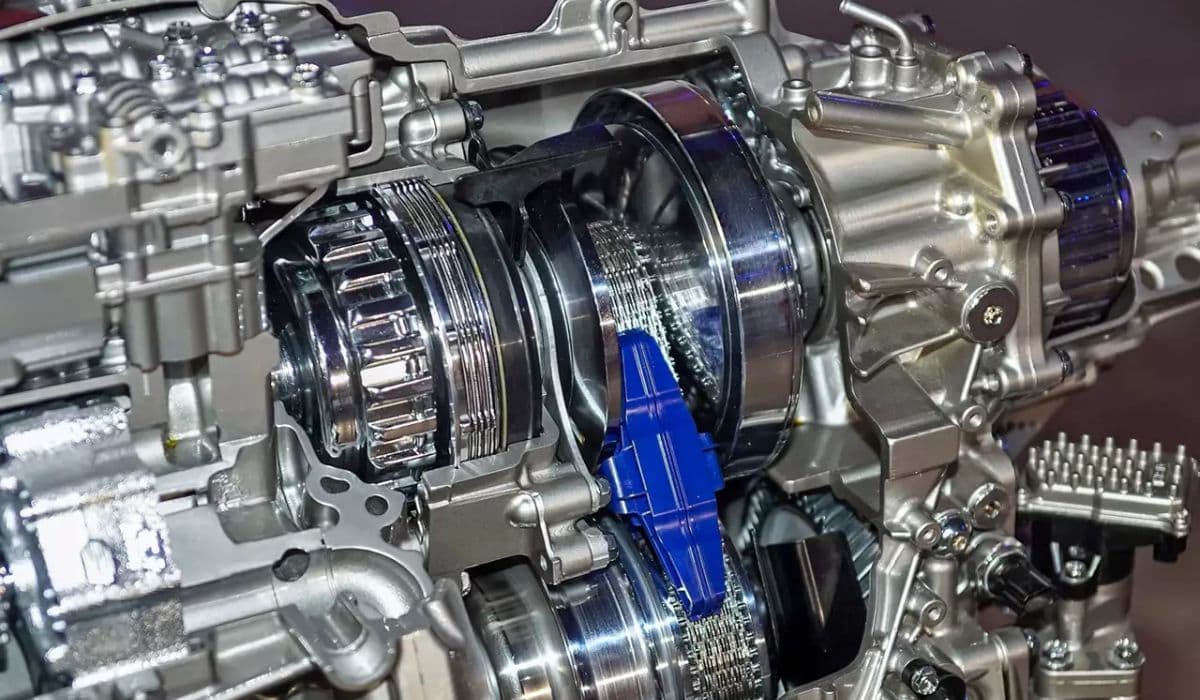
Subaru hybrid models great MPG but no spare tire in some trims
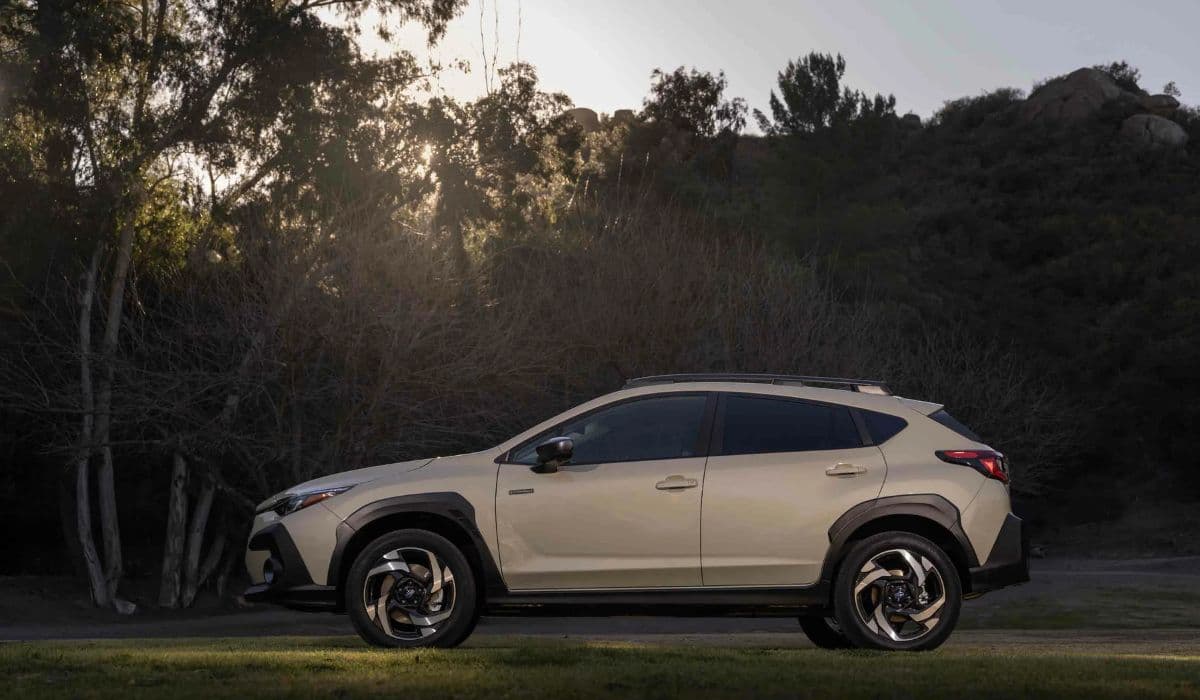
Subaru's hybrid lineup delivers exceptional fuel efficiency while maintaining the brand's signature symmetrical all-wheel drive capability. Models like the Crosstrek Hybrid and Forester Hybrid stand out for their strong combined MPG ratings, making them appealing choices for drivers seeking better economy without sacrificing versatility. However, a common point of discussion among potential buyers involves the absence of a traditional spare tire in many hybrid configurations—a design choice tied directly to the hybrid system's priorities.
Why Subaru Hybrids Excel in Fuel Economy
Subaru hybrids combine a boxer engine with electric assistance to achieve notable efficiency gains, particularly in urban and mixed driving conditions. The integration of electric motors provides instant torque for smoother acceleration and reduced reliance on the gasoline engine during low-speed travel.
Real-world efficiency advantages — Owners frequently report impressive city MPG figures, often exceeding non-hybrid counterparts by a significant margin thanks to regenerative braking and electric-only operation in certain scenarios.
Symmetrical AWD preservation — Unlike some competitors that compromise drivetrain layout for hybridization, Subaru ensures full-time all-wheel drive remains standard, delivering confident handling in rain, snow, or light off-road situations.
Seamless power delivery — The hybrid system transitions smoothly between gas and electric power, contributing to a refined driving experience that feels natural rather than forced.
These attributes make Subaru hybrids particularly suitable for commuters and adventure seekers who want lower fuel consumption without giving up capability.
The Trade-Off: No Spare Tire in Key Hybrid Trims
To optimize the hybrid setup, Subaru engineers prioritize battery placement and weight reduction. In models such as the Crosstrek Hybrid and Forester Hybrid, the battery pack occupies space traditionally reserved for a spare tire, often under the cargo floor or along the vehicle's underside.
This results in the omission of a conventional spare (full-size or compact donut) in many trims, replaced instead by a tire mobility kit—typically a sealant canister paired with a portable air compressor.
Space and weight considerations — The hybrid battery's location eliminates the under-floor well used for spares in gas-only versions, allowing engineers to maximize interior room while keeping overall vehicle mass in check for better efficiency.
Efficiency-driven decisions — Removing the spare reduces unsprung weight and rotational mass, contributing to the strong MPG numbers that define these models.
Consistency across hybrids — This approach aligns with industry trends seen in other electrified vehicles, where battery integration often leads to similar compromises.
While the design choice supports the hybrid's core strengths, it sparks debate about preparedness for roadside emergencies.
Understanding the Tire Mobility Kit as an Alternative
Subaru equips affected hybrid trims with a practical, if temporary, solution: the tire repair kit. This system addresses minor punctures effectively in many cases.
How it works — The kit includes sealant that seals small holes from within the tire, followed by inflation via the built-in compressor to restore pressure.
Best-case scenarios — Ideal for tread-area punctures like nails or screws, allowing drivers to reach a service center without immediate towing.
Limitations to note — The sealant works best on minor damage; sidewall tears, large gashes, or blowouts often render it ineffective, requiring professional intervention.
Many owners supplement the factory kit with aftermarket plug repair tools for added versatility, especially for frequent rural or remote driving.
Pros and Cons of the No-Spare Approach in Subaru Hybrids
The decision to forgo a spare tire reflects a calculated balance between efficiency gains and real-world usability.
Advantages include:
Enhanced MPG through reduced weight and optimized packaging.
Preserved cargo space in areas not impacted by battery placement.
Alignment with modern trends toward lighter, more efficient vehicles.
Potential drawbacks involve:
Reduced self-reliance during flats in isolated locations where cell service or towing may be limited.
Reliance on a temporary fix that may not suit severe tire damage.
Need for proactive planning, such as carrying extra tools or knowing nearby service options.
For urban or suburban drivers with reliable roadside assistance, the trade-off often feels minor compared to the daily fuel savings.
Owner Experiences and Practical Workarounds
Feedback from Subaru hybrid owners reveals a range of perspectives. Many appreciate the efficiency and rarely encounter issues, viewing the mobility kit as sufficient for everyday use. Others, particularly those who venture off paved roads or travel long distances, express concerns and seek solutions.
Common adaptations include:
Investing in advanced tire plug kits for quick, permanent repairs to small punctures.
Adding external spare tire carriers, such as hitch-mounted or roof options, for full-size or compact spares.
Opting for run-flat tires where available, enabling limited driving to a repair shop after a puncture.
Relying on comprehensive roadside assistance programs included with new Subaru purchases.
These strategies help bridge the gap, allowing owners to enjoy hybrid benefits while addressing the lack of a factory spare.
Final Thoughts on Balancing Efficiency and Preparedness
Subaru's hybrid models showcase how electrification can enhance fuel economy in capable AWD vehicles, delivering strong MPG that appeals to eco-conscious drivers. The absence of a spare tire in select trims represents an engineering compromise to achieve those gains, favoring lightweight design and battery integration over traditional emergency equipment.
Ultimately, whether this trade-off suits you depends on driving habits, typical routes, and personal comfort with alternatives like repair kits. For many, the efficiency advantages outweigh the inconvenience, while others adapt with aftermarket solutions to maintain peace of mind.
More from Subaru
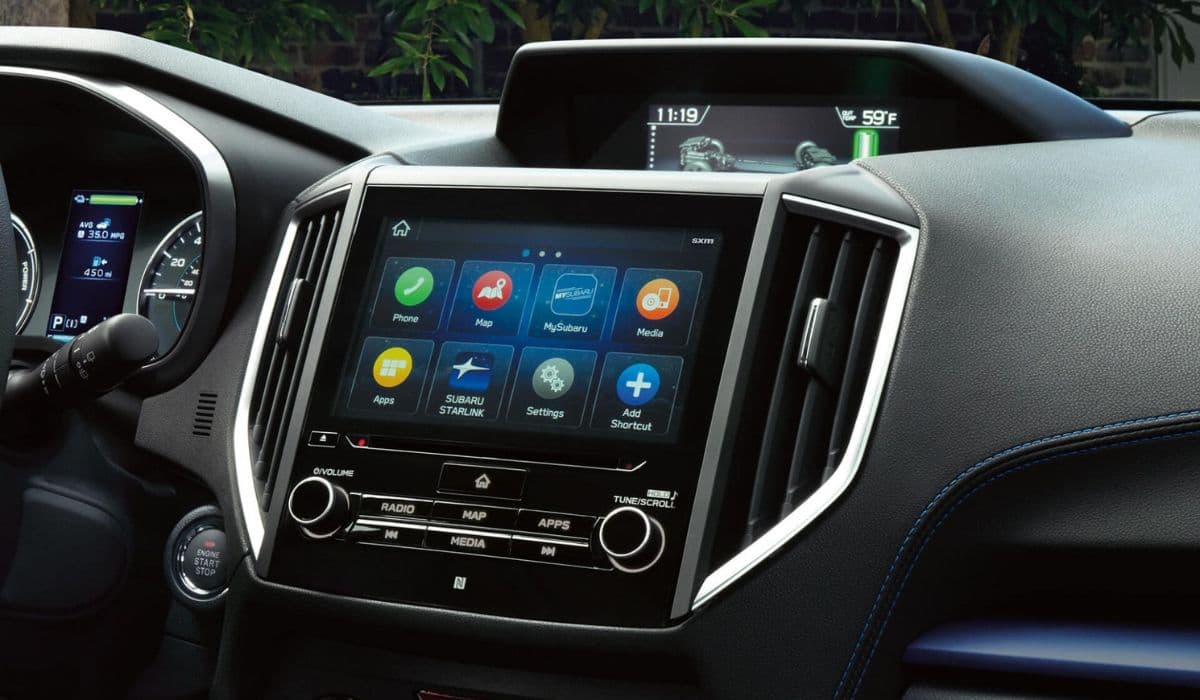
Subaru SiriusXM aggressive ads covering screen irritating
22.01.2026 15:12
Subaru rear seat recline removal in newer models drawback
22.01.2026 10:06
Subaru vs competitors low maintenance costs win
22.01.2026 08:00
Subaru owner satisfaction high due to safety and AWD
21.01.2026 16:55
Subaru brake sensitivity and potential issues noted
21.01.2026 16:17