Subaru Outback impressive acceleration but infotainment crashes common

The Subaru Outback stands out in the crossover wagon segment by blending rugged capability with everyday usability. Owners and reviewers frequently praise its surprising acceleration, especially in turbocharged variants, while the infotainment system draws consistent criticism for reliability issues like crashes and freezes. This contrast creates a vehicle that thrills on the road but tests patience inside the cabin.
Standout Acceleration Performance
Subaru equips the Outback with two main engine choices, and the turbocharged option delivers performance that punches above its class expectations.
The 2.4-liter turbocharged BOXER engine produces 260 horsepower and 277 lb-ft of torque, propelling the Outback to 60 mph in approximately 5.8 to 6.3 seconds depending on trim and conditions.
This acceleration feels effortless during highway merges, overtaking, or climbing steep inclines, often surprising drivers accustomed to slower wagons.
Paired with Subaru's Symmetrical All-Wheel Drive, the power delivery remains composed and confident across various surfaces, from dry pavement to light off-road trails.
Reviewers note the turbo setup provides strong mid-range punch, making it feel lively without requiring constant downshifts from the CVT.
In XT trims like Wilderness or Touring XT, the Outback achieves sprint times comparable to some sportier models, transforming it from a practical hauler into a genuinely engaging driver.
Even the base 2.5-liter naturally aspirated engine offers respectable responsiveness for daily driving, though it lacks the explosive feel of the turbo.
Why the Turbocharged Outback Feels So Quick
Several factors contribute to the Outback's impressive straight-line speed:
The flat-four engine layout provides a low center of gravity, enhancing stability during hard acceleration.
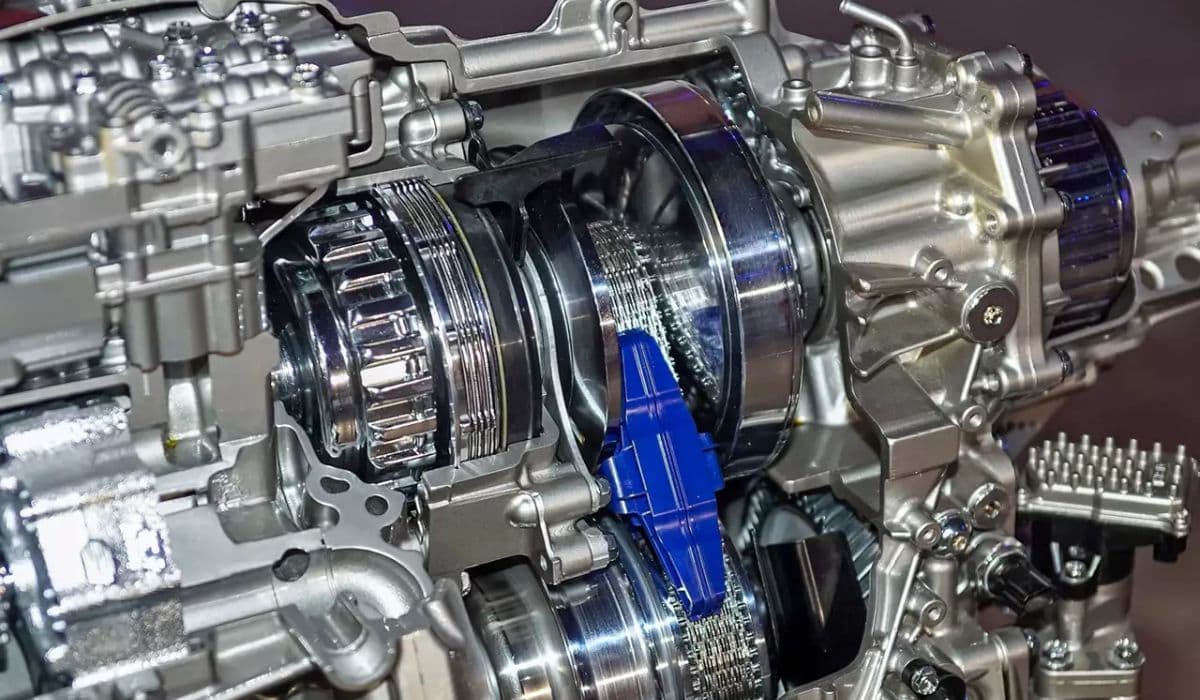
Subaru's CVT, despite its reputation in other applications, simulates stepped shifts effectively in turbo models, reducing the typical drone and delivering power smoothly.
All-wheel drive ensures optimal traction, minimizing wheelspin and allowing full power application from a standstill.
The combination results in confident passing power on highways or quick launches that feel more dynamic than many competitors in the segment.
This performance edge makes the Outback a favorite for those who want adventure-ready capability without sacrificing quick responses.
Persistent Infotainment System Challenges
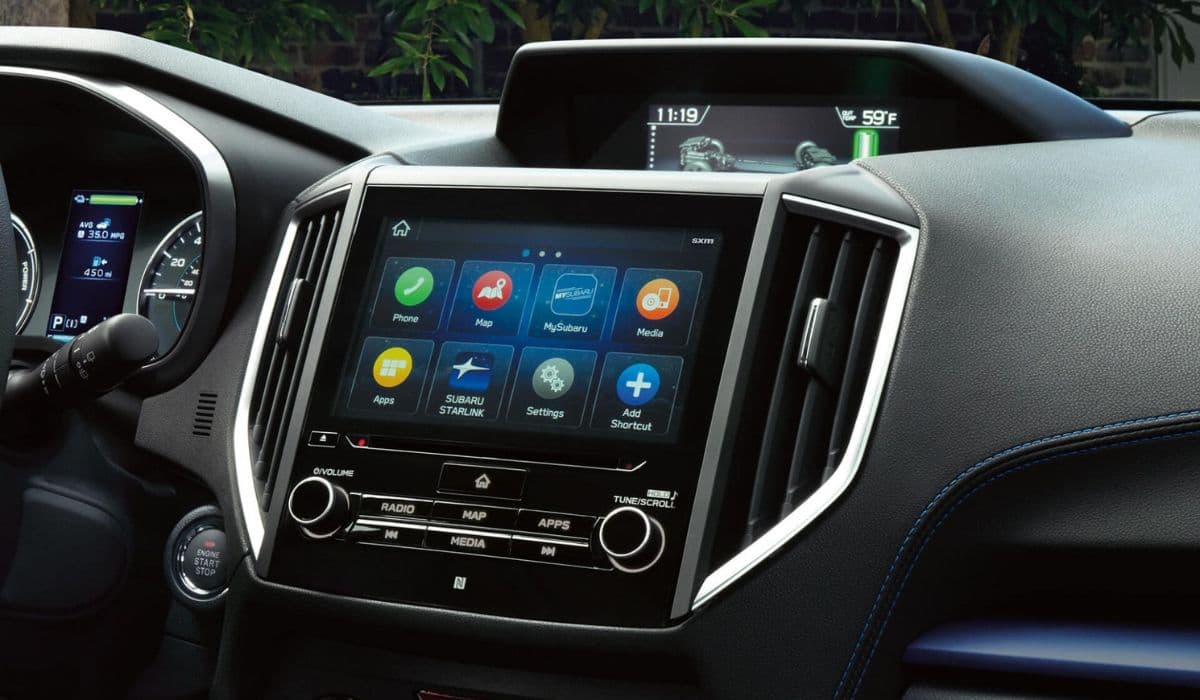
While the Outback excels in motion, its Starlink infotainment system remains a frequent source of owner frustration, with crashes, freezes, and glitches reported across multiple generations.
Common complaints include:
The touchscreen freezing or becoming completely unresponsive during drives.
Random reboots that interrupt navigation, audio, or climate controls.
"Ghost touch" issues where the screen registers phantom inputs, causing unintended changes.
Bluetooth connectivity dropping or audio skipping during calls and streaming.
Backup camera feeds lagging or failing to display promptly.
These problems often distract drivers, especially when critical functions like rear visibility or safety alerts tie into the main screen. Many owners report needing frequent resets—holding the volume knob for over 9 seconds or using remote support—to regain functionality temporarily.
Root Causes Behind Infotainment Reliability Issues
Several elements contribute to these recurring glitches:
Hardware limitations in the head unit lead to overheating or processor strain under normal use.
Software bugs persist despite multiple over-the-air or dealer-applied updates.
Integration with features like EyeSight safety tech sometimes exacerbates malfunctions, as the system handles complex data processing.
Touchscreen-heavy design buries simple adjustments (like climate controls) in menus, amplifying frustration when the interface lags or crashes.
Owners describe scenarios where the screen blacks out mid-trip or blasts maximum volume unexpectedly, turning routine drives into stressful experiences.
Real-World Impact on Daily Driving
Infotainment crashes affect more than convenience—they influence overall enjoyment:
Navigation interruptions force reliance on phone apps, defeating the built-in system's purpose.
Climate adjustments become cumbersome when touch controls fail, especially in extreme weather.
Safety features dependent on the display (like rear-view visuals) may temporarily disappear.
Frequent dealer visits for diagnostics and updates add inconvenience and potential costs.
Despite these drawbacks, many drivers tolerate the issues because the Outback delivers in core areas like ride comfort, cargo versatility, and all-weather confidence.
Balancing the Driving Experience
The Outback's turbocharged acceleration creates memorable moments behind the wheel—quick merges feel rewarding, and the AWD grip inspires confidence. Yet the infotainment shortcomings remind owners that no vehicle achieves perfection.
Drivers who prioritize spirited performance and practicality often overlook occasional glitches, especially if they minimize screen interaction through voice commands or physical shortcuts. For tech-reliant users, the frequent crashes prove more disruptive.
Ultimately, the Subaru Outback rewards those who value dynamic capability and rugged versatility, even as its digital interface continues to evolve. The thrilling surge from the turbo engine contrasts sharply with the occasional frozen screen, highlighting a vehicle full of character and compromise.
More from Subaru
Subaru SiriusXM aggressive ads covering screen irritating
22.01.2026 15:12
Subaru rear seat recline removal in newer models drawback
22.01.2026 10:06
Subaru vs competitors low maintenance costs win
22.01.2026 08:00
Subaru owner satisfaction high due to safety and AWD
21.01.2026 16:55
Subaru brake sensitivity and potential issues noted
21.01.2026 16:17