Subaru WRX fun performance but CVT transmission reliability concerns
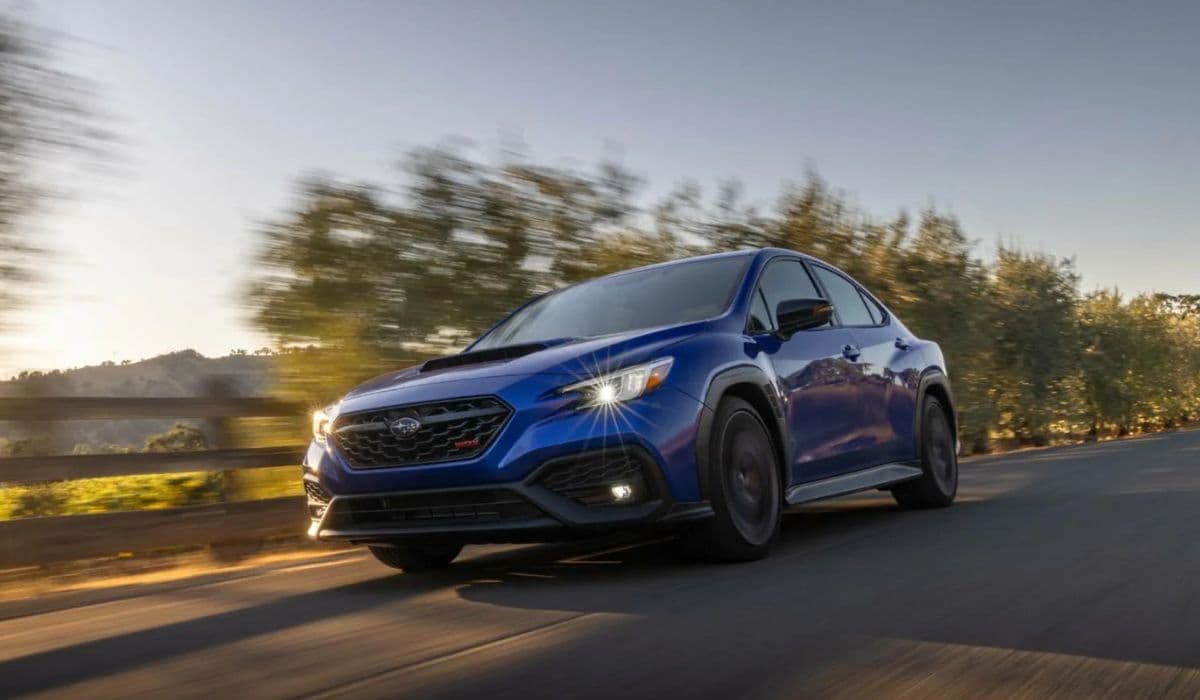
The Subaru WRX stands out in the compact performance sedan segment as a car that delivers genuine excitement behind the wheel. With its turbocharged boxer engine, symmetrical all-wheel drive, and razor-sharp handling, it captures the spirit of rally-bred performance. Enthusiasts love the way it grips through corners, launches with urgency, and rewards precise inputs on twisty roads. Yet for those considering the CVT-equipped versions, one question looms large: does the continuously variable transmission undermine the car's legendary fun factor, and more importantly, can it hold up over the long haul?
What Makes the WRX So Addictively Fun to Drive
At its core, the WRX excels because it feels alive and connected. The turbocharged flat-four engine provides strong mid-range torque that pulls hard once on boost, creating that signature surge enthusiasts crave.
Symmetrical all-wheel drive distributes power effectively, minimizing understeer and allowing confident corner exits even in damp conditions.
The chassis offers precise steering feedback and balanced weight distribution, making it playful on backroads without feeling twitchy.
Paddle shifters (on automatic versions) and responsive throttle mapping let drivers stay engaged, especially in Sport or Sport Sharp modes where the car sharpens responses for more aggressive driving.
The overall package delivers an involving experience that punches above its weight class, blending everyday usability with genuine performance thrills.
Many owners describe spirited drives as addictive — the WRX encourages pushing harder while remaining composed and predictable.
The CVT Option: Engineering for Efficiency and Accessibility
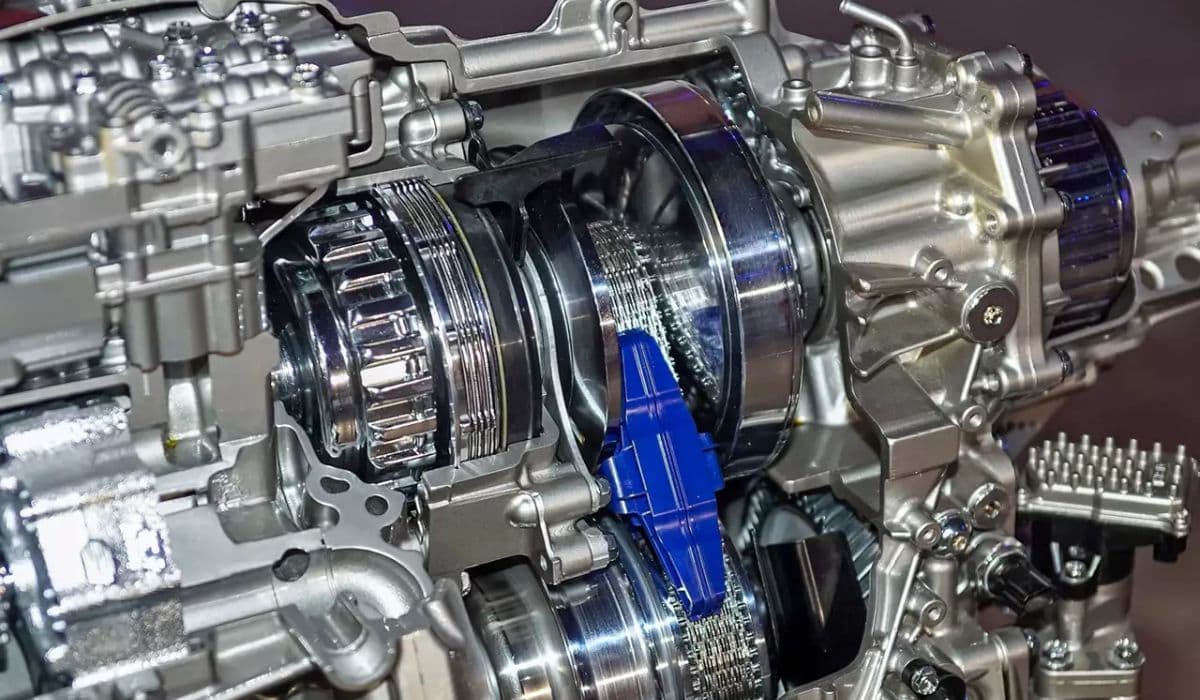
Subaru's Lineartronic CVT, often branded as the Subaru Performance Transmission in WRX applications, uses a belt-and-pulley system (or chain in some designs) to provide seamless ratio changes. This setup keeps the engine in its optimal power band without traditional gear steps.
Key advantages include:
Smoother power delivery during everyday driving, eliminating shift shock.
Potentially better real-world acceleration in rolling scenarios, as the transmission avoids waiting for gear changes.
Enhanced fuel efficiency on highways by maintaining lower engine speeds during cruising.
Paddle-shift simulation with programmed "steps" that mimic conventional shifts, adding engagement without the complexity of a traditional automatic.
In performance-tuned variants, the CVT responds quickly to inputs, holding revs aggressively during hard acceleration and offering quick downshift emulation via paddles.
Why Enthusiasts Often Criticize the CVT Experience
Despite engineering refinements, the CVT divides opinions sharply among WRX fans. The lack of fixed gears creates a sensation some describe as disconnected — engine revs rise and hold without the satisfying "kick" of upshifts.
Common complaints include:
A rubber-band-like feel during hard launches, where power builds gradually rather than instantly.
Less driver involvement compared to rowing through gears manually, reducing the visceral thrill that defines the WRX heritage.
Simulated shifts that feel artificial to purists who prefer mechanical feedback.
For track days or aggressive backroad runs, many argue the manual transmission better captures the car's rally DNA, offering more direct control and involvement.
Digging Into CVT Reliability: Real-World Concerns
Subaru CVTs have faced scrutiny over the years, with reports of issues in various models. While the WRX's performance-oriented version benefits from upgrades like reinforced components and better cooling, reliability remains a debated topic.
Frequent owner-reported problems include:
Shuddering or jerking during light acceleration, often tied to fluid degradation or belt/pulley wear.
Hesitation off the line or slipping sensations under load, sometimes linked to valve body issues or software glitches.
Whining noises that signal bearing or fluid aeration problems.
Overheating in demanding conditions, accelerating internal wear if fluid isn't maintained properly.
Subaru has addressed some concerns through software updates and extended service recommendations, emphasizing the use of specific high-torque fluid. Proper maintenance — regular inspections and fluid changes at appropriate intervals — proves crucial for longevity.
Owners who drive gently and follow guidelines often report trouble-free experiences, while those who push hard or neglect service face higher risks. Compared to traditional manuals, the CVT introduces more complex components prone to heat and stress in a high-performance application.
Maintenance Tips to Maximize CVT Longevity
Keeping a WRX CVT healthy requires diligence beyond standard oil changes.
Always use Subaru-approved high-torque CVT fluid — substitutes cause accelerated wear.
Monitor for early warning signs like unusual noises, vibrations, or delayed response, addressing them promptly.
Avoid prolonged aggressive driving without cooldown periods to manage heat buildup.
Follow enhanced service schedules, especially if the car sees frequent short trips, traffic, or spirited use.
These habits significantly improve durability and help preserve the fun the WRX delivers.
Balancing Thrills and Practicality in Your WRX Decision
The Subaru WRX remains a benchmark for accessible performance, offering grin-inducing dynamics wrapped in a practical sedan body. Its turbocharged punch, tenacious grip, and engaging chassis make every drive feel special.
For those prioritizing pure driving joy and long-term mechanical simplicity, the manual transmission often wins. Yet the CVT opens the experience to more drivers, providing seamless operation and strong real-world performance when properly cared for.
Ultimately, the WRX rewards owners who match their driving style and maintenance commitment to the car's demands. Whether embracing the raw connection of a stick shift or the refined delivery of the CVT, this iconic sedan continues to deliver an unmatched blend of fun and capability in its class.
More from Subaru
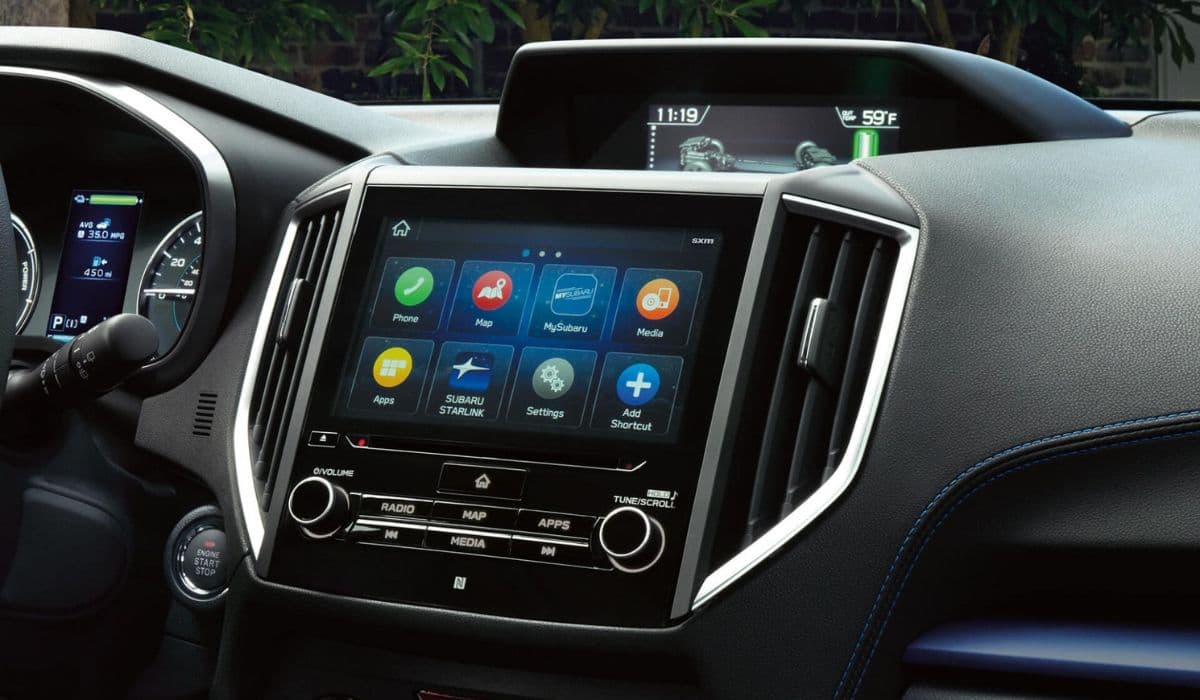
Subaru SiriusXM aggressive ads covering screen irritating
22.01.2026 15:12
Subaru rear seat recline removal in newer models drawback
22.01.2026 10:06
Subaru vs competitors low maintenance costs win
22.01.2026 08:00
Subaru owner satisfaction high due to safety and AWD
21.01.2026 16:55
Subaru brake sensitivity and potential issues noted
21.01.2026 16:17