Tesla Cybertruck off-road review: Real capability or just hype?
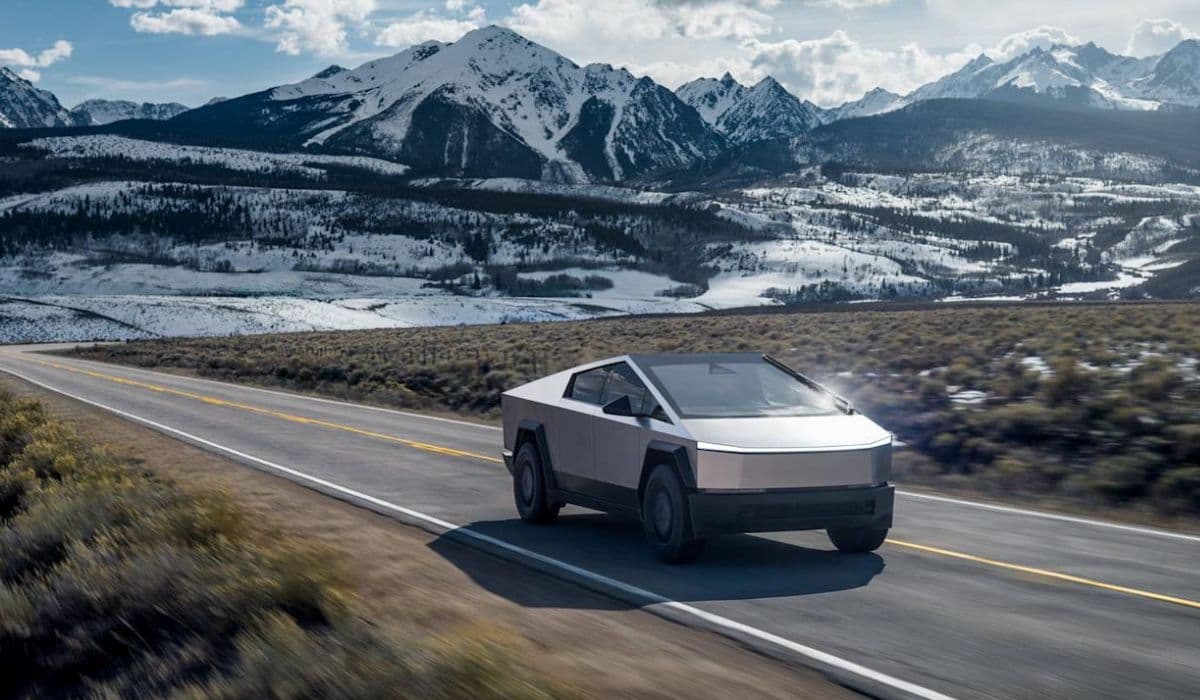
Tesla's Cybertruck has captured the imagination of automotive enthusiasts since its unveiling, promising a blend of futuristic design and rugged utility. But when it comes to off-road performance, does this electric pickup live up to the bold claims made by Elon Musk and the Tesla team? With its angular stainless-steel exoskeleton and all-electric powertrain, the Cybertruck positions itself as a revolutionary alternative to traditional gas-powered trucks like the Ford F-150 Raptor or the Jeep Gladiator. In this detailed review, we'll dive into the specs, real-world experiences, and expert analyses to determine if the Cybertruck's off-road prowess is grounded in reality or inflated by marketing buzz. From tackling rocky trails to navigating muddy terrains, we'll explore what makes this vehicle tick—or potentially stall—in challenging environments.
Design Elements Shaping Off-Road Potential
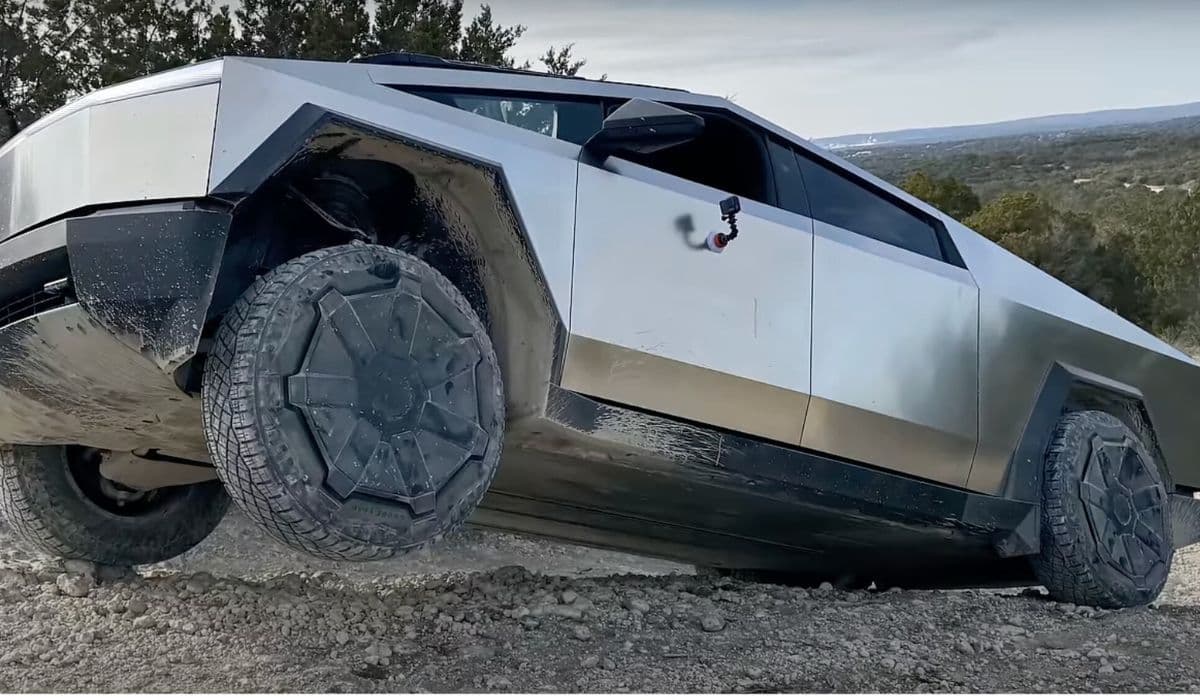
The Cybertruck's design is unlike anything else on the market, starting with its ultra-hard 30X cold-rolled stainless-steel body that resists dents and corrosion far better than aluminum or traditional steel panels. This exoskeleton not only contributes to the truck's cyberpunk aesthetic but also enhances durability in off-road scenarios where branches, rocks, and debris could otherwise cause significant damage. Weighing in at around 6,600 to 6,900 pounds depending on the model, the Cybertruck's heft provides stability on uneven surfaces, but it also raises questions about its agility in tight, technical trails.
One standout feature is the adaptive air suspension system, which allows for adjustable ride height. In its highest setting, the Cybertruck achieves up to 17.4 inches of ground clearance—impressive for a production truck and comparable to dedicated off-roaders like the Toyota Land Cruiser. This system can raise or lower the vehicle by up to 4 inches on the fly, aiding in approach, departure, and breakover angles of 35 degrees, 28 degrees, and 17.4 degrees respectively in the top trim. These angles are crucial for climbing steep inclines or descending without scraping the underbody. Additionally, the vaulted bed, known as the "Cyberbeast" in higher models, integrates seamlessly with the cab, offering a waterproof storage solution that keeps gear dry during river crossings or rainy expeditions.
The truck's four-wheel steering, or steer-by-wire technology, further bolsters its off-road credentials. By allowing the rear wheels to turn in the opposite direction at low speeds, it reduces the turning radius to just 35 feet—tighter than many smaller SUVs. This maneuverability is a game-changer on narrow forest paths or when navigating around boulders. However, critics point out that the lack of a physical steering linkage might feel disconnected to drivers accustomed to hydraulic systems, potentially affecting precision in high-stakes off-road situations.
Powertrain and Performance Specifications
At the heart of the Cybertruck's off-road capabilities is its all-electric powertrain, available in dual-motor, tri-motor, and quad-motor configurations. The base dual-motor model delivers 600 horsepower and 7,435 lb-ft of torque, while the top Cyberbeast variant cranks out a staggering 845 horsepower and over 10,000 lb-ft of torque. This instant torque delivery from electric motors provides superior acceleration and pulling power compared to internal combustion engines, making hill climbs feel effortless. Tesla claims the Cybertruck can tow up to 11,000 pounds and haul a payload of 2,500 pounds, figures that hold up well against competitors in controlled tests.
Battery range is another critical factor for off-road adventures, where charging stations are scarce. The standard 123 kWh battery offers an estimated 340 miles of range for the all-wheel-drive model, dropping to around 320 miles for the Cyberbeast. In off-road mode, efficiency takes a hit due to increased resistance from rough terrain, but regenerative braking helps recapture energy during descents, extending usability in remote areas. Tesla's Off-Road Mode optimizes traction control, distributing power to all four wheels independently via the electric motors, which act as a sophisticated electronic differential. This eliminates the need for mechanical lockers, providing better grip on slippery surfaces like sand or snow without the complexity of traditional systems.
Wading depth is rated at 30 inches, allowing the Cybertruck to ford streams that would submerge lesser vehicles. The sealed battery pack and electric components are designed to withstand water ingress, a boon for adventurers in flood-prone regions. However, early reports from beta testers highlight that the truck's massive 35-inch all-terrain tires, while grippy on dry rocks, can struggle in deep mud due to their road-biased tread pattern. Upgrading to more aggressive off-road tires could mitigate this, but it might compromise on-road handling and range.
Real-World Testing Experiences
Independent reviews and owner feedback paint a mixed picture of the Cybertruck's off-road performance. In a notable test by the automotive channel TFLtruck, the Cybertruck tackled Colorado's Hell's Revenge trail—a notoriously demanding route with slickrock slabs and steep drops. The truck's torque vectoring allowed it to crawl over obstacles with minimal wheel spin, and the air suspension prevented bottoming out on jagged ledges. Drivers praised the quiet cabin, free from engine noise, which enhanced the immersive nature of off-roading.
However, challenges emerged in softer terrains. During a Moab expedition documented by Electrek, the Cybertruck got stuck in loose sand dunes, requiring recovery assistance. The vehicle's weight, combined with the stock tires' limited flotation, caused it to sink rather than skim across the surface. User forums like Cybertruck Owners Club reveal similar stories: one owner in Arizona reported excellent performance on gravel roads but noted battery drain accelerating to 20-30% faster than on highways. In snowy conditions, as tested in Michigan winters, the all-wheel-drive system shone, with stability control preventing skids on icy inclines.
Professional off-roaders, such as those from Overland Expo, have compared the Cybertruck to the Rivian R1T. While the Rivian edges out in pure off-road finesse with its hydraulic cross-linked suspension, the Cybertruck's raw power often compensates, pulling through sections where momentum is key. Tesla's over-the-air updates have already addressed early software glitches, like improving traction algorithms for better low-speed control. Yet, some testers criticize the absence of a low-range gearbox equivalent, relying instead on software-simulated gearing, which might not match the mechanical advantage of geared differentials in extreme rock crawling.
Advantages Over Traditional Off-Road Trucks
The Cybertruck's electric nature brings unique benefits to off-roading. Zero emissions mean it's eco-friendly for sensitive trails, aligning with growing regulations in national parks. The absence of a drivetrain tunnel allows for a flat floor and spacious interior, accommodating gear and passengers comfortably during long excursions. Built-in power outlets, including a 240V outlet in the bed, turn the truck into a mobile generator for camping setups, powering tools, lights, or even other EVs.
Regenerative braking not only conserves energy but also provides engine-braking-like control on descents, reducing brake wear in repetitive downhill scenarios. The armored glass and bullet-resistant body add a layer of safety in remote areas, where wildlife or falling debris pose risks. For overlanders, the integrated tonneau cover and vault secure valuables against theft or weather, a step up from open beds on many pickups.
Limitations and Areas for Improvement
Despite its strengths, the Cybertruck isn't without flaws in off-road contexts. Its 6,000+ pound curb weight can be a double-edged sword—offering traction but increasing the risk of bogging down in soft soil. The angular design, while aerodynamic on roads (with a drag coefficient of 0.335), creates blind spots that complicate spotting obstacles during articulation. Early production models faced recalls for accelerator pedal issues, though these were software-fixed, highlighting potential reliability concerns in harsh environments.
Range anxiety remains a hurdle for extended off-road trips. While Tesla's Supercharger network is expanding, off-grid charging relies on solar panels or portable generators, which aren't always practical. The truck's size—231 inches long and 95 inches wide—makes it cumbersome on tight switchbacks, where smaller Jeeps excel. Moreover, the high-voltage battery system requires careful management to avoid overheating during prolonged high-torque demands, as seen in some dyno tests where thermal throttling kicked in after 10-15 minutes of intense use.
How It Stacks Up Against Rivals
In head-to-head comparisons, the Cybertruck holds its own against electric rivals like the GMC Hummer EV, which boasts similar power but a higher price tag. Against gas-powered icons, such as the Ram TRX with its supercharged V8, the Cybertruck's silent operation and lower operating costs (around $0.03 per mile vs. $0.15 for gas) make it appealing for frequent off-roaders. However, the TRX's mechanical simplicity might appeal to those wary of electronic dependencies.
The Ford F-150 Lightning, another EV truck, offers comparable range but lacks the Cybertruck's ground clearance and torque figures. In a Car and Driver group test, the Cybertruck outperformed the Lightning in a simulated off-road course, thanks to its superior suspension travel of 12 inches front and rear. Yet, for purists, the absence of traditional off-road mods like winches or skid plates (though aftermarket options are emerging) could be a drawback.
Ultimately, the Cybertruck redefines off-road capability through innovation, blending brute force with smart tech. For urban adventurers dipping into trails, it's a capable machine that delivers on much of the hype. Hardcore enthusiasts might find it falls short in specialized scenarios, but ongoing updates could bridge those gaps. As more units hit the dirt, the true verdict will evolve, but early signs suggest it's more substance than spectacle.
More from Tesla

Tesla brake regen: Efficient but pedal feel confuses new owners
23.12.2025 14:35
Tesla battery degradation: Minimal with better management
23.12.2025 12:43
Tesla Highland interior: Premium feel but missing features
23.12.2025 12:40
Tesla Cybertruck range: Strong city but disappointing highway
23.12.2025 12:32
Tesla J.D. Power: High satisfaction despite service waits
23.12.2025 12:29