Tesla Cybertruck range: Strong city but disappointing highway
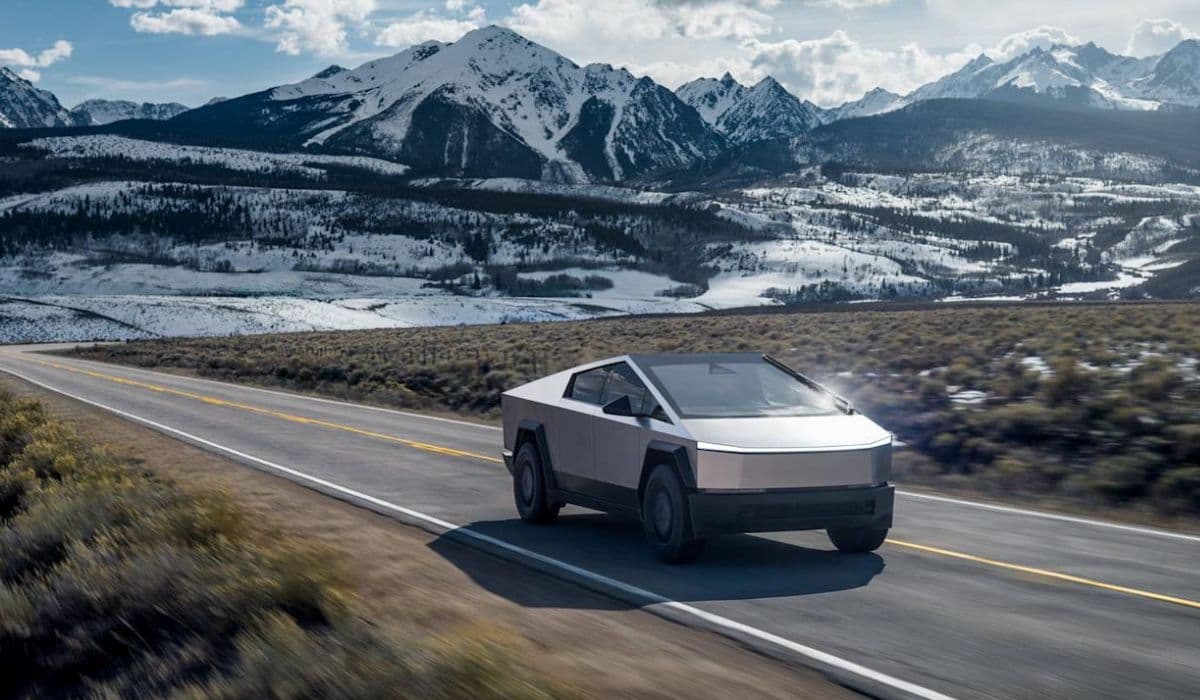
The Tesla Cybertruck represents a bold entry into the electric pickup truck segment, blending futuristic design with advanced electric vehicle technology. At its core, the Cybertruck's range capabilities stem from its sophisticated powertrain and massive battery pack. Depending on the model variant, the Cybertruck comes equipped with either dual-motor all-wheel drive or tri-motor configurations, with the top-tier Cyberbeast offering blistering acceleration but at the potential cost of efficiency.
The standard battery is a 123 kWh pack, which Tesla claims delivers up to 340 miles of EPA-estimated range for the all-wheel drive model under ideal conditions. This estimation factors in a mix of city and highway driving, but real-world performance often diverges significantly based on usage patterns. The vehicle's stainless steel exoskeleton and angular design contribute to its durability, yet they also play a role in energy consumption. Weighing over 6,800 pounds, the Cybertruck's mass demands substantial power to move, especially when towing or carrying heavy loads—capabilities rated up to 11,000 pounds towing and 2,500 pounds payload.
Key to understanding its range is the efficiency rating. Tesla reports around 2.6 miles per kWh in combined scenarios, but this varies. The powertrain includes permanent magnet motors that provide instant torque, making it responsive in stop-and-go traffic. However, the high-voltage architecture, while enabling rapid charging up to 250 kW via Superchargers, doesn't always translate to optimal long-distance travel without careful planning.
Urban Driving Strengths and Efficiency Advantages
In city environments, the Cybertruck shines as an efficient daily driver, often exceeding expectations set by its EPA figures. The secret lies in its regenerative braking system, which captures kinetic energy during frequent deceleration and feeds it back into the battery. Urban driving involves numerous stops—at traffic lights, intersections, and in congestion—allowing the Cybertruck to recoup a significant portion of energy that would otherwise be lost as heat in traditional vehicles.
Real-world data from owners and testers indicate that in city cycles, the Cybertruck can achieve efficiencies upward of 3.0 miles per kWh. For instance, navigating through dense urban areas like Los Angeles or New York, where average speeds hover around 20-30 mph, the vehicle's one-pedal driving mode enhances this recovery process. This mode allows drivers to slow down or stop by simply lifting off the accelerator, minimizing brake wear and maximizing range.
Moreover, the Cybertruck's software optimizations, including adaptive cruise control and Autopilot features, help maintain steady speeds in traffic, reducing unnecessary acceleration bursts that drain the battery. Tire choices also factor in; the standard all-terrain tires provide grip for city maneuvers without excessive rolling resistance at lower speeds. Owners report achieving close to 300 miles or more in pure city driving, making it a strong contender for commuters who rarely venture onto highways. This urban prowess positions the Cybertruck as an ideal vehicle for delivery services, construction sites in metropolitan areas, or even as a family hauler for errands, where its spacious cabin and vault storage add practical value without compromising on range.
Highway Performance Limitations and Energy Demands
On the open road, however, the Cybertruck's range tells a different story, often falling short of the hype surrounding its launch. Highway driving at sustained speeds of 70-80 mph introduces aerodynamic challenges that the vehicle's boxy shape exacerbates. Unlike more streamlined Tesla models like the Model Y or Model 3, the Cybertruck's coefficient of drag—estimated around 0.30—creates higher wind resistance, leading to exponential energy consumption as speed increases.
Tests conducted by automotive reviewers have shown that at highway speeds, efficiency can drop to as low as 2.0-2.2 miles per kWh, translating to a real-world range of just 200-250 miles on a full charge for the base model. This discrepancy arises from several factors: the constant power draw to maintain velocity against air resistance, minimal opportunities for regenerative braking, and the vehicle's substantial frontal area. When factoring in headwinds or elevation changes, such as climbing mountain passes, the range can diminish further, sometimes by 20-30%.
The tri-motor Cyberbeast variant, with its 845 horsepower, amplifies this issue. While it accelerates from 0-60 mph in under 3 seconds, the additional motor and performance-oriented tuning prioritize speed over efficiency, resulting in even shorter highway stints. Cold weather compounds the problem, as battery preconditioning and cabin heating pull extra energy, potentially reducing range by another 10-15%. For long-distance travelers, this means more frequent stops at charging stations, which, despite Tesla's extensive Supercharger network, can extend trip times significantly compared to gas-powered trucks.
Insights from Owner Experiences and Independent Tests
Gathering data from early adopters and professional evaluations paints a nuanced picture of the Cybertruck's range dynamics. Independent tests, such as those performed by engineering firms and automotive media, consistently highlight the urban-highway divide. In one detailed evaluation, a fully loaded Cybertruck achieved 280 miles in mixed city driving but only 210 miles on a highway loop at 75 mph, underscoring the efficiency gap.
Owner forums and social media feedback echo these findings. Many report satisfaction with daily urban use, where the vehicle's torque makes merging and overtaking effortless without taxing the battery excessively. However, cross-country road trips reveal frustrations; one owner documented a journey from California to Texas, noting that actual range hovered around 220 miles per charge on interstates, necessitating charges every 2-3 hours. Software updates from Tesla have aimed to mitigate this, with over-the-air improvements to energy management algorithms, but hardware limitations like the fixed battery size remain a bottleneck.
Environmental variables play a starring role in these insights. In moderate climates, the Cybertruck performs closer to spec, but extreme heat or cold—common on highways spanning diverse terrains—can slash range. Tire pressure, often overlooked, also influences outcomes; underinflated tires increase rolling resistance, further eroding highway efficiency. These real-world anecdotes emphasize that while the Cybertruck excels in controlled urban settings, highway demands require strategic planning, such as route optimization via Tesla's navigation system that predicts energy use based on topography and traffic.
Critical Factors Shaping Overall Driving Range
Several interconnected elements determine how far the Cybertruck can go on a single charge, beyond just driving environment. Battery health is paramount; lithium-ion cells degrade over time, but Tesla's warranty covers up to 70% capacity retention after 8 years or 150,000 miles. Driving style heavily impacts results—aggressive acceleration, common with the Cybertruck's thrilling performance, can reduce range by 15-20%.
Payload and towing introduce additional strain. Hauling the maximum 2,500 pounds in the bed or towing a trailer increases aerodynamic drag and weight, dropping efficiency to below 2 miles per kWh on highways. Accessories like roof racks or off-road modifications exacerbate this. Weather conditions are unavoidable influencers; sub-freezing temperatures slow chemical reactions in the battery, while hot weather strains cooling systems.
Software plays a mitigating role through features like preconditioning, which warms the battery for optimal performance before departure. Charging habits matter too—frequent fast charging can heat the battery, slightly reducing long-term capacity, though Tesla's thermal management is among the best. Altitude and road surface quality add layers; highways with rough pavement or steep inclines demand more energy than smooth urban streets. Understanding these factors allows owners to anticipate and adjust, turning potential disappointments into manageable aspects of ownership.
Competitive Landscape and Range Comparisons
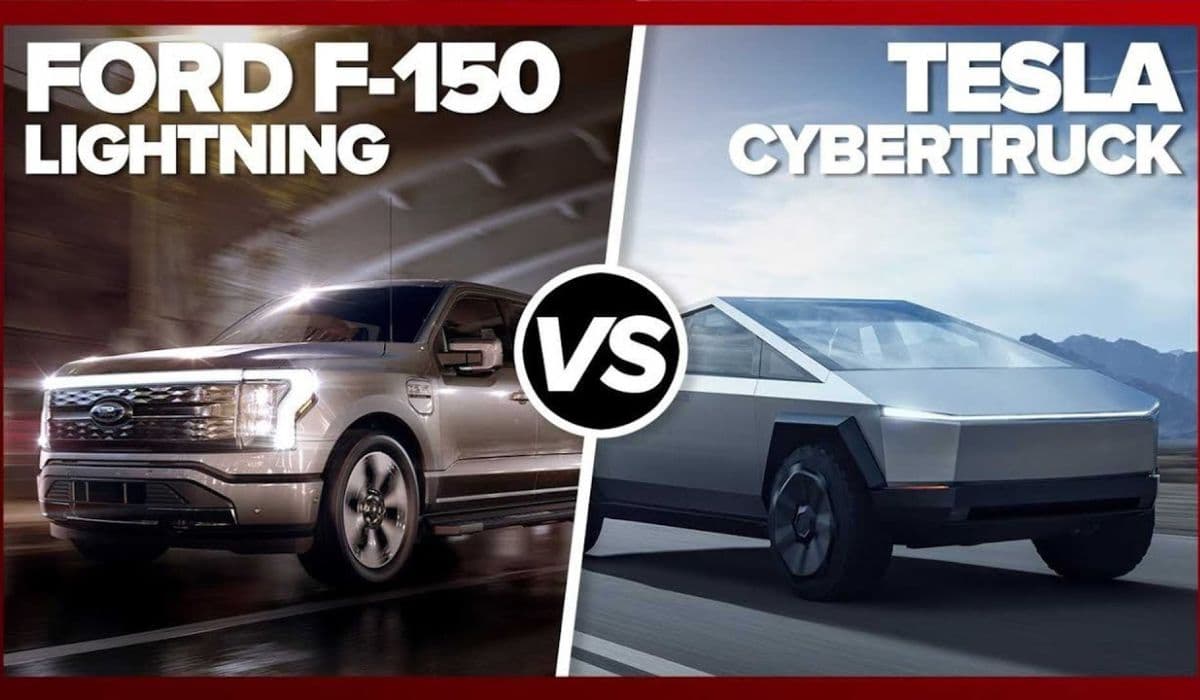
When stacked against rivals in the electric truck arena, the Cybertruck's range profile holds its own in cities but lags on highways. The Ford F-150 Lightning, with its 98-131 kWh batteries, offers EPA estimates of 230-320 miles, but real-world highway tests often yield 200-250 miles, similar to the Cybertruck. However, the Lightning's more conventional shape provides slightly better aerodynamics for long hauls.
Rivian's R1T, another direct competitor, boasts up to 410 miles in its Max Pack configuration, with highway efficiencies around 2.3-2.5 miles per kWh due to a lower drag coefficient. In urban settings, the Cybertruck edges out with superior regenerative tech, but Rivian's lighter build aids overall range. The Chevrolet Silverado EV, with estimates up to 450 miles, sets a high bar, though its availability and pricing make direct comparisons tricky.
Internationally, models like the GMC Hummer EV, while powerful, suffer even more on highways with ranges dipping below 200 miles under load. The Cybertruck's advantage lies in Tesla's ecosystem—seamless integration with home solar setups and Powerwall for cheaper charging—but competitors often provide more conventional truck features like higher towing without as steep a range penalty. This landscape highlights the Cybertruck's niche: innovative urban utility with room for highway improvements in future iterations.
Practical Approaches to Enhance Range Potential
To squeeze the most out of the Cybertruck's battery, drivers can adopt targeted strategies tailored to its strengths and weaknesses. In city use, leveraging one-pedal driving and keeping speeds moderate maximizes regeneration. For highways, maintaining 60-65 mph instead of 75 can boost efficiency by 20-30%, extending range noticeably.
Regular maintenance, such as monitoring tire pressure at 50 psi and aligning wheels, reduces unnecessary drag. Using Tesla's Trip Planner app to avoid steep routes or schedule charges during off-peak times optimizes long trips. Preconditioning the battery via the app before highway departures ensures peak performance, especially in cold weather.
Lightening the load by removing unnecessary cargo or accessories helps, as does eco-mode settings that temper acceleration. For towing, selecting aerodynamic trailers and distributing weight evenly minimizes impact. Over time, as Tesla refines software—perhaps with aerodynamic aids like active spoilers in updates—owners can expect incremental gains. These approaches empower users to bridge the urban-highway gap, making the Cybertruck a versatile choice despite its highway shortcomings.
More from Tesla

Tesla battery degradation after 100K miles: Real owner data
17.12.2025 18:27
Overall Tesla ownership cost 2025: Cheaper than gas after 3 years?
17.12.2025 15:13
Tesla Cybertruck vs Ford F-150 Lightning: Towing and charging showdown
17.12.2025 08:57
2025 refreshed Tesla Model X: Worth upgrading from old raven?
17.12.2025 07:14
Tesla heat pump problems in winter: 2025 still an issue?
17.12.2025 04:02