Tesla brake regen: Efficient but pedal feel confuses new owners
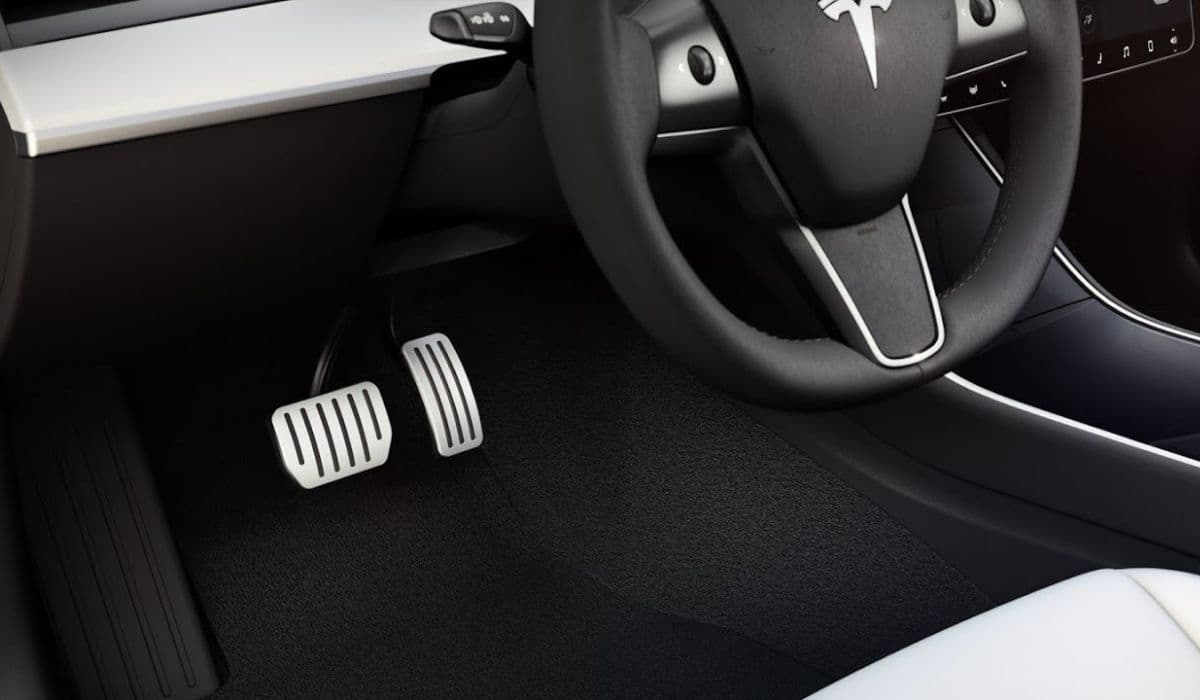
Tesla's regenerative braking system stands out as one of the most innovative features in modern electric vehicles. It captures kinetic energy during deceleration and feeds it back into the battery, boosting overall efficiency. However, this technology introduces a unique pedal feel that often catches new owners off guard, shifting the driving dynamic away from traditional gas-powered cars.
How Regenerative Braking Works in Tesla Vehicles
At its core, regenerative braking—often called "regen"—transforms the electric motors into generators. When you lift your foot off the accelerator pedal, the motors resist forward motion, slowing the vehicle while converting that energy into electricity to recharge the battery.
Unlike conventional friction brakes that dissipate energy as heat, regen recycles it. This process activates automatically whenever the accelerator is released, creating a seamless deceleration. In many Tesla models, it enables "one-pedal driving," where the car can come to a complete stop without touching the brake pedal in most situations.
The power meter on the dashboard visually shows this in action: a green bar indicates energy flowing back to the battery during regen. At low speeds, the system blends in friction brakes if needed for a full stop, especially in "Hold" mode.
Factors like battery state of charge, temperature, or speed can limit regen strength. For instance, a nearly full battery or cold conditions reduce available regen, and the car may automatically apply friction brakes for consistent feel.
The Efficiency Advantages of Strong Regen
Regenerative braking significantly enhances Tesla's real-world range and longevity. By recapturing energy that would otherwise be lost, it extends driving distance, particularly in urban stop-and-go traffic.
Reduced brake wear: Friction brakes see minimal use, often lasting hundreds of thousands of miles with little maintenance.
Energy recovery: In city driving, regen can return a substantial portion of expended energy, improving overall efficiency.
Smoother traffic flow: Anticipating stops allows gradual deceleration, maximizing recapture without abrupt braking.
Environmental benefits: Less energy waste means fewer charging sessions and lower operational impact.
Experienced drivers often report mastering regen leads to hyper-efficient habits, like feathering the accelerator for precise control and optimal energy return.
Why the Pedal Feel Often Confuses New Owners
The strong deceleration when lifting off the accelerator mimics aggressive engine braking but feels alien to those accustomed to coasting in neutral or automatic transmissions.
New Tesla owners frequently describe it as the car "braking on its own" or feeling "jerky" initially. This sensation stems from the immediate torque reversal in the motors, which provides instant slowing without delay.
Sudden lift-off: Fully releasing the pedal engages maximum regen, which can feel abrupt at higher speeds.
No coasting phase: Unlike gas cars, there's little glide; the vehicle actively decelerates to encourage energy recovery.
Passenger discomfort: Quick changes in momentum sometimes cause motion sickness, especially for backseat riders.
Adaptation curve: Drivers from traditional vehicles must relearn modulation—easing off gradually for smooth slowing.
Many report this feel as the biggest adjustment when switching to a Tesla, with some initially preferring milder settings in other EVs.
Tips for Adapting to Tesla's Regen and One-Pedal Driving
Most owners adapt quickly, often within days or weeks, finding one-pedal driving intuitive and addictive once mastered.
Practice modulation: Ease off the accelerator slowly rather than lifting completely for gentler deceleration.
Anticipate traffic: Look ahead to release early, allowing regen to handle slowing naturally.
Use visualization: Watch the power meter to understand energy flow and refine technique.
Experiment in safe areas: Start in low-traffic zones to build confidence in precise stops.
Embrace Hold mode: It automatically engages brakes at stops, eliminating the need to hold the pedal.
Over time, drivers appreciate the control—it reduces fatigue in traffic and makes driving more engaging. Many never want to return to two-pedal setups.
Recent Evolutions in Tesla's Braking System
Tesla continues refining regen for broader appeal. Newer models introduce blended braking, where light brake pedal presses prioritize regen before friction brakes engage.
This provides more consistent feel across conditions and eases the transition for newcomers. It maximizes efficiency even when accelerator lift-off regen is limited, while maintaining one-pedal capability.
These updates address common feedback, blending innovative energy recovery with familiar pedal behavior.
Tesla's regenerative braking exemplifies EV ingenuity: highly efficient yet demanding a shift in driving mindset. While the distinctive pedal feel challenges newcomers, it rewards adaptation with superior range, reduced wear, and a uniquely responsive experience. As more drivers embrace it, regen becomes a hallmark of effortless, sustainable motoring.
More from Tesla
Tesla battery degradation after 100K miles: Real owner data
17.12.2025 15:27
Overall Tesla ownership cost 2025: Cheaper than gas after 3 years?
17.12.2025 12:13
Tesla Cybertruck vs Ford F-150 Lightning: Towing and charging showdown
17.12.2025 05:57
2025 refreshed Tesla Model X: Worth upgrading from old raven?
17.12.2025 04:14
Tesla heat pump problems in winter: 2025 still an issue?
17.12.2025 01:02