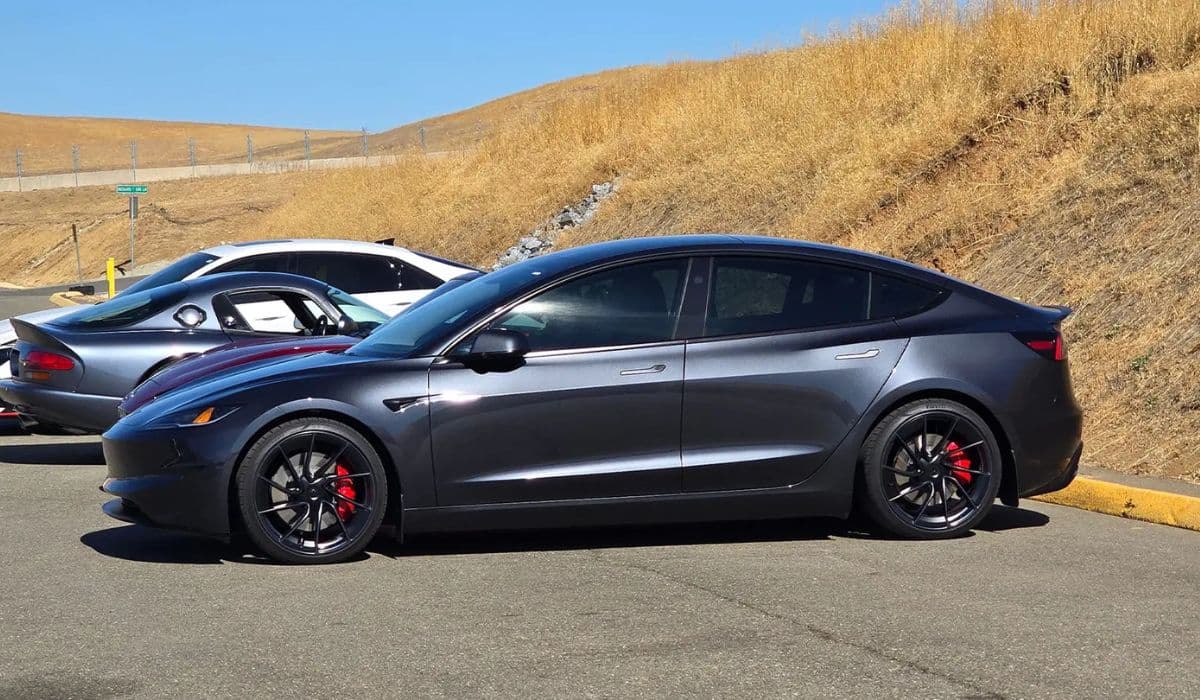
Tesla battery degradation: Minimal with better management
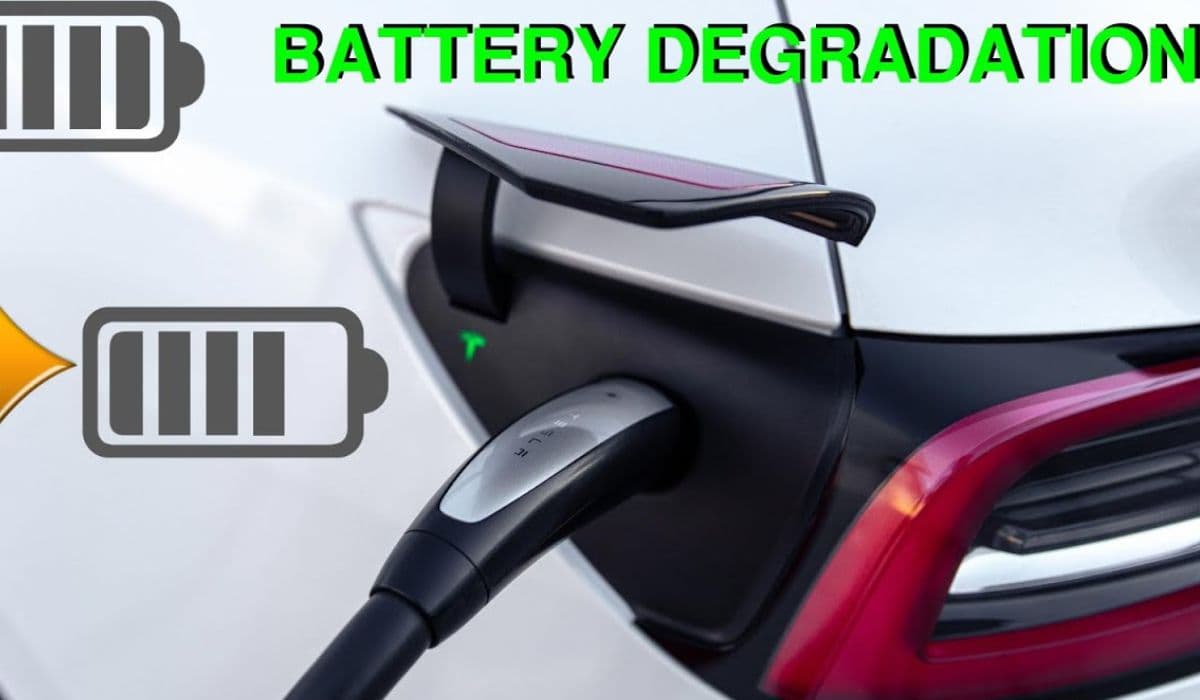
Tesla electric vehicles are renowned for their impressive range and performance, but many owners and prospective buyers wonder about the long-term health of the high-voltage battery pack. Battery degradation—the gradual loss of capacity over time—is a natural process in all lithium-ion batteries. However, Tesla's advanced engineering and proactive owner habits can keep this degradation remarkably low, often preserving over 85-90% of original capacity even after hundreds of thousands of miles.
Understanding Battery Degradation in Tesla Vehicles
Degradation occurs due to chemical changes inside the battery cells, influenced by factors like charge cycles, temperature exposure, and storage conditions. In Tesla vehicles, the process is not linear: the most noticeable capacity loss often happens early, with many owners reporting a 5-8% drop in the initial phases as the battery management system (BMS) calibrates and cells settle.
Real-world data from thousands of Tesla vehicles shows encouraging results. On average, Long Range models retain around 85% capacity after extensive mileage, with some older flagship models holding even stronger. This slow rate means most Tesla batteries outlast the vehicle's typical ownership period without needing replacement, thanks to robust design features that protect against excessive wear.
The Role of Tesla's Advanced Battery Management System
At the heart of Tesla's low degradation rates is its sophisticated Battery Management System (BMS). This intelligent software constantly monitors thousands of individual cells, balancing their voltages, regulating temperatures, and optimizing charge/discharge patterns.
Precise cell balancing prevents uneven wear across the pack.
Active thermal control keeps cells in an ideal temperature window, reducing chemical stress.
Software updates refine algorithms over time, further enhancing protection.
Studies comparing Tesla's liquid-cooled systems to passively cooled batteries in other EVs highlight the difference: Tesla packs degrade significantly slower, especially in challenging climates. The BMS also adapts to usage patterns, limiting extreme states of charge when possible to preserve longevity.
Real-World Degradation Patterns
Fleet data and owner reports paint a consistent picture of minimal long-term loss. High-mileage vehicles often show degradation stabilizing after the initial period, with annual rates dropping to 1-2%.
Early phase: Noticeable calibration-related adjustments.
Mid-term: Slow, steady capacity retention with regular use.
Long-term: Many packs maintain strong performance far beyond average vehicle lifespans.
Factors like pack size and chemistry play a role—larger packs may experience slightly different rates—but overall, Tesla batteries demonstrate exceptional durability compared to industry averages.
Practical Strategies to Minimize Degradation
Owners can actively influence battery health through everyday habits. While Tesla vehicles are designed for convenience, small adjustments yield meaningful benefits over time.
Maintain daily charge levels in the mid-range for routine driving.
Use slower home charging whenever possible to generate less heat.
Precondition the vehicle in extreme weather to ease thermal stress.
Avoid prolonged exposure to very high or low states unless necessary.
Park in moderate environments to reduce passive aging.
These practices complement the BMS, helping keep degradation even lower than baseline averages.
Why Tesla Batteries Excel in Longevity
Several innovations contribute to Tesla's standout performance:
Efficient cooling loops that maintain uniform temperatures across the pack.
Cell chemistries optimized for cycle life and energy density.
Over-the-air updates that continually improve management strategies.
Combined with owner awareness, these elements ensure most Tesla batteries remain highly capable for extensive periods, supporting seamless daily use and long-distance travel alike.
More from Tesla
Tesla battery degradation after 100K miles: Real owner data
17.12.2025 15:27
Overall Tesla ownership cost 2025: Cheaper than gas after 3 years?
17.12.2025 12:13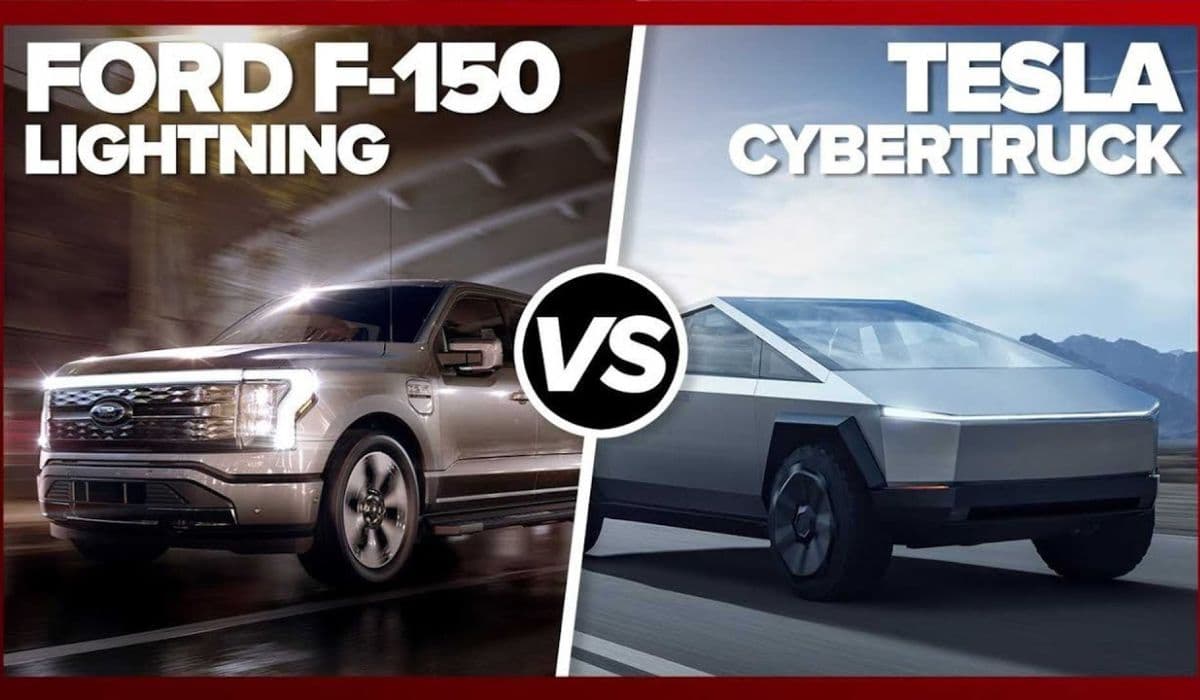
Tesla Cybertruck vs Ford F-150 Lightning: Towing and charging showdown
17.12.2025 05:57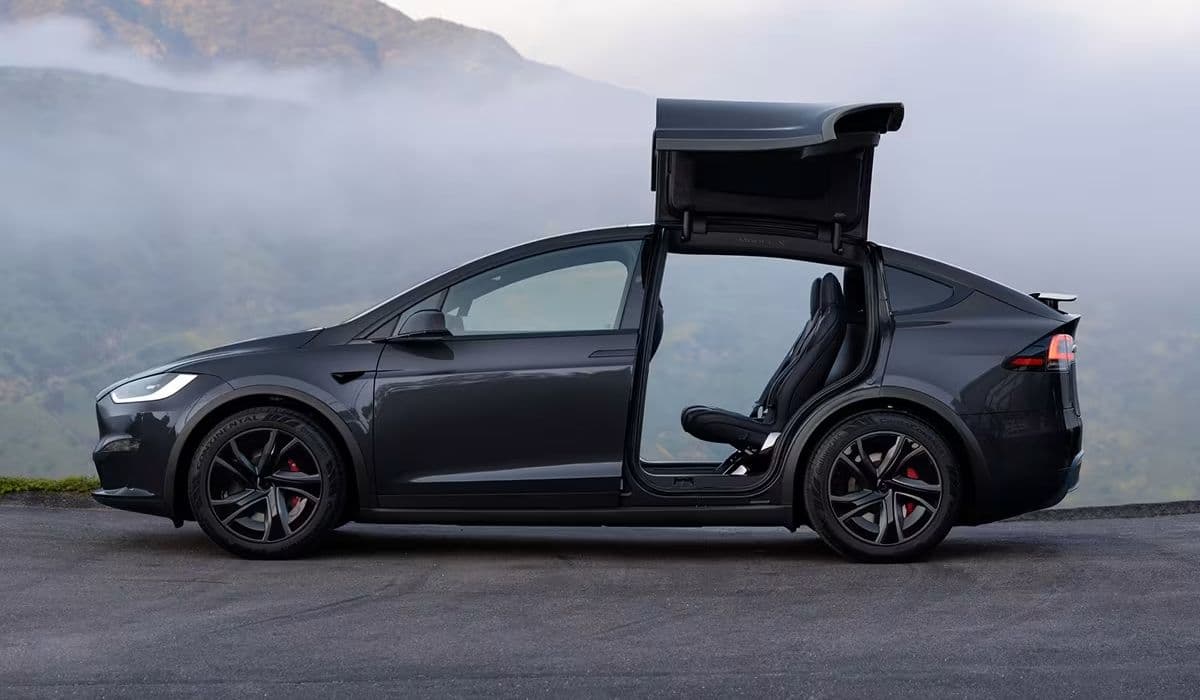
2025 refreshed Tesla Model X: Worth upgrading from old raven?
17.12.2025 04:14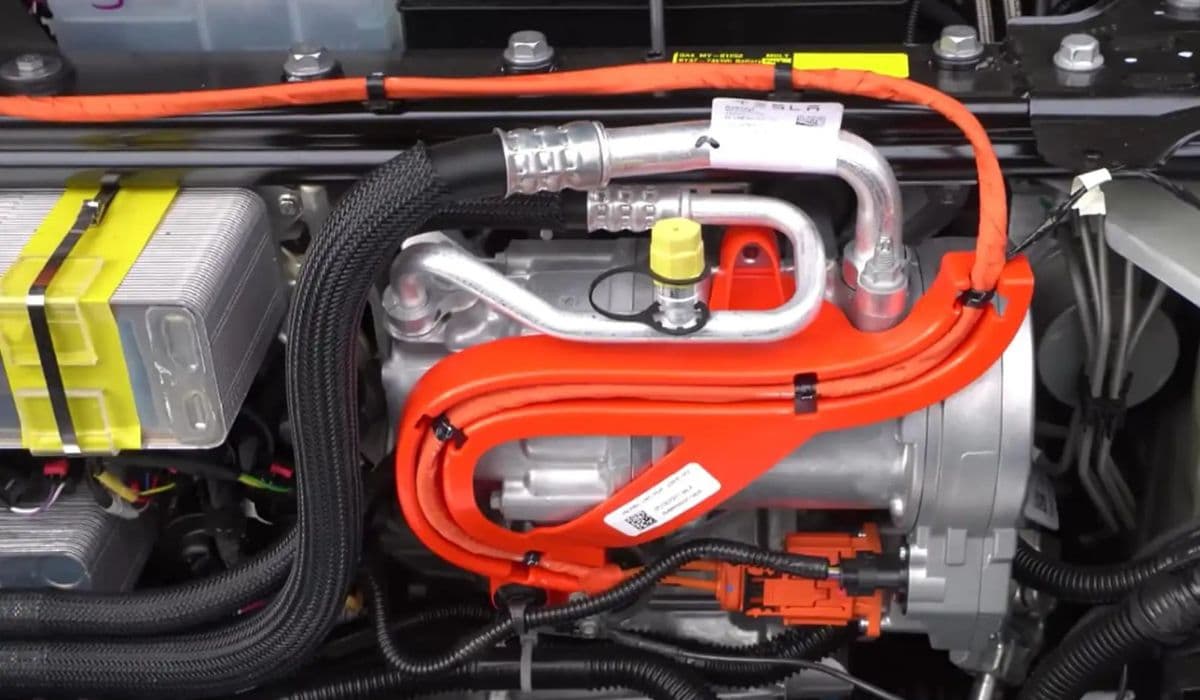
Tesla heat pump problems in winter: 2025 still an issue?
17.12.2025 01:02