Tesla J.D. Power: High satisfaction despite service waits
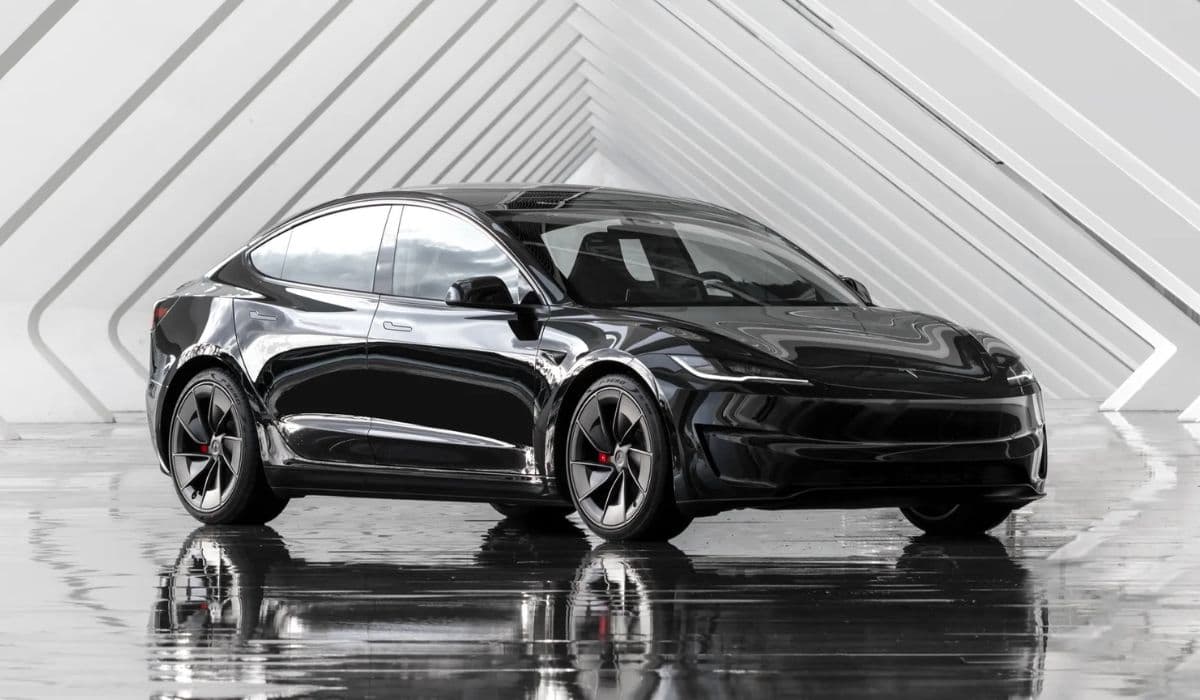
Tesla owners consistently report strong overall satisfaction with their vehicles, even as service experiences present challenges like extended wait times for appointments. Insights from J.D. Power studies highlight this intriguing dynamic, where enthusiasm for innovation and driving performance often outweighs frustrations in post-purchase support.
The Paradox of Tesla Ownership
Tesla vehicles stand out in the automotive landscape for blending cutting-edge technology with exhilarating performance. Owners frequently praise the seamless acceleration, advanced autopilot features, and over-the-air software updates that continually enhance the driving experience. These elements contribute to high scores in areas like emotional attachment and excitement.
Yet, service remains a common point of discussion. Many owners encounter delays when scheduling repairs or maintenance, stemming from high demand and a growing fleet. Despite these hurdles, overall loyalty remains robust, as the core product delights in ways that traditional vehicles struggle to match.
Instant torque and responsive handling create a thrilling drive.
Minimalist interior design focuses on a large touchscreen for intuitive control.
Regular software enhancements add new capabilities without visits to a center.
This combination fosters a sense of ownership that transcends typical expectations.
Key Insights from J.D. Power Studies
J.D. Power evaluations reveal Tesla's strengths in owner appeal and performance. In the Automotive Performance, Execution and Layout (APEAL) Study, Tesla often excels due to significant improvements in categories like powertrain and infotainment. Owners appreciate how the vehicles feel futuristic and engaging on a daily basis.
In contrast, the Customer Service Index (CSI) focuses on dealer or service facility interactions. While traditional brands grapple with similar capacity issues, non-Tesla EV owners tend to report lower satisfaction in recall handling and trust. Tesla's direct model, including mobile technicians who visit homes, helps mitigate some concerns, though appointment availability can lag in busy regions.
Notably, Tesla's estimated service satisfaction aligns closely with industry averages, demonstrating resilience amid growth pains.
What Drives High Satisfaction Levels
Several factors explain why Tesla owners remain enthusiastic:
Innovative Features: Autopilot and Full Self-Driving capabilities, along with entertainment options, keep the experience fresh.
Eco-Friendly Appeal: Zero-emission driving aligns with values of sustainability and efficiency.
Community and Brand Loyalty: A passionate owner base shares tips, organizes events, and advocates for the mission of accelerating sustainable energy.
Over-the-Air Fixes: Many issues resolve remotely via updates, reducing the need for physical service visits.
These aspects create a holistic ownership journey that prioritizes enjoyment over occasional inconveniences.
Service Challenges and Improvements
Wait times for service appointments have become a reality for many EV owners across brands, driven by supply chain constraints and technician shortages. Tesla addresses this through expansions in service centers and increased mobile repair options.
Owners who utilize the app for diagnostics and scheduling often find the process streamlined. When mobile service handles routine tasks—like tire rotations or minor adjustments—at home, satisfaction spikes.
Mobile technicians resolve a growing percentage of issues on-site.
App-based diagnostics preemptively identify problems.
Expanded ranger programs bring expertise directly to driveways.
As infrastructure scales, these efforts aim to shorten delays and enhance convenience.
Comparing Tesla to Traditional Brands
Traditional automakers rely on franchised dealers, which can offer immediate availability but vary in EV expertise. Non-Tesla EV owners sometimes express concerns over recall execution and advisor knowledge.
Tesla's vertically integrated approach ensures consistent branding and direct communication. This fosters deeper trust, even if physical service points are fewer. In APEAL rankings, Tesla frequently outperforms in emotional satisfaction, reflecting how the vehicle itself compensates for service gaps.
Premium brands like Porsche and Lexus lead in dealer service metrics, yet Tesla's unique ecosystem—combining hardware, software, and energy products—builds a differentiated loyalty.
The Future of Tesla Ownership
As Tesla continues to innovate with new models and enhanced autonomy, owner satisfaction shows potential for further gains. Investments in service capacity, including more centers and trained staff, signal commitment to addressing pain points.
The blend of groundbreaking technology and a visionary brand keeps owners engaged. For many, the joys of silent acceleration, instant updates, and contributing to a greener future far eclipse temporary waits.
This enduring appeal underscores why Tesla remains a leader in owner enthusiasm, proving that exceptional products can sustain high satisfaction amid evolving challenges.
More from Tesla
Tesla battery degradation after 100K miles: Real owner data
17.12.2025 15:27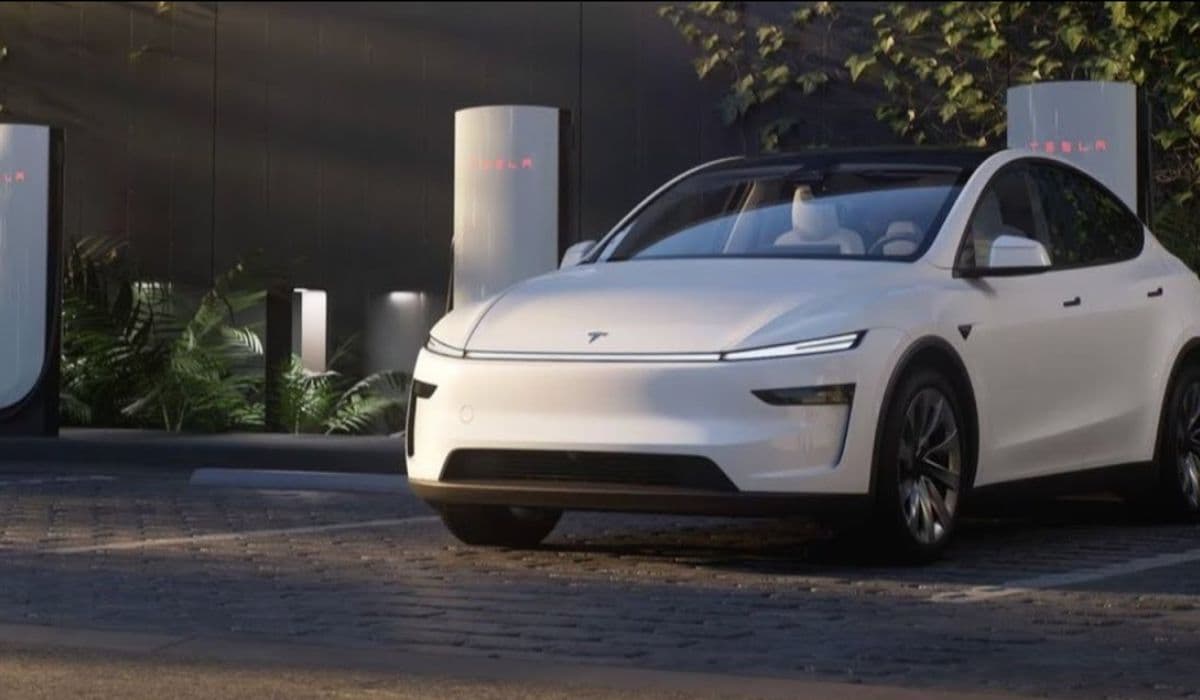
Overall Tesla ownership cost 2025: Cheaper than gas after 3 years?
17.12.2025 12:13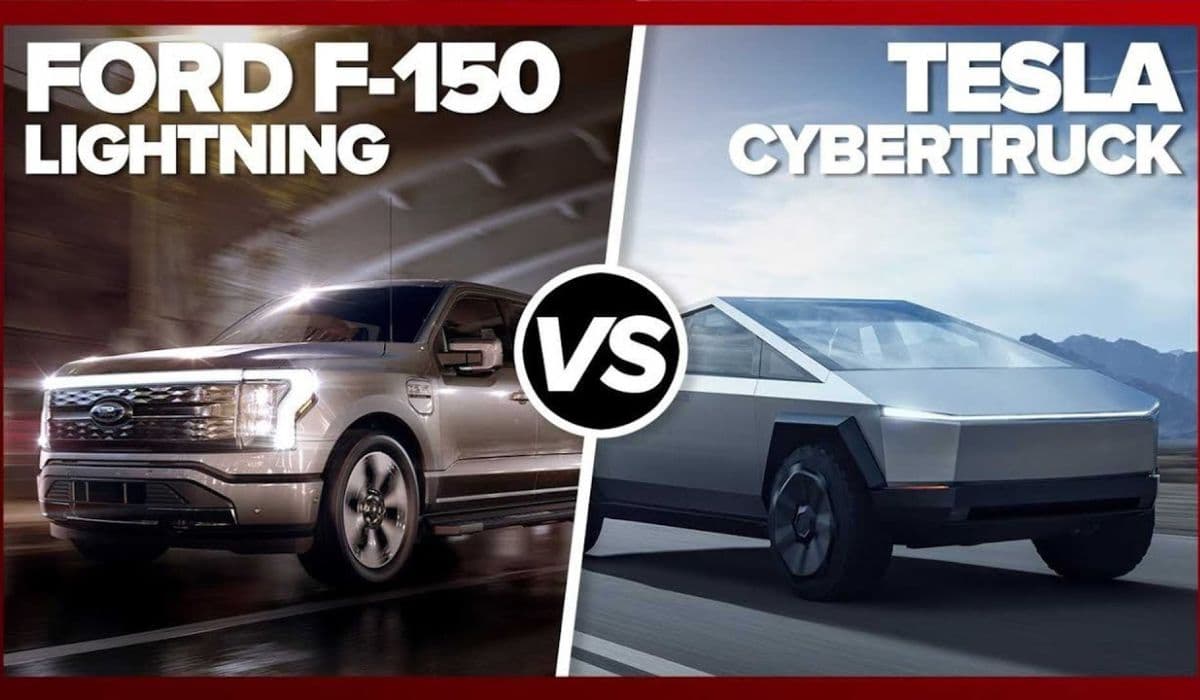
Tesla Cybertruck vs Ford F-150 Lightning: Towing and charging showdown
17.12.2025 05:57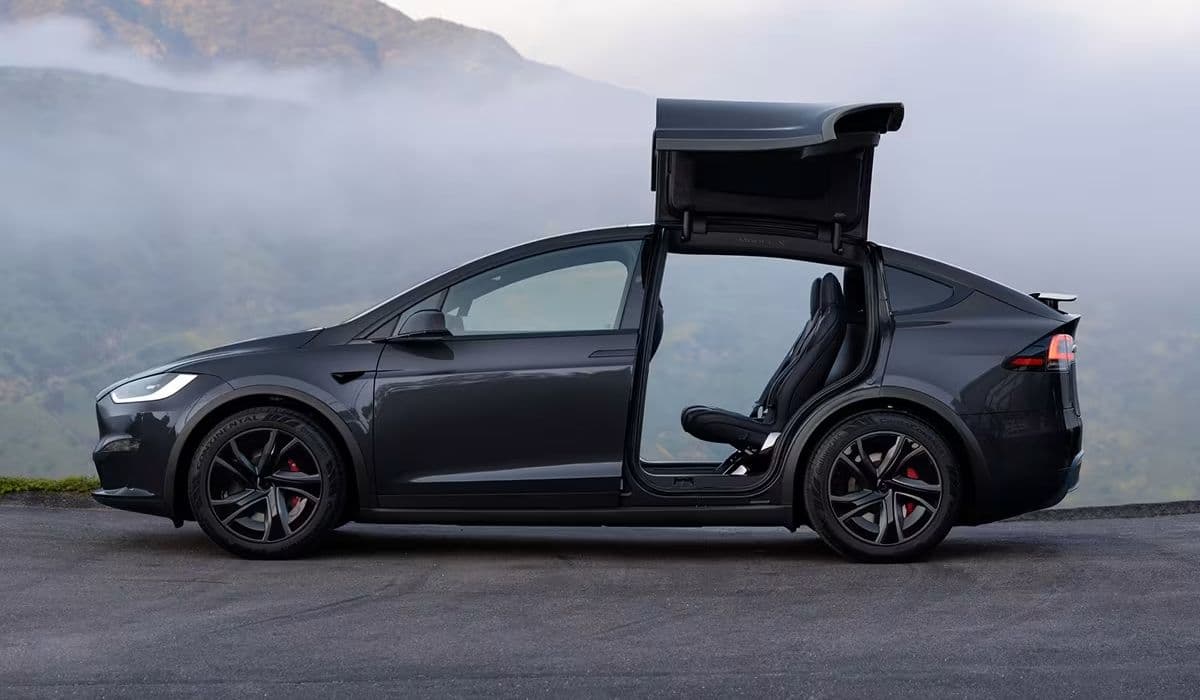
2025 refreshed Tesla Model X: Worth upgrading from old raven?
17.12.2025 04:14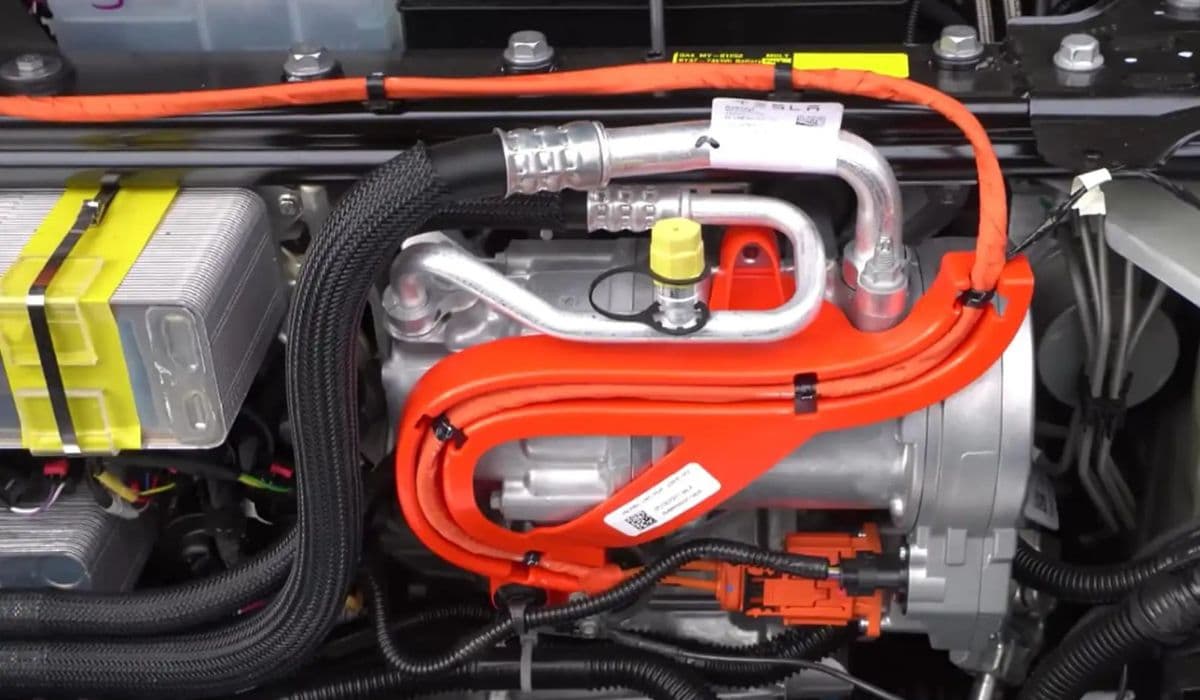
Tesla heat pump problems in winter: 2025 still an issue?
17.12.2025 01:02