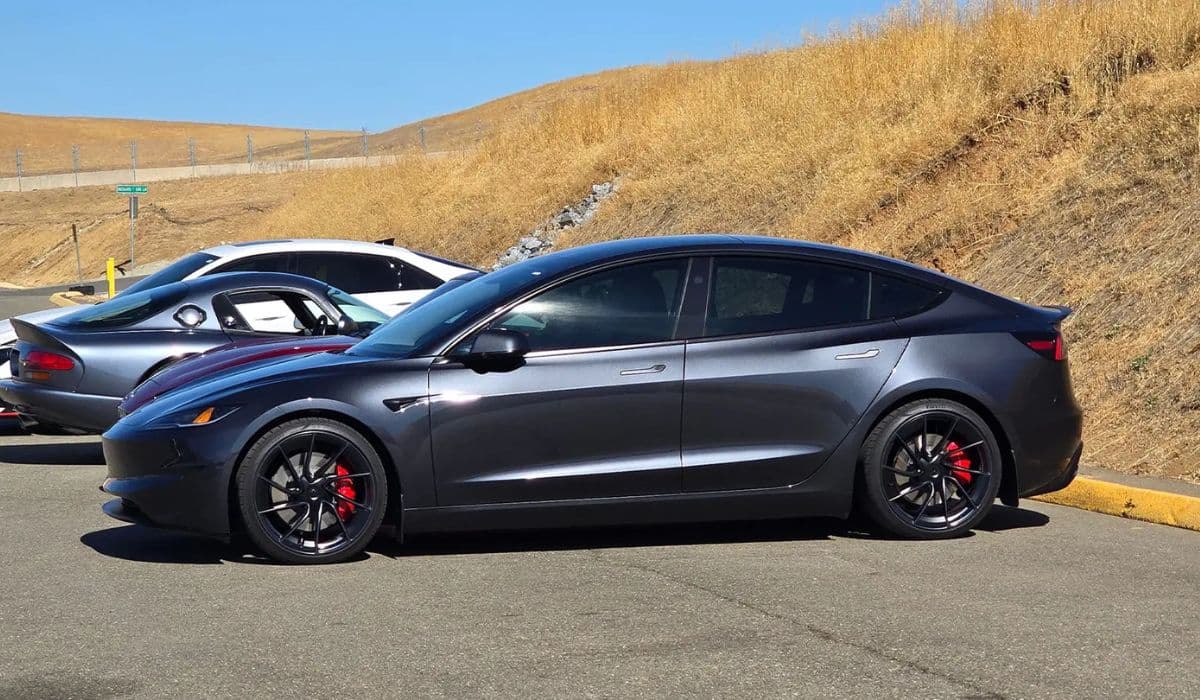
Overall Tesla ownership: Lowest costs but quality variance
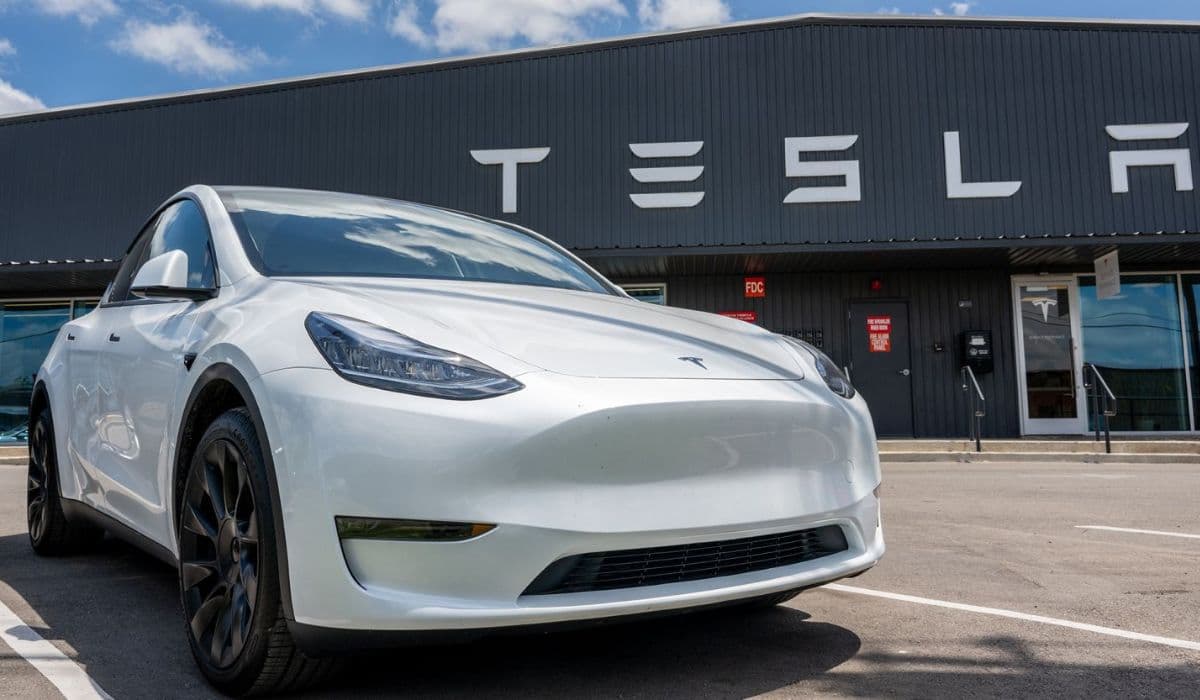
Owning a Tesla stands out in the automotive world for delivering some of the most favorable total ownership expenses over time. Multiple independent analyses consistently show that Tesla vehicles outperform many traditional gasoline cars and even some luxury brands when factoring in all aspects of ownership.
The primary driver behind these savings stems from the electric powertrain's inherent simplicity. With far fewer moving parts than internal combustion engines, Teslas eliminate routine services common to conventional vehicles. This design reduces wear on components and minimizes the need for frequent interventions.
No oil changes or related fluid replacements
Extended brake life thanks to regenerative braking, which recaptures energy and reduces pad wear
Fewer transmission issues, as electric motors deliver power directly without complex gearboxes
Studies from organizations like Consumer Reports highlight Tesla as having the lowest reported maintenance expenses across brands. Over extended periods, these advantages compound, often making Tesla ownership more economical than comparable sedans or SUVs from established manufacturers.
Fueling costs also play a significant role. Charging at home, especially during off-peak hours, proves far more efficient than refueling with gasoline. Many owners report substantial reductions in energy expenses, further widening the gap in overall affordability.
Resale dynamics add another layer. While depreciation affects all vehicles, Tesla models often hold value better in certain markets due to strong demand for used electric cars, high-mileage capability, and ongoing software enhancements that keep older models relevant.
The Reality of Quality Variance in Tesla Vehicles
Despite the financial benefits, Tesla ownership isn't without its challenges, particularly regarding build consistency and reliability. Early adopters and some current owners have noted variations in manufacturing quality that can influence the day-to-day experience.
Common observations include inconsistencies in exterior fit and finish. Panel alignments, paint uniformity, and trim placement have drawn scrutiny in certain production batches. These issues often stem from Tesla's rapid scaling of manufacturing to meet demand, where high-volume output sometimes leads to minor discrepancies.
Interior components can also show variance. Materials and assembly in cabins have improved over time, but some vehicles exhibit creaks, rattles, or electronic glitches that require attention. Software-related quirks, while fixable via over-the-air updates, occasionally affect features like infotainment or driver assists.
Uneven gaps between body panels
Occasional paint imperfections or trim misalignments
Suspension noises in rough conditions
Intermittent sensor or climate system behaviors
Reliability surveys reflect this mixed picture. While newer models demonstrate progress, older or high-mileage Teslas sometimes rank lower in long-term dependability, especially for used vehicles from earlier production eras. Factors like battery management, drive unit durability, and electronic integration contribute to these ratings.
That said, many owners report minimal issues, praising the robust core engineering of the electric drivetrain. The powertrain itself proves highly durable, with few major failures compared to traditional engines.
How Tesla Has Addressed Quality Concerns Over Time
Tesla's approach to improvement sets it apart, relying heavily on iterative manufacturing enhancements and real-world data collection. Factories have incorporated advanced techniques, such as large-scale gigacastings, which replace dozens of individual parts with single components for better structural integrity and consistency.
Recent production runs show marked progress. Vehicles from updated lines exhibit tighter tolerances, refined paint processes, and more precise assembly. Owner feedback indicates fewer delivery-day adjustments needed in contemporary models.
Software plays a crucial role in mitigating hardware variance. Over-the-air updates frequently resolve minor annoyances, enhance features, and even improve efficiency without physical service visits. This capability allows Tesla to refine vehicles post-delivery, something unavailable in most traditional cars.
Service experiences vary, but mobile technicians and remote diagnostics help address issues promptly for many. Warranty coverage remains comprehensive for key components, providing reassurance during the initial ownership phase.
Balancing the Pros and Cons: Is Tesla Ownership Right for You?
Tesla vehicles combine compelling economic advantages with a unique ownership dynamic shaped by quality fluctuations. The low operational expenses and innovative features appeal to those prioritizing efficiency and technology.
For buyers sensitive to fit-and-finish details, inspecting vehicles thoroughly or opting for recent production can minimize potential frustrations. Many find that the performance, range, and ecosystem outweigh occasional variances.
Ultimately, Tesla ownership rewards those who embrace electric mobility's benefits while accepting its evolving nature. The financial edge often proves decisive, turning initial skepticism into long-term satisfaction for a growing number of drivers.
More from Tesla
Tesla battery degradation after 100K miles: Real owner data
17.12.2025 15:27
Overall Tesla ownership cost 2025: Cheaper than gas after 3 years?
17.12.2025 12:13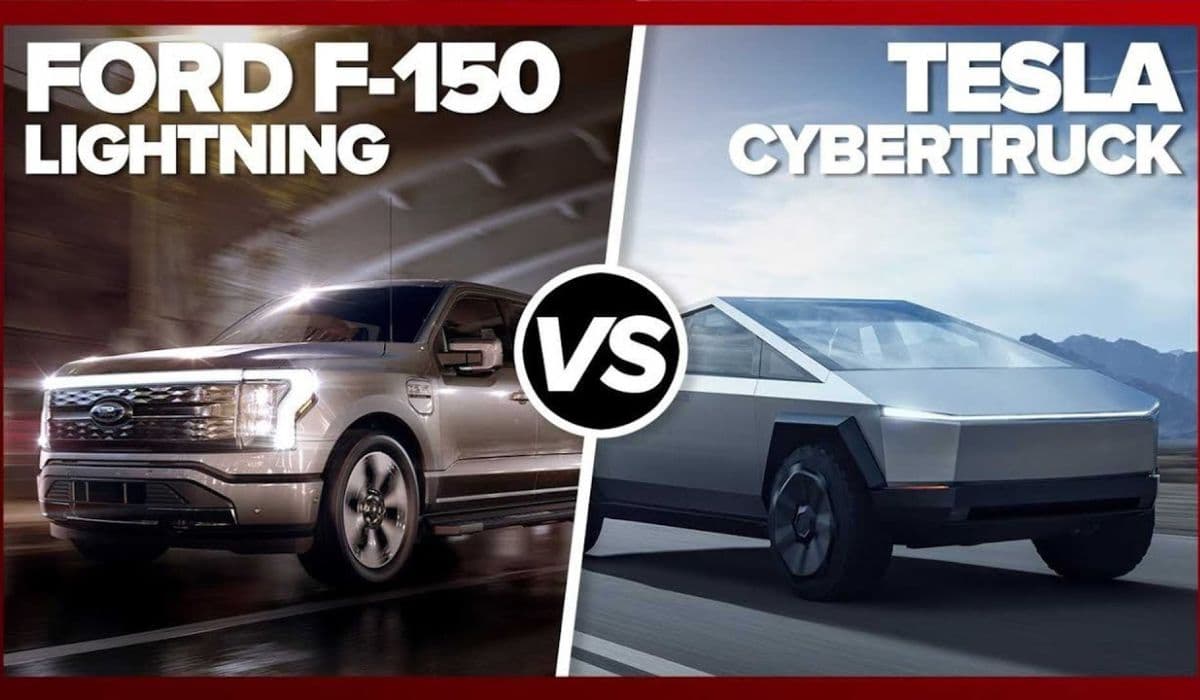
Tesla Cybertruck vs Ford F-150 Lightning: Towing and charging showdown
17.12.2025 05:57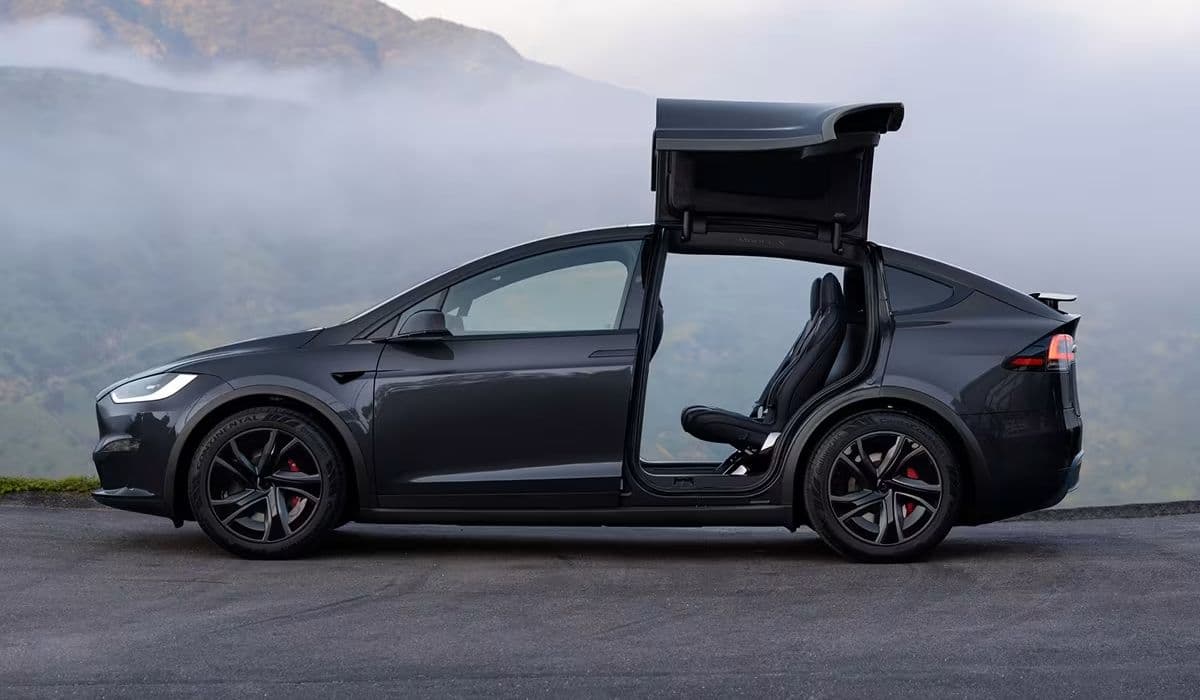
2025 refreshed Tesla Model X: Worth upgrading from old raven?
17.12.2025 04:14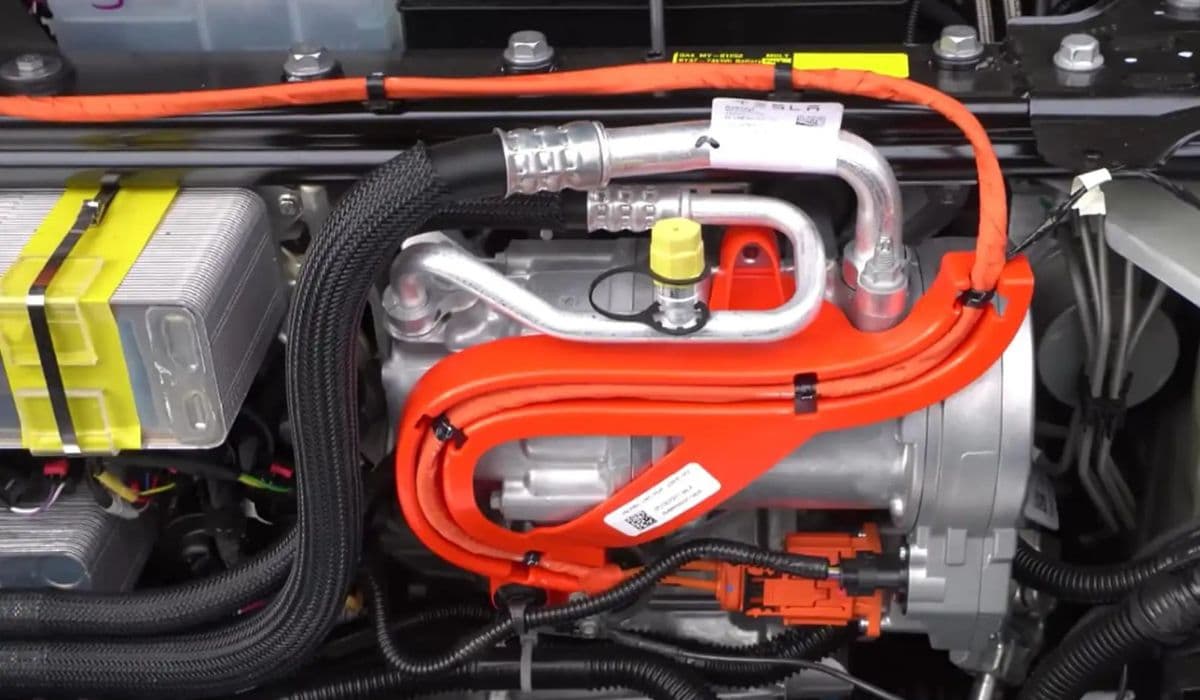
Tesla heat pump problems in winter: 2025 still an issue?
17.12.2025 01:02