Tesla Cybertruck vs Ford F-150 Lightning: Towing and charging showdown
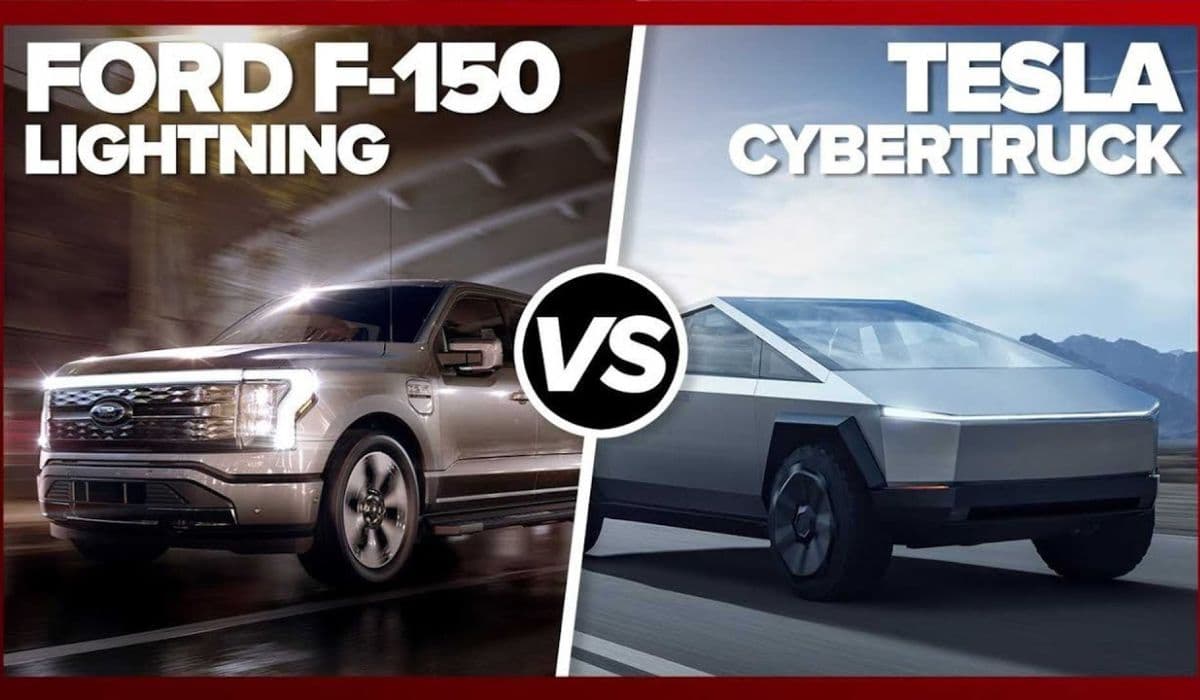
The electric pickup truck segment is heating up, with two standout contenders redefining what heavy-duty hauling looks like in an emissions-free world. The Tesla Cybertruck, with its radical stainless-steel design and futuristic appeal, takes on the Ford F-150 Lightning, a more traditional yet fully electrified version of America's bestselling truck. Both promise impressive capabilities, but when it comes to real-world towing and charging performance, the differences become stark. This showdown dives deep into how these trucks handle demanding loads and quick recharges, drawing from extensive tests and owner experiences.
Towing Capacity and Performance on Paper
At first glance, both trucks are built for serious work, but their specs reveal distinct approaches.
The Cybertruck's dual-motor and tri-motor variants boast a maximum towing rating of 11,000 pounds, paired with a payload capacity up to 2,500 pounds.
The F-150 Lightning tops out at 10,000 pounds when equipped with the extended-range battery and max tow package, with payload reaching around 2,235 pounds in optimal configurations.
The Cybertruck edges ahead in raw numbers, offering that extra 1,000 pounds of towing potential. Both feature instant electric torque for effortless launches, even under load—drivers report smooth acceleration without the hesitation common in traditional trucks. However, towing isn't just about peak ratings; real-world factors like aerodynamics, weight distribution, and battery efficiency play massive roles.
Real-World Towing: Range Hits and Practical Limits
Towing dramatically impacts EV range due to increased drag, rolling resistance, and energy demands. Independent tests highlight how these trucks perform beyond lab estimates.
Early Cybertruck towing trials with moderate loads around 6,000 pounds—such as hauling another vehicle on a trailer—yielded usable ranges of 90 to 150 miles when draining the full battery, translating to about 70-120 miles in practical scenarios (using 75-80% charge to avoid deep discharges). With heavier or less aerodynamic trailers, like a 7,500-pound travel camper, range dipped further, often hovering around 160 miles in mixed highway and rural driving.
The F-150 Lightning shows similar penalties. Tests towing enclosed trailers or campers near its max capacity resulted in ranges of 100-150 miles, with some heavy-load highway pulls dropping below 100 miles. Lighter setups or slower speeds can push it higher, but expect roughly half the unladen range.
Key factors influencing these results:
Aerodynamics: Boxy trailers create massive drag, slashing efficiency more than open loads.
Speed and terrain: Highway cruising at 70 mph accelerates energy use; hills add regenerative gains on descents but steep climbs drain faster.
Temperature: Cold weather exacerbates losses, as seen in winter tests where both trucks struggled more.
Battery size: Larger packs help, but physics limits how far heavy towing can go without frequent stops.
In head-to-head scenarios, the Cybertruck often maintains slight composure advantages thanks to its lower drag coefficient and adaptive air suspension, which optimizes height for towing stability. The Lightning, however, benefits from Ford's towing tech like smart hitch guidance and onboard scales for precise load management.
Charging Showdown: Speed and Network Access
Recharging while towing amplifies the importance of fast, reliable sessions—especially on long hauls where range is already compromised.
The Cybertruck shines here with support for up to 250 kW DC fast charging. In tests, it added over 130 miles in 15 minutes at peak rates, sustaining high speeds longer due to its 800-volt architecture. Access to Tesla's vast Supercharger network provides a seamless experience, with many stations offering pull-through spots (though trailer users sometimes need creative parking).
The F-150 Lightning caps at around 150-180 kW, adding about 54 miles in 10 minutes or reaching 80% in 40-45 minutes. It integrates well with CCS networks, and Ford's BlueCruise hands-free driving eases fatigue during charging waits.
Practical considerations:
Trailer-friendly chargers remain rare for both, often requiring unhitching or occupying multiple stalls.
Preconditioning the battery maximizes speeds, a feature both excel at via apps.
Home charging favors the Lightning's bidirectional capabilities for longer overnight fills, while Cybertruck's efficiency aids daily top-ups.
Overall, the Cybertruck's superior peak rates make it quicker for road warriors, but expanding networks are closing the gap.
Handling Heavy Loads: Stability, Braking, and Driver Feel
Beyond numbers, towing feel matters. The Cybertruck's steer-by-wire system and rear-wheel steering provide nimble maneuvering, even hitched—testers note it feels lighter than its mass suggests, with excellent traction control distributing power intelligently.
The Lightning delivers familiar truck dynamics, with strong regenerative braking aiding control on descents (though it can limit under heavy loads to protect the battery). Both regenerate energy downhill, extending range slightly, but the Cybertruck's four-wheel torque vectoring gives it an edge in slippery or uneven conditions.
Common challenges:
Increased stopping distances under load require anticipation.
Suspension tuning: Cybertruck's adaptive setup absorbs bumps better with trailers.
Noise and ride: Electric silence highlights wind rush from trailers, but both isolate cabin well.
Which Truck Wins for Towing and Charging Demands?
These electric pickups prove EVs can handle tough jobs, but towing exposes the current limitations of battery tech—expect frequent planning around chargers for extended trips. The Cybertruck pulls ahead in max capacity, charging speed, and innovative handling, making it ideal for those prioritizing cutting-edge performance. The Lightning counters with proven truck heritage, smarter towing aids, and broader compatibility.
As infrastructure grows and batteries evolve, both will improve, but today's showdown reveals exciting progress in electrified hauling.
More from Tesla
Tesla brake regen: Efficient but pedal feel confuses new owners
23.12.2025 11:35
Tesla battery degradation: Minimal with better management
23.12.2025 09:43
Tesla Highland interior: Premium feel but missing features
23.12.2025 09:40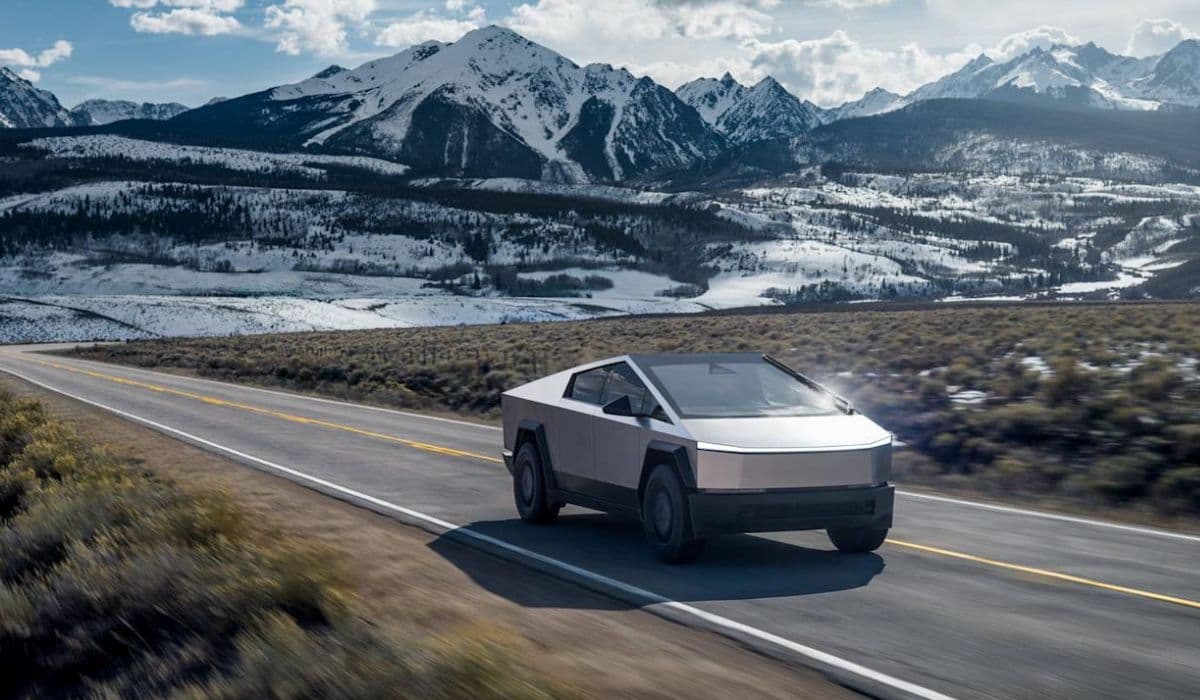
Tesla Cybertruck range: Strong city but disappointing highway
23.12.2025 09:32
Tesla J.D. Power: High satisfaction despite service waits
23.12.2025 09:29