Tesla Model Y 7-seater review: Third-row space still too small?
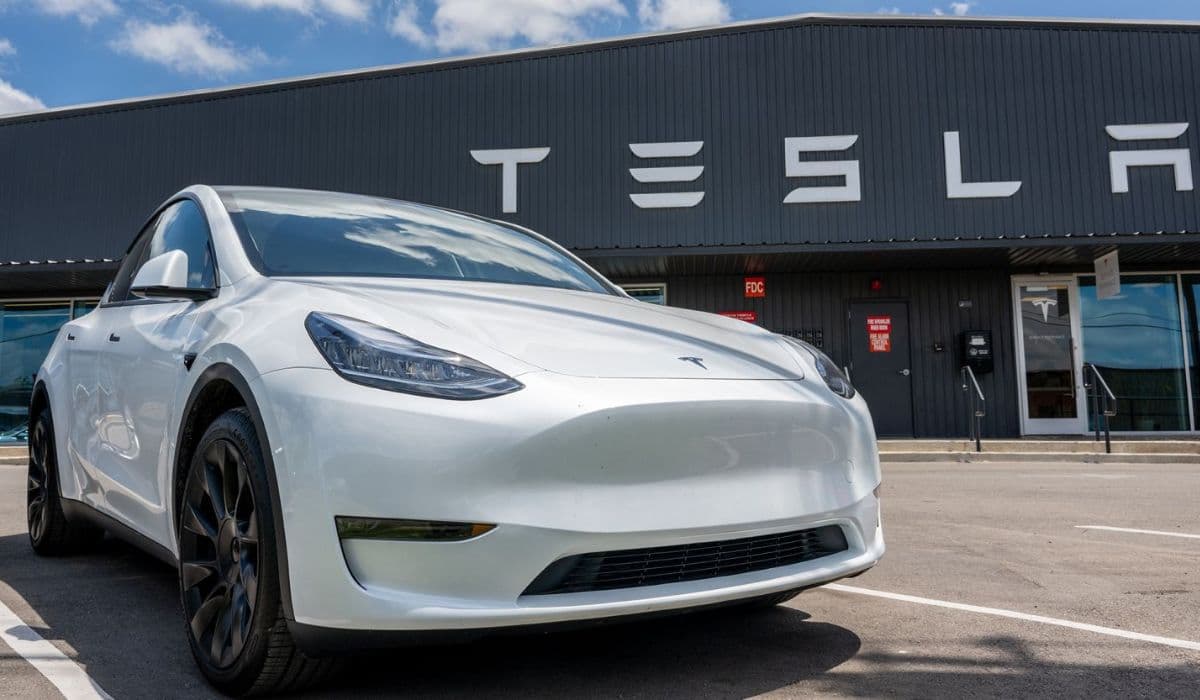
The Tesla Model Y stands out as a versatile electric crossover SUV, blending efficiency, performance, and futuristic design. Introduced with a seven-seater option in 2021, this configuration adds two extra seats in the third row for an additional cost of around $2,500, transforming the standard five-passenger layout into a family-oriented vehicle capable of accommodating up to seven people. Built on Tesla's all-electric platform, the Model Y 7-seater shares the same battery options as its siblings, including Long Range and Performance variants, with ranges up to 320 miles on a single charge depending on the model year and trim.
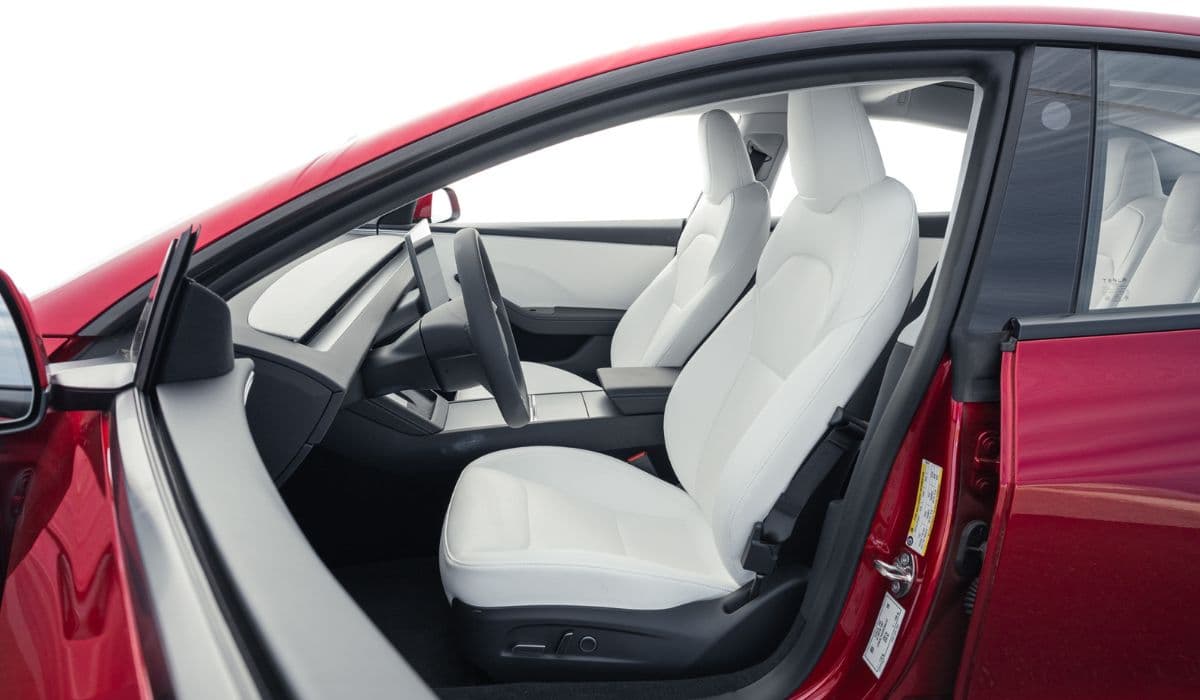
In the 2025 refresh, Tesla focused on interior upgrades like improved material finishes, ambient lighting, and redesigned seats for better support. The cabin maintains its minimalist aesthetic, dominated by a 15.4-inch central touchscreen that controls nearly everything from navigation to climate settings. An optional 8-inch rear touchscreen enhances passenger entertainment, allowing backseat occupants to adjust air conditioning or stream content. However, the seven-seater variant remains a point of debate among owners and reviewers, primarily due to spatial compromises. While the first and second rows offer generous headroom and legroom—around 41 inches of headroom and 41.8 inches of legroom up front, and 39.4 inches headroom with 40.5 inches legroom in the second row—the addition of the third row alters the vehicle's practicality.
This setup appeals to growing families seeking an eco-friendly alternative to traditional minivans or larger SUVs, but it requires weighing the benefits against the limitations. The Model Y's panoramic glass roof creates an airy feel throughout, and standard features like heated seats across all rows add a touch of luxury. Yet, as we delve deeper, the core question persists: does the third row deliver enough space to justify the upgrade?
Diving Into Third-Row Dimensions and Comfort
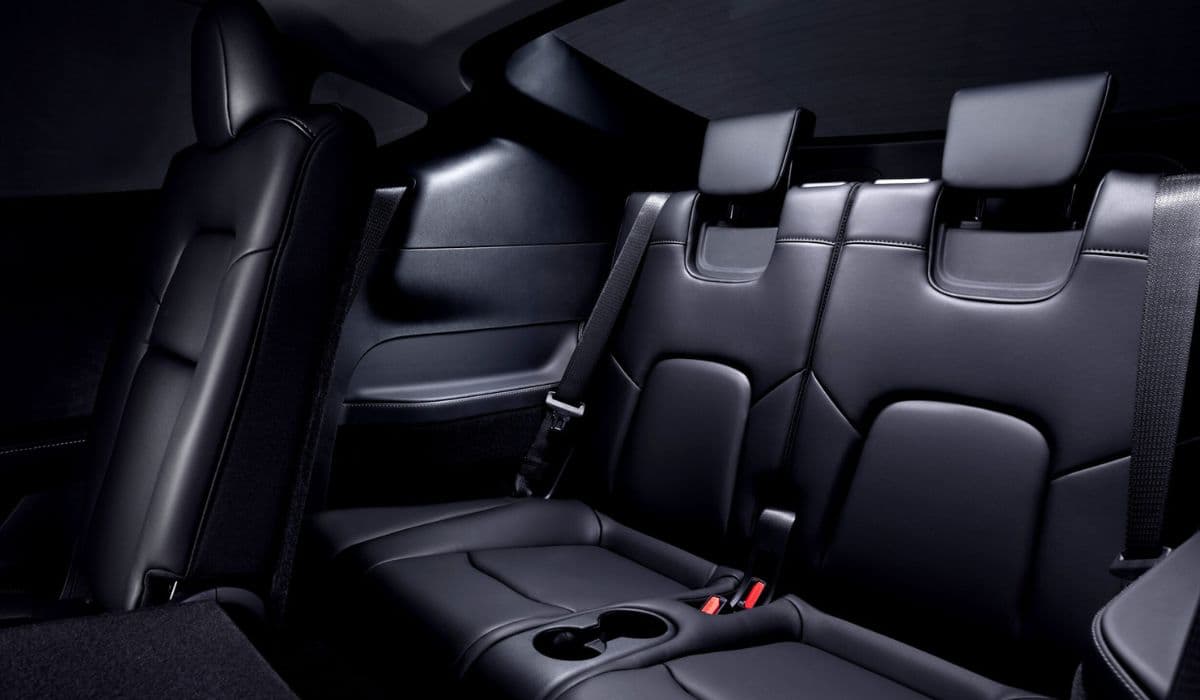
At the heart of the Model Y 7-seater's appeal—and its criticism—is the third-row seating. Measuring in at a mere 34 inches of headroom and 26.5 inches of legroom, these seats are notably compact compared to competitors. Reviewers consistently describe them as "cramped" and suitable primarily for small children or short trips. For instance, adults over 5'8" often report their heads brushing against the roofline, exacerbated by the vehicle's sloping rear design, which prioritizes aerodynamics over passenger volume.
Comfort levels vary based on occupant size. In hands-on tests, the third-row cushions feel firm and lack the contouring found in the front seats, leading to discomfort on longer drives. There's no dedicated climate control for the rearmost passengers, meaning they rely on airflow from the second-row vents, which can be inadequate during hot weather. User feedback highlights this issue, with one owner noting that as children grow, the space becomes "torture" without proper ventilation. The seats themselves fold flat when not in use, but when upright, they offer minimal recline or adjustment options, further limiting usability.
Despite these drawbacks, the third row does provide basic amenities like cup holders and USB ports for charging devices. Tesla's synthetic leather upholstery holds up well, and the overall build quality has improved in the 2025 models, addressing earlier complaints about panel gaps. Still, for taller passengers, the knee-to-seatback clearance is tight, often requiring the second row to slide forward, which then compromises legroom for those in the middle. This domino effect underscores a key flaw: the third row's integration feels like an afterthought rather than a seamless expansion.
Accessibility and Entry to the Rear Seats
Getting into the Model Y's third row involves some gymnastics, particularly for adults. The second-row seats slide forward and tilt to create a pathway, but the opening is narrower than in dedicated three-row SUVs. With a step-in height of about 18 inches, entry isn't overly challenging for agile users, but the process can feel cumbersome when loading children or gear. Wide rear doors help, yet the sloping roofline means taller individuals must duck to avoid bumps.
Once inside, egress follows the same routine, which can be tricky in tight parking spots. Families with car seats appreciate the LATCH system's Acceptable rating from the Insurance Institute for Highway Safety, with anchors for the rear outboard positions, though they're set deep in the cushions, making installation a bit fiddly. In practice, many owners opt to keep the third row folded most of the time, using it only occasionally for extra passengers. This accessibility factor plays a significant role in daily usability, turning what could be a flexible feature into one that's often underutilized.
Impact on Cargo Versatility
One of the Model Y's strongest suits is its storage capacity, but the seven-seater option introduces trade-offs. In the standard five-passenger setup, you get 30.2 cubic feet behind the second row and up to 72.1 cubic feet with seats folded. Adding the third row shrinks this to 12.8 cubic feet behind the rearmost seats, expanding to 26.6 cubic feet when the third row is down and 67.9 cubic feet with all rear seats folded. A 4.1-cubic-foot frunk provides additional space for smaller items, and the power liftgate simplifies loading.
The 2025 updates include electrically folding rear seats, which shave off about 20 liters of total volume but improve convenience. Owners report that even with the third row folded, fitting bulky items like strollers or golf clubs is feasible, thanks to the flat load floor and wide opening. However, upright third-row seats severely limit everyday hauling, such as large grocery runs or weekend gear. One user shared frustration over barely managing a Costco haul with seats down, forgetting the frunk's utility. This configuration forces a choice between passenger capacity and cargo flexibility, making it less ideal for those who prioritize versatility over occasional seven-passenger needs.
Driving Dynamics with Extra Seats
The Model Y's performance remains impressive regardless of seating setup. Dual-motor all-wheel drive delivers instant torque, with 0-60 mph times as low as 4.8 seconds in Long Range models and 3.5 seconds in Performance trims. Handling is agile for an SUV, thanks to a low center of gravity from the floor-mounted battery pack. The added weight of the third-row seats—minimal at around 50 pounds—doesn't noticeably affect acceleration or range, though real-world efficiency might dip slightly with a full load.
Ride quality benefits from the 2025 suspension tweaks, offering a smoother experience over bumps, but the firm setup can transmit road imperfections to rear passengers. Autopilot and Full Self-Driving capabilities enhance long-haul comfort, allowing semi-autonomous highway driving. However, with seven aboard, the vehicle's 4,363-pound curb weight feels more pronounced in corners, though stability control keeps things composed. Overall, the driving experience shines, but the third row's constraints mean it's best enjoyed with fewer occupants.
Safety Considerations for Seven Passengers
Tesla prioritizes safety, and the Model Y earns top marks with a five-star NHTSA rating and IIHS Top Safety Pick+ designation. Structural reinforcements and a rigid battery enclosure provide excellent crash protection. Standard features include automatic emergency braking, blind-spot monitoring, and adaptive cruise control. In the seven-seater, airbags cover all rows, with side curtains extending to the third row.
However, the cramped rear space raises concerns for impact absorption in rear-end collisions. Reviewers note that while the vehicle excels in front and side tests, the third row's proximity to the tailgate could amplify whiplash risks. Families should consider this when deciding on the upgrade, especially for younger riders. Tesla's over-the-air updates continually refine safety software, adding value long-term.
Real-World User Experiences
Feedback from Model Y owners paints a mixed picture. Many praise the electric efficiency and tech-forward cabin but lament the third row's inadequacy. A family of seven described it as "cramped," with growing kids finding it unbearable without air vents. Another user, at 5'8", found headroom decent but legroom tight, deeming it "fine for kids." Toddlers fit well in car seats, but as legs lengthen, space becomes an issue.
On social platforms, discussions highlight the need for a larger variant, with some owners eyeing alternatives due to these limitations. Despite this, the seamless integration of Tesla's ecosystem—app controls, Supercharger access—keeps loyalty high. Real-world range holds up, often exceeding EPA estimates in mild conditions, but heavy loads can reduce it by 10-15%.
Comparing to Competitors
Against rivals like the Ford Mustang Mach-E or Hyundai Ioniq 5, the Model Y 7-seater offers unique all-electric appeal but falls short in rear space. The Kia EV9, a true three-row EV, provides 35.6 inches of third-row legroom, making it more adult-friendly. Similarly, the Rivian R1S boasts expansive interiors at a higher price point. Tesla's edge lies in its charging network and software, but for pure seating capacity, competitors often win out.
Future Prospects: The Model Y Long Version
Looking ahead, Tesla's announcement of the Model Y L—a seven-inch longer variant—promises improvements. Debuted in China for autumn 2025, it features a redesigned C-pillar, new wheels, and enhanced third-row legroom with ventilated seats. This could address current complaints, offering a true three-row experience at Model Y pricing. U.S. production might start late 2026, though self-driving advancements could influence plans. For now, the standard 7-seater serves as a stopgap, but the L model hints at a more spacious evolution.
More from Tesla

Tesla brake regen: Efficient but pedal feel confuses new owners
23.12.2025 14:35
Tesla battery degradation: Minimal with better management
23.12.2025 12:43
Tesla Highland interior: Premium feel but missing features
23.12.2025 12:40
Tesla Cybertruck range: Strong city but disappointing highway
23.12.2025 12:32
Tesla J.D. Power: High satisfaction despite service waits
23.12.2025 12:29