Tesla Model Y vs Rivian R1S: Family SUV comparison 2025
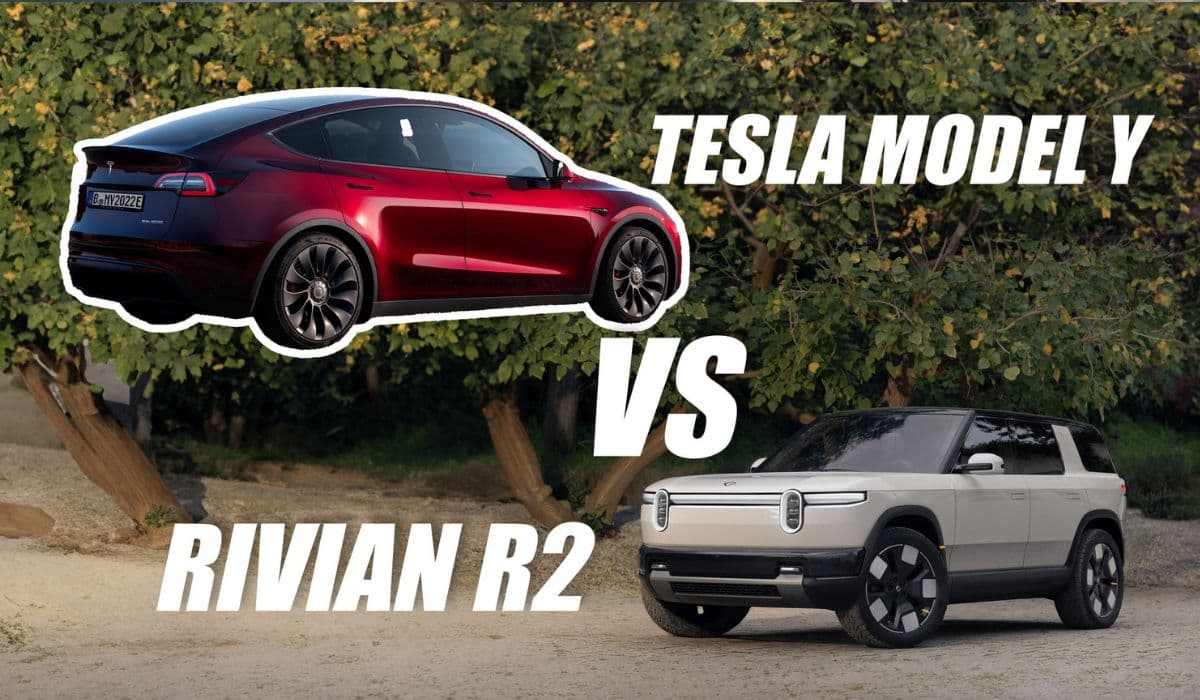
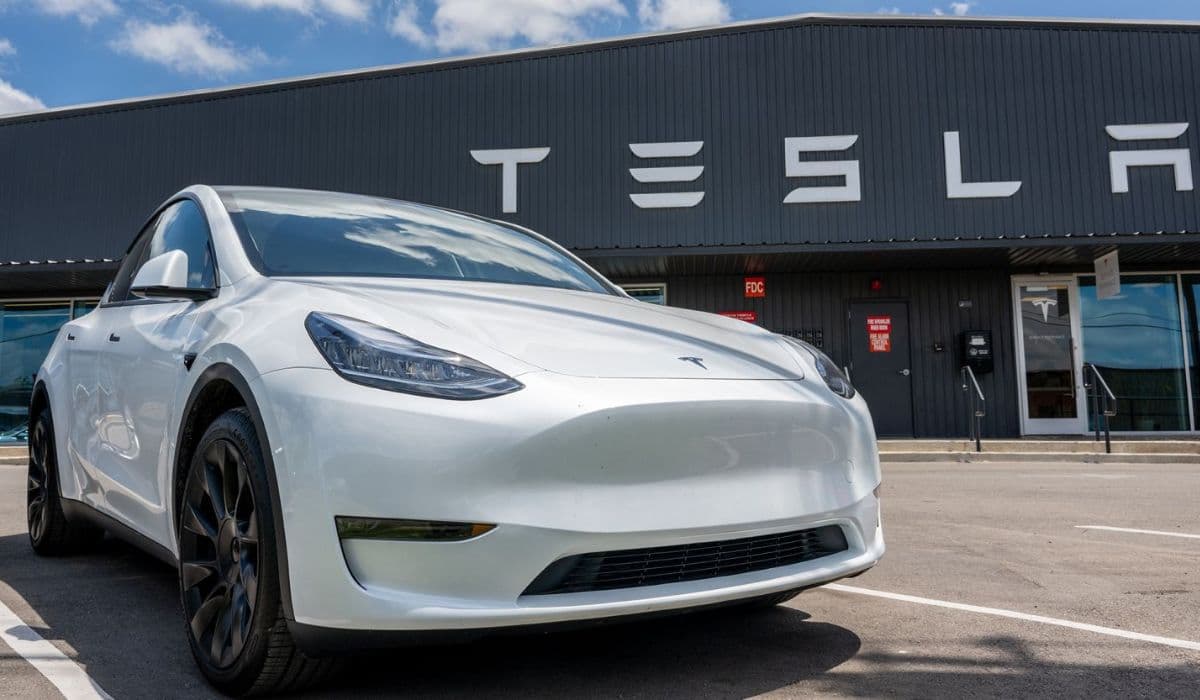
The Tesla Model Y features a sleek, aerodynamic profile with smooth curves and a minimalist aesthetic that blends seamlessly into urban environments. Its refreshed design includes a continuous front light bar and refined lines that enhance its futuristic appeal, making it look agile and modern on the road.
In contrast, the Rivian R1S adopts a more rugged, boxy stance reminiscent of traditional adventure SUVs. With bold oval headlights, a prominent grille-like facade, and higher ground clearance, it exudes capability and presence, ideal for those who want a vehicle that stands out on trails or in suburban driveways.
Both vehicles turn heads, but the Model Y prioritizes efficiency through its low-drag shape, while the R1S emphasizes durability and off-road readiness.
Interior Space and Family Comfort
When it comes to accommodating a family, space is crucial. The Rivian R1S shines as a true three-row SUV, offering genuine seating for up to seven passengers. The third row provides ample headroom and legroom for adults on shorter trips, making it suitable for larger families or carpools.
Spacious second-row seats with easy access
Generous headroom even in the rearmost seats
Flexible folding options for varied passenger-cargo needs
The Tesla Model Y, available with an optional third row, is more compact overall. Its seven-seat configuration works better for children in the back, as the third row feels tighter with limited headroom due to the sloping roofline.
Excellent front and second-row comfort
Panoramic glass roof for an airy feel
Power-adjustable seats in refreshed models for added convenience
For growing families needing regular use of all seats, the R1S delivers superior versatility and roominess.
Cargo Capacity and Practicality
Families haul a lot—groceries, sports gear, strollers, and luggage. The Rivian R1S offers impressive utility with multiple storage zones, including a large frunk, under-floor compartments, and a gear tunnel.
Up to 104.7 cubic feet with seats folded
Split tailgate for easy loading during outdoor activities
Ample space behind the third row for daily needs
The Model Y counters with clever design, providing a low load floor and a massive frunk.
Around 76 cubic feet maximum cargo volume
More space behind the second row than many rivals
Hidden under-floor storage in the rear
While both handle family hauling well, the R1S edges ahead for adventure gear or bulkier items, thanks to its larger overall volume.
Performance and Driving Dynamics
Both SUVs deliver exhilarating electric performance. The Tesla Model Y accelerates swiftly with instant torque, offering responsive handling that feels nimble in city traffic and on highways.
Precise steering and low center of gravity
Smooth, quiet ride enhanced by recent refinements
Options for dual-motor all-wheel drive
The Rivian R1S brings more power options, including tri- and quad-motor setups for blistering launches and superior traction.
Exceptional off-road modes with air suspension
Hydraulic roll control for composed handling
Towing prowess for boats or trailers
On pavement, the Model Y feels more efficient and agile, while the R1S excels in mixed conditions, blending SUV stability with sports-car thrill.
Range, Efficiency, and Charging
Efficiency matters for family road trips. The Tesla Model Y leads with superior energy use, achieving higher MPGe ratings and longer real-world distances on a charge.
Optimized aerodynamics for minimal energy loss
Access to an extensive Supercharger network
Quick charging capabilities
The Rivian R1S, with larger battery options, provides competitive range but consumes more due to its size and weight.
Heat pump for better cold-weather performance
Growing fast-charging compatibility
Adventure-focused energy management
For frequent long drives, the Model Y's efficiency and infrastructure give it an advantage.
Technology and Driver Assistance
Tesla's ecosystem sets a high bar with a massive central touchscreen controlling nearly everything, over-the-air updates, and advanced autonomy features.
Intuitive navigation and entertainment integration
Full Self-Driving capability options
Streaming services and games built-in
Rivian counters with a user-friendly interface, premium audio, and evolving assist systems.
Clear digital displays and voice controls
Off-road-specific visualizations
Regular software enhancements
The Model Y offers a more mature, feature-rich tech experience, while the R1S focuses on adventure-oriented tools.
Safety Features
Both prioritize protection with strong crash ratings and comprehensive suites.
The Model Y includes:
Multiple airbags and rigid structure
Advanced collision avoidance
High safety scores from testing agencies
The R1S matches with:
Robust build and knee airbags
360-degree cameras
Driver monitoring systems
Families can feel secure in either, thanks to proactive tech and solid engineering.
Which One Suits Your Family Best?
Choosing between these electric family SUVs depends on priorities. The Tesla Model Y excels in efficiency, tech integration, and urban practicality, making it ideal for daily commutes and efficient travel.
The Rivian R1S appeals to those seeking space, adventure capability, and a premium feel for outdoor lifestyles. Ultimately, both represent the future of family transportation—silent, powerful, and emissions-free.
More from Tesla
Tesla brake regen: Efficient but pedal feel confuses new owners
23.12.2025 11:35
Tesla battery degradation: Minimal with better management
23.12.2025 09:43
Tesla Highland interior: Premium feel but missing features
23.12.2025 09:40
Tesla Cybertruck range: Strong city but disappointing highway
23.12.2025 09:32
Tesla J.D. Power: High satisfaction despite service waits
23.12.2025 09:29