Tesla heat pump problems in winter: 2025 still an issue?
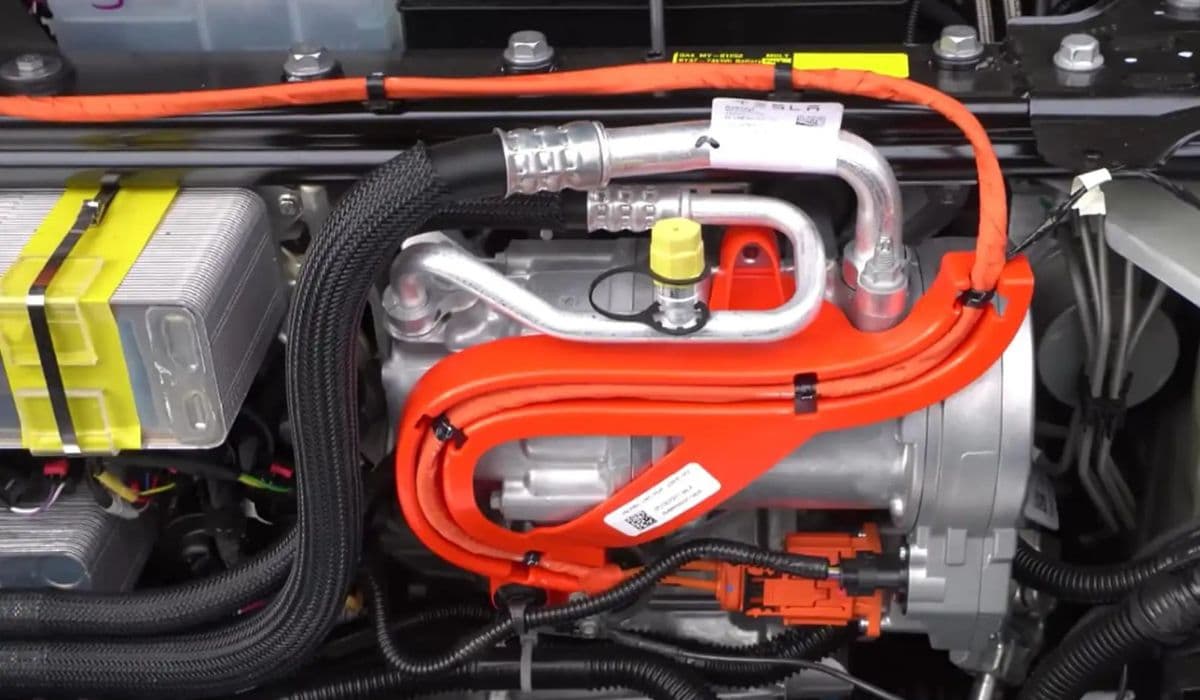
Tesla's innovative heat pump system revolutionized cabin heating in electric vehicles by promising greater efficiency and reduced range loss during cold weather. Introduced to capture and redistribute waste heat from the battery and motors, it marked a significant upgrade over traditional resistive heaters. However, owners in frigid climates have long debated its reliability when temperatures plummet. As winter grips northern regions once again, questions persist about whether these challenges remain relevant today.
How Tesla's Heat Pump Works and Why It Matters in Cold Weather
At its core, the heat pump operates like a reverse air conditioner, extracting ambient heat—even from sub-zero air—and transferring it to the cabin. Tesla enhanced this with the Octovalve and Super Manifold, intelligent components that route coolant efficiently across the vehicle. This setup scavenges heat from multiple sources, including the drive units and battery pack.
Key advantages include lower energy draw for heating compared to resistive elements.
It minimizes range penalties by reusing waste heat rather than generating it anew.
In moderate cold, it can maintain cabin comfort while preserving more battery capacity.
Yet, extreme lows test its limits. Heat pumps generally struggle below certain thresholds because there's less ambient heat to harvest, forcing the system to work harder or fall back on supplemental methods.
Common Heat Pump Challenges Reported by Owners
Over the years, Tesla owners in cold climates like Canada, Scandinavia, and the northern U.S. have shared experiences of inconsistent performance during deep freezes.
Unusual noises, such as grinding or rattling, often emerge when the system activates in wet, near-freezing conditions.
Ice buildup on external components can trigger sensors, reducing efficiency or causing temporary shutdowns.
Compressor strain in prolonged extreme cold has led to error codes and, in some cases, full failures requiring service.
Sudden loss of cabin heat, leaving drivers reliant on seat heaters, has been a frustrating recurring theme.
These issues tend to surface more in vehicles exposed to rapid temperature swings or slushy road conditions, where moisture infiltrates intake areas.
Improvements and Evolutions in Recent Models
Tesla has iteratively refined the heat pump through hardware revisions and software updates. Newer compressors from reliable suppliers like Denso have shown better durability. Enhanced manifolds and valve calibrations help manage refrigerant flow more effectively.
Over-the-air updates have addressed valve positioning and sensor glitches that plagued earlier versions.
Waste heat recovery has been optimized, allowing the system to pull warmth from more vehicle components.
Real-world tests indicate newer iterations handle moderate winters with far less drama, warming cabins quicker and more consistently.
Owners of refreshed models often report smoother operation, with the system adapting better to varying conditions.
Real-World Performance in Extreme Conditions Today
In current winters, the heat pump excels in typical cold snaps, delivering efficient heating and limiting range impact to manageable levels. Many drivers note only moderate efficiency dips, thanks to preconditioning and recirculate modes.
Preconditioning the cabin and battery before departure warms components proactively.
Using seat and steering wheel heaters reduces demand on the main system.
Avoiding defrost modes that pull in excessive outside air helps maintain warmth.
Parking in sheltered spots minimizes ice accumulation on critical parts.
However, in sustained sub-zero extremes or with heavy snow exposure, some vulnerabilities linger. Forums still buzz with occasional reports of noises or reduced output, though outright failures appear less widespread than in early implementations.
Owner Tips for Optimizing Winter Heating
Experienced Tesla drivers in snowy regions have developed strategies to maximize reliability.
Regularly clear snow from the front intake and hood areas to prevent blockages.
Enable cabin overheat protection or scheduled preconditioning via the app.
Monitor for unusual sounds and address them early through service requests.
Combine heated surfaces with lower fan speeds for efficient warmth.
These habits often transform a potentially finicky system into a dependable one.
The heat pump remains a cornerstone of Tesla's thermal management, offering clear efficiency gains over older methods. While past winters highlighted growing pains, ongoing refinements have made it more robust. For most owners, it performs admirably, but those in the harshest climates should stay vigilant and proactive. As electric vehicles evolve, this technology continues to set benchmarks for cold-weather capability.
More from Tesla
Tesla brake regen: Efficient but pedal feel confuses new owners
23.12.2025 11:35
Tesla battery degradation: Minimal with better management
23.12.2025 09:43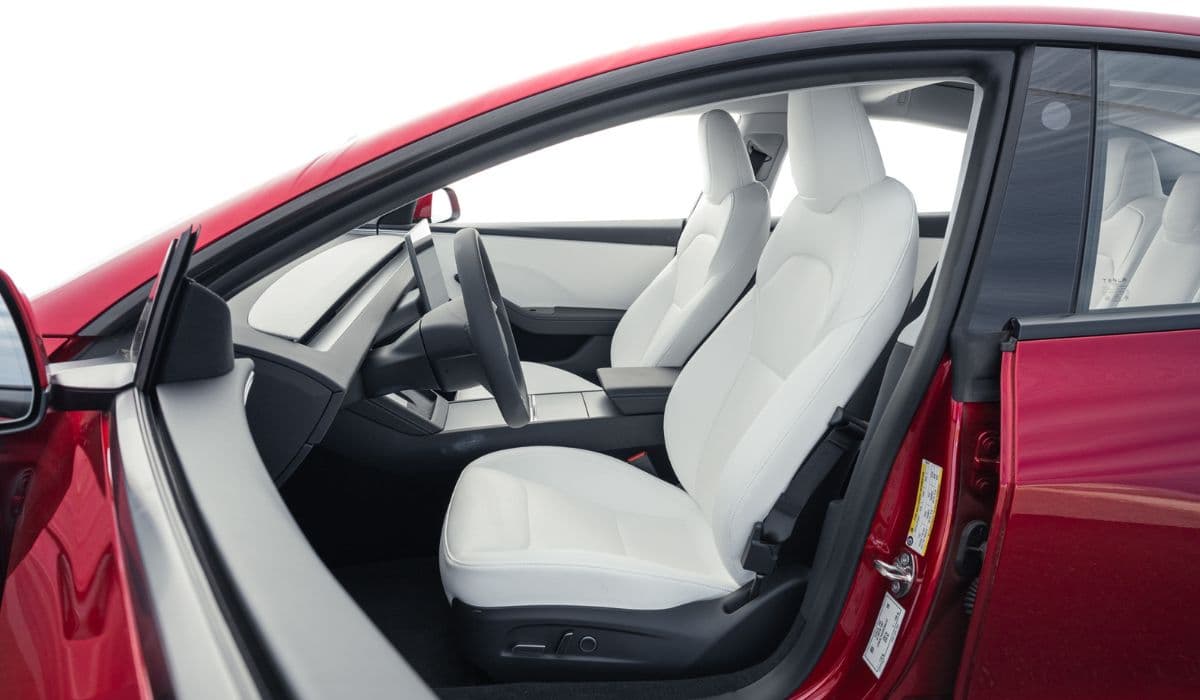
Tesla Highland interior: Premium feel but missing features
23.12.2025 09:40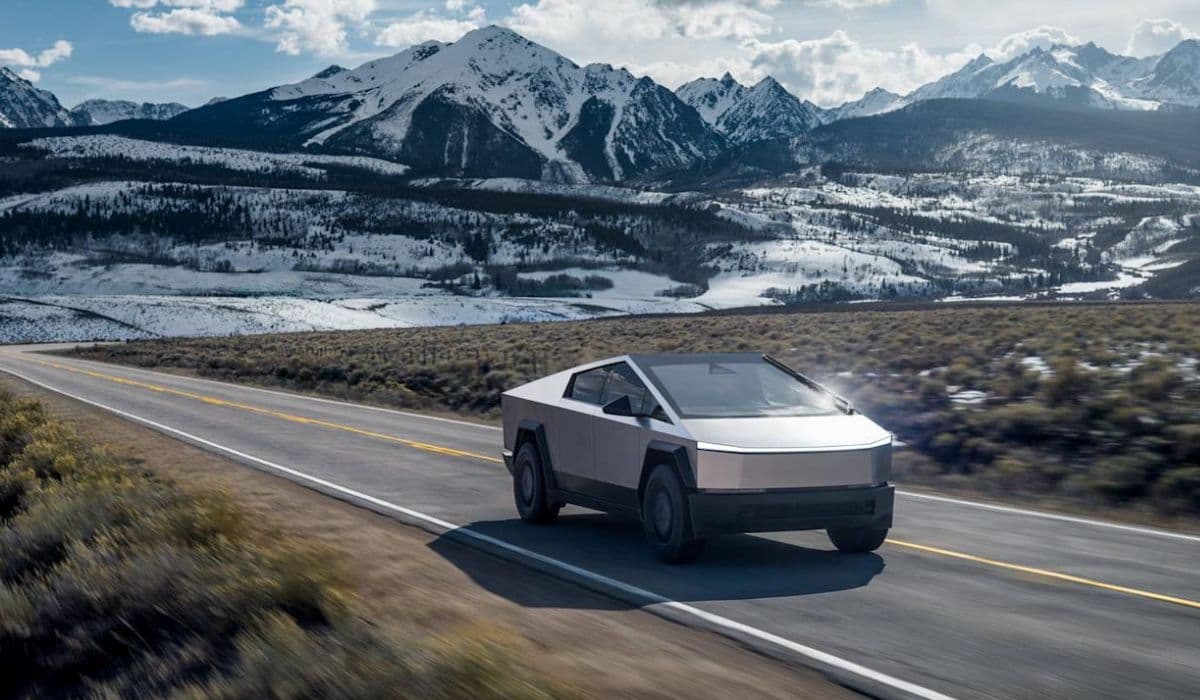
Tesla Cybertruck range: Strong city but disappointing highway
23.12.2025 09:32
Tesla J.D. Power: High satisfaction despite service waits
23.12.2025 09:29