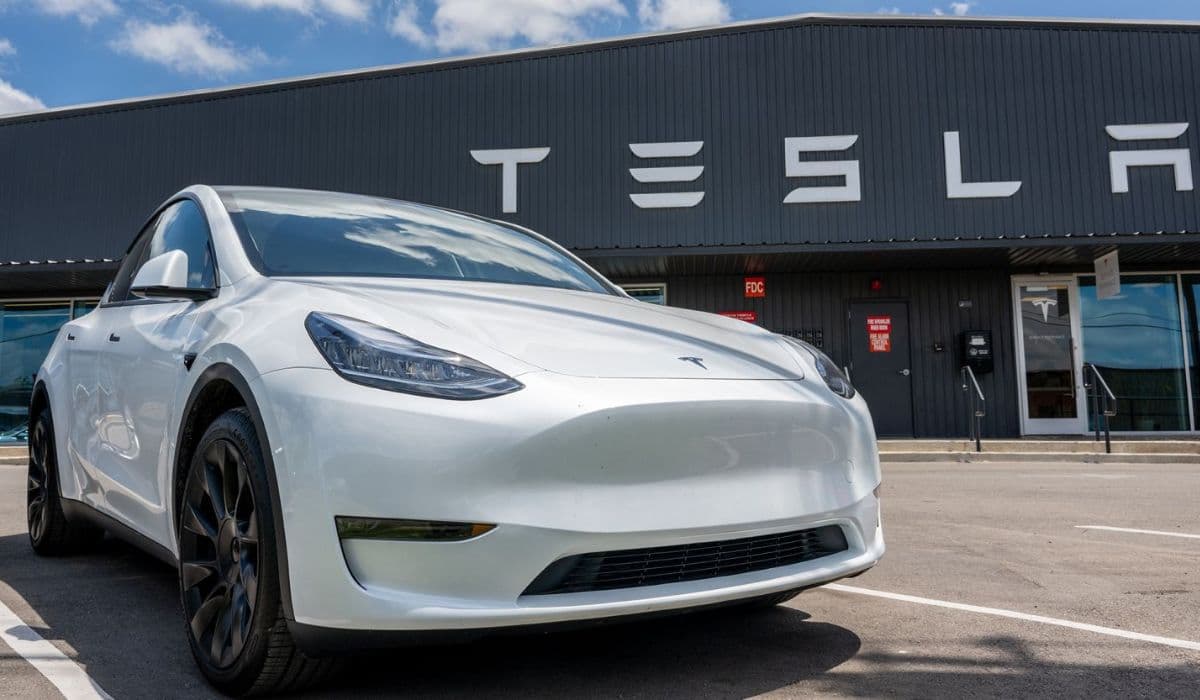
Overall Tesla ownership cost 2025: Cheaper than gas after 3 years?
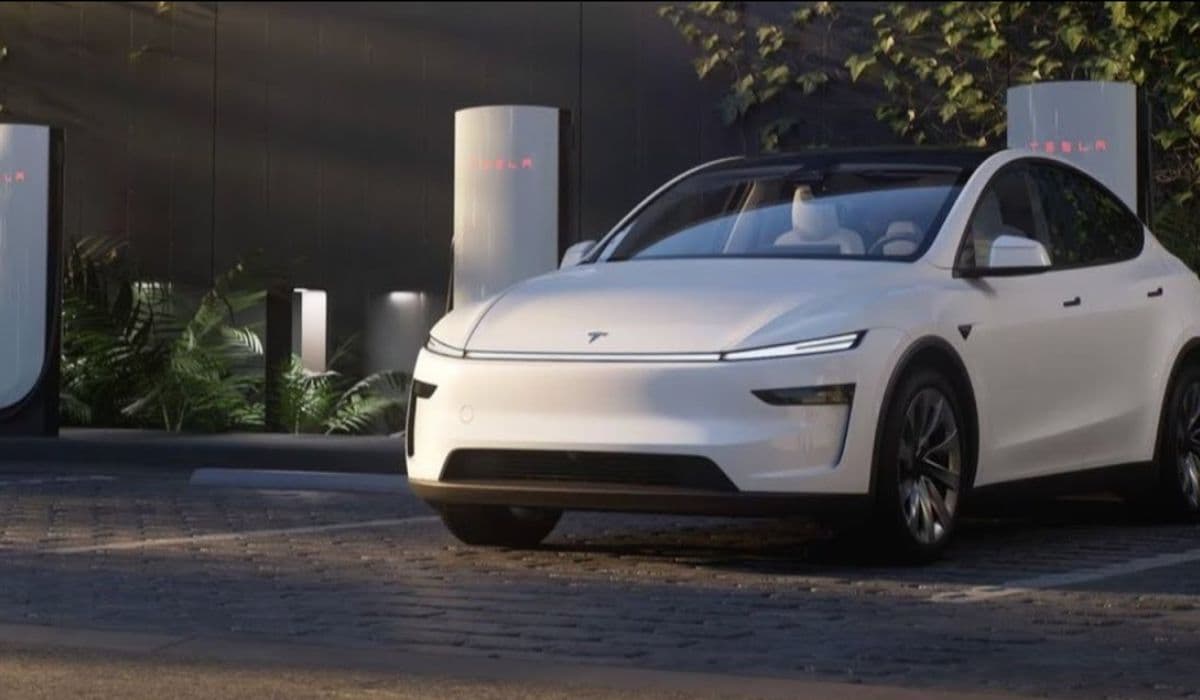
The debate over electric vehicles versus traditional gasoline cars often centers on the total cost of ownership. While Teslas typically command a higher upfront investment due to advanced battery technology and premium features, the long-term economics reveal a different story. Ongoing expenses like energy consumption, maintenance, and even resale value play pivotal roles in determining when — or if — a Tesla becomes more affordable than a comparable gas-powered vehicle.
Many drivers wonder about the break-even point, where cumulative savings offset the initial premium. Factors such as driving habits, charging infrastructure access, and regional energy rates influence this timeline significantly. For average commuters, the shift toward lower costs often emerges sooner than expected, driven by efficiencies unique to electric drivetrains.
Understanding the Initial Investment Difference
Teslas incorporate cutting-edge engineering, including large battery packs and sophisticated software systems, which contribute to their elevated starting point compared to gasoline equivalents. This gap has narrowed in recent years through production scaling and market competition.
However, the higher entry cost remains a common hesitation for buyers. Incentives and rebates can mitigate this, but even without them, the equation changes rapidly once the vehicle hits the road. The real advantage lies in operational efficiencies that accumulate over miles driven.
Energy Costs: Electricity Versus Gasoline
One of the most compelling aspects of Tesla ownership is the shift from volatile fuel prices to more stable electricity rates. Home charging, especially overnight, leverages lower off-peak tariffs and eliminates frequent stops at pumps.
Efficiency of electric motors far surpasses internal combustion engines, converting a higher percentage of energy into motion.
Regenerative braking recaptures energy during deceleration, further extending range and reducing waste.
No idling losses mean energy is only used when accelerating or maintaining speed.
For typical daily driving, this translates to substantially lower per-mile expenses. Public fast-charging networks provide convenience for longer trips, though at a premium compared to home setups. Overall, the predictability of electricity costs shields owners from fuel price spikes that affect gasoline vehicles.
Maintenance and Repair Advantages
Electric vehicles like Teslas feature dramatically fewer moving parts than gasoline cars, eliminating many traditional service items.
No oil changes, spark plugs, or timing belts required.
Brake pads last longer thanks to regenerative systems that handle most stopping.
Simpler drivetrain reduces wear on transmissions and exhaust components.
Real-world data from owners and independent analyses show these benefits compound over time. Routine checks focus on tires, cabin filters, and software updates, often handled remotely. While body repairs or battery-related issues can arise, they are infrequent compared to engine or fuel system failures in conventional cars.
This minimalist approach not only lowers annual outlays but also minimizes downtime, allowing more time on the road and less in service bays.
Insurance and Registration Considerations
Insurance rates for Teslas can vary widely based on model, driver profile, and location. Advanced safety features, including autopilot hardware and high crash-test ratings, often qualify for discounts.
Some providers offer specialized EV policies that account for lower repair frequency in non-collision scenarios. Registration fees sometimes include additional charges for electric vehicles to offset road funding, but these are typically offset by absent fuel taxes.
Balancing these elements, many owners find insurance comparable or only moderately higher, especially when factoring in safe-driving incentives through telematics monitoring.
Depreciation and Resale Value Trends
Resale dynamics have evolved rapidly in the EV market. Early concerns about battery degradation have proven largely unfounded, with many packs retaining strong capacity after hundreds of thousands of miles.
Over-the-air updates keep older models feature-rich, enhancing appeal on the used market. Compared to gasoline cars, which face steady value erosion from mechanical wear, Teslas often hold value better due to sustained demand and technological longevity.
This stronger residual value shortens the effective ownership period needed to recoup costs, particularly for those who upgrade every few years.
The Break-Even Timeline: When Savings Kick In
For many scenarios involving average annual mileage, the point where Tesla ownership undercuts gasoline alternatives arrives relatively quickly. Commuters with access to home charging see the fastest returns, as daily energy expenses drop sharply.
Higher-mileage drivers accelerate the crossover due to amplified fuel savings.
Urban environments with short trips maximize regenerative benefits.
Combining with solar setups or time-of-use plans extends advantages further.
Studies comparing popular models consistently highlight that after the initial years, cumulative costs favor the electric option. Variables like regional electricity grids and driving style refine the exact timeline, but the trend points toward affordability within a handful of years for most users.
Additional Perks Beyond the Wallet
Beyond pure finances, Tesla ownership delivers intangibles that enhance the experience. Instant torque provides exhilarating acceleration without noise or vibrations. Silent operation reduces fatigue on long drives.
Access to dedicated charging networks simplifies road trips, with route planning integrated seamlessly. Software ecosystems offer entertainment, navigation, and security features that evolve continually.
These qualities contribute to higher satisfaction rates, turning routine commutes into enjoyable journeys while aligning with sustainable mobility goals.
More from Tesla
Tesla brake regen: Efficient but pedal feel confuses new owners
23.12.2025 11:35
Tesla battery degradation: Minimal with better management
23.12.2025 09:43
Tesla Highland interior: Premium feel but missing features
23.12.2025 09:40
Tesla Cybertruck range: Strong city but disappointing highway
23.12.2025 09:32
Tesla J.D. Power: High satisfaction despite service waits
23.12.2025 09:29