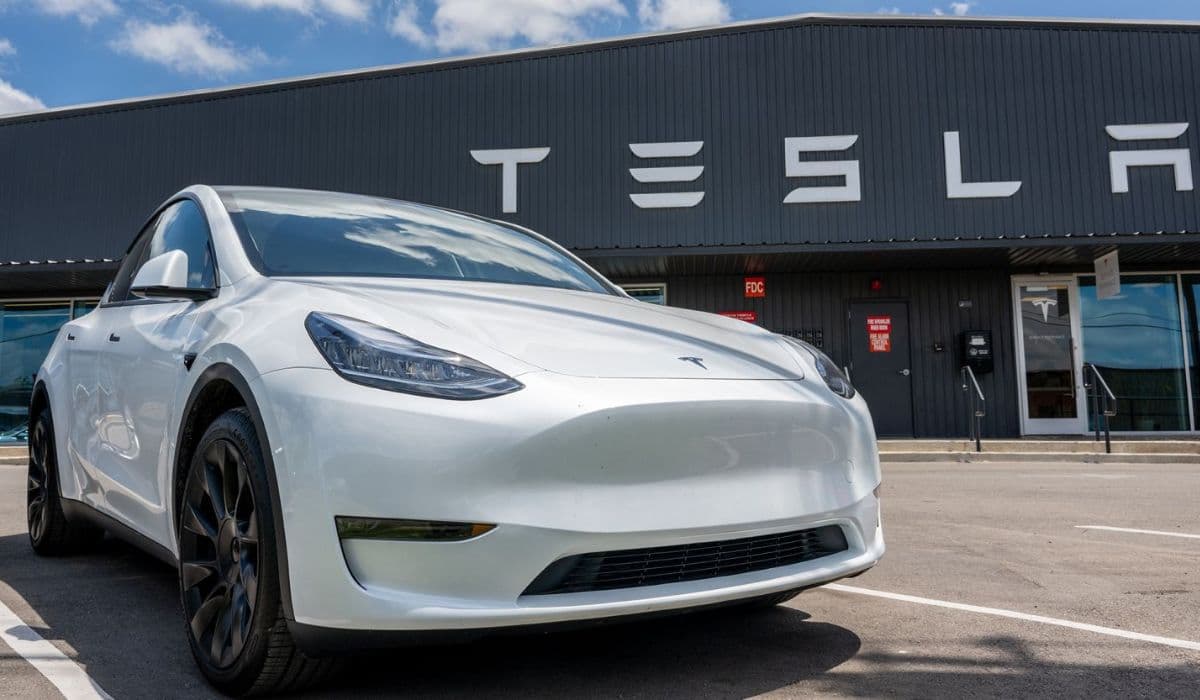
Tesla battery degradation after 100K miles: Real owner data
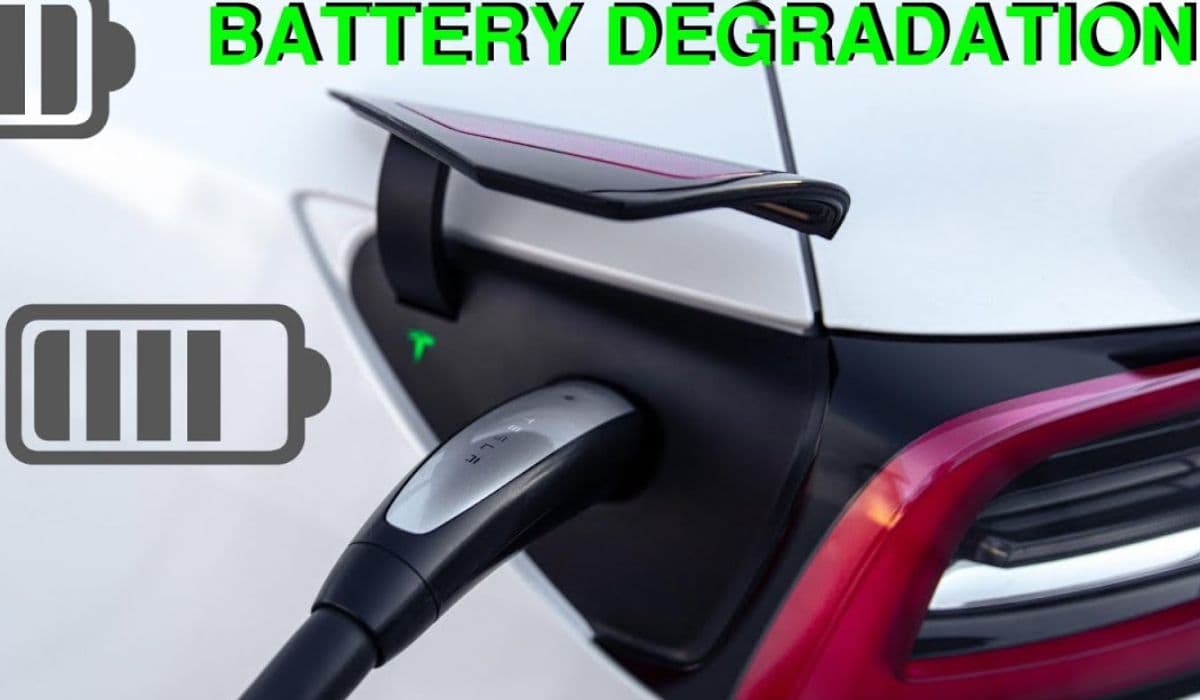
Battery degradation remains one of the most discussed topics among Tesla owners and prospective buyers. As electric vehicles accumulate higher mileage, real-world experiences provide valuable insights into how these advanced lithium-ion packs hold up over time. Drawing from thousands of owner reports, fleet data, and independent analyses, the picture that emerges is overwhelmingly positive: most Tesla batteries retain impressive capacity even after surpassing 100,000 miles.
Understanding Battery Degradation in Teslas
Degradation refers to the gradual loss of a battery's ability to hold a full charge, typically measured as a percentage of original capacity. This process is influenced by two primary factors: calendar aging (time-related wear, affected by temperature and average state of charge) and cyclic aging (wear from charging and discharging cycles).
In Teslas, the steepest capacity loss often occurs early—around 5-8% in the first few years—as the battery management system calibrates and settles. After this initial phase, degradation slows significantly, averaging 1-2% per year or less under normal conditions.
Real owner data consistently shows that mileage alone does not dramatically accelerate wear. High-mileage vehicles, including taxis and rideshare cars with frequent fast charging, often perform comparably to lower-mileage ones when adjusted for age.
What Real Owners Report at 100,000 Miles
Aggregated data from owner forums, apps like TeslaFi and Scan My Tesla, and studies reveal encouraging trends for vehicles crossing the 100,000-mile mark.
Many Model 3 and Model Y Long Range owners report 8-12% degradation, translating to 88-92% remaining capacity.
Some achieve even better results: retention above 93% is common with conservative charging habits, such as daily limits to 80% and minimal frequent full charges.
LFP-equipped models (often in standard-range variants) show exceptional resilience, with losses as low as 5% or less despite regular charging to 100%.
Outliers exist—vehicles with heavy Supercharger use in hot climates may see 12-15% loss—but these are not the norm.
For context, a Long Range model starting with over 300 miles of range might display 270-290 miles at full charge after 100,000 miles. Owners rarely report noticeable impacts on daily driving, as the remaining range still covers most commutes and trips comfortably.
Model-Specific Insights from High-Mileage Examples
Different Tesla models exhibit slight variations due to battery chemistry, pack size, and thermal management.
Model 3 owners frequently share standout results:
One 2018 Long Range rear-wheel-drive example with 150,000 miles retained over 95% capacity in some tests.
Performance variants, even with aggressive driving and frequent fast charging, often hold 85-90% at 100,000-200,000 miles.
Model Y follows similar patterns, benefiting from shared platform advancements:
Long Range versions mirror Model 3 data, with many retaining 90% or more past 100,000 miles.
Older Model S and X packs (especially 85-90 kWh units) show slightly higher average losses, around 10-15% at equivalent mileage, but newer chemistries in recent vehicles perform better overall.
Fleet and study data reinforces these anecdotes. Analyses of thousands of vehicles indicate average retention well above 85% at 100,000 miles, with some packs projected to maintain usable capacity for 300,000-500,000 miles.
Factors Influencing Degradation Outcomes
While Tesla batteries prove durable, certain habits and conditions can optimize—or occasionally hinder—longevity.
Key preservers include:
Limiting daily charge to 80-90% for NCA/NMC packs.
Avoiding prolonged storage at 100% or below 10%.
Preconditioning in extreme temperatures.
Mixing AC home charging with occasional DC fast charging.
Accelerators to watch:
Consistent exposure to high heat without active cooling engagement.
Very high average state of charge over time.
Extreme cold affecting efficiency (though less impactful on long-term health).
Interestingly, high annual mileage itself correlates with slower effective degradation in some datasets, as regularly cycled batteries in moderate climates fare well.
Why Tesla Batteries Excel in Long-Term Tests
Tesla's engineering contributes significantly to these strong results. Advanced liquid cooling maintains optimal temperatures, sophisticated software manages charge curves, and over-the-air updates refine battery algorithms. Buffers hide some early degradation from users, revealing true capacity gradually.
Compared to other EVs, Teslas often lead in retention, especially those with passive cooling or less robust management. This durability translates to sustained performance, making high-mileage Teslas appealing in the used market.
Owners crossing 100,000 miles overwhelmingly express satisfaction, noting minimal range anxiety and reliable daily use. As more vehicles reach these milestones, the data continues to affirm that Tesla batteries are built for the long haul, often outlasting other vehicle components.
More from Tesla
Tesla brake regen: Efficient but pedal feel confuses new owners
23.12.2025 11:35
Tesla battery degradation: Minimal with better management
23.12.2025 09:43
Tesla Highland interior: Premium feel but missing features
23.12.2025 09:40
Tesla Cybertruck range: Strong city but disappointing highway
23.12.2025 09:32
Tesla J.D. Power: High satisfaction despite service waits
23.12.2025 09:29