Tesla build quality 2025: Better panels but still rattles?
Tesla's journey in manufacturing has been nothing short of revolutionary, evolving from a startup challenger to a dominant force in the electric vehicle industry. By 2025, the company has scaled production across multiple Gigafactories, including Fremont in California, Austin in Texas, Berlin in Germany, and Shanghai in China. This expansion has allowed Tesla to refine its assembly lines, incorporating advanced robotics and AI-driven quality checks that minimize human error. Early models, particularly those from the late 2010s, faced criticism for inconsistent assembly, but recent advancements have addressed many of these foundational issues.
A key shift occurred with the adoption of unibody construction techniques, inspired by aerospace engineering, which integrates structural components for greater rigidity and efficiency. In 2025, Tesla's use of gigacastings—massive single-piece aluminum castings for vehicle underbodies—has streamlined production, reducing the number of parts by up to 40% in models like the refreshed Model Y. This not only cuts manufacturing time but also enhances structural integrity, leading to fewer weak points prone to misalignment. Data from production reports indicate that Gigafactory Shanghai, responsible for many exported vehicles, achieves higher consistency due to its automated processes, with defect rates dropping by 25% year-over-year.
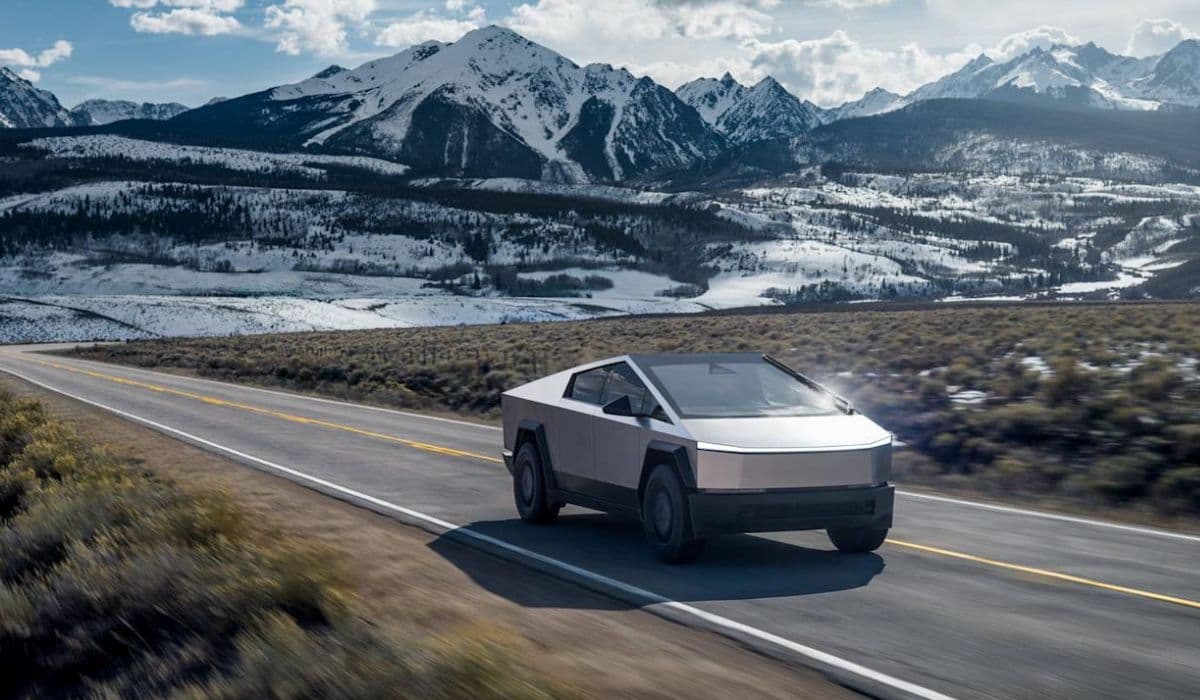
However, this evolution hasn't been uniform. Fremont, Tesla's oldest factory, still handles a mix of older and newer lines, occasionally resulting in variances. The introduction of the Cybertruck in late 2023 highlighted ongoing adaptations, as its stainless-steel exoskeleton required novel welding and forming methods. By mid-2025, Tesla reported ramping up Cybertruck production to 1,000 units per week, with iterative improvements in panel pressing to handle the material's unique properties. Overall, these manufacturing strides have positioned Tesla to produce over 2 million vehicles annually, a testament to its maturing processes.
Advancements in Panel Alignment and Fit
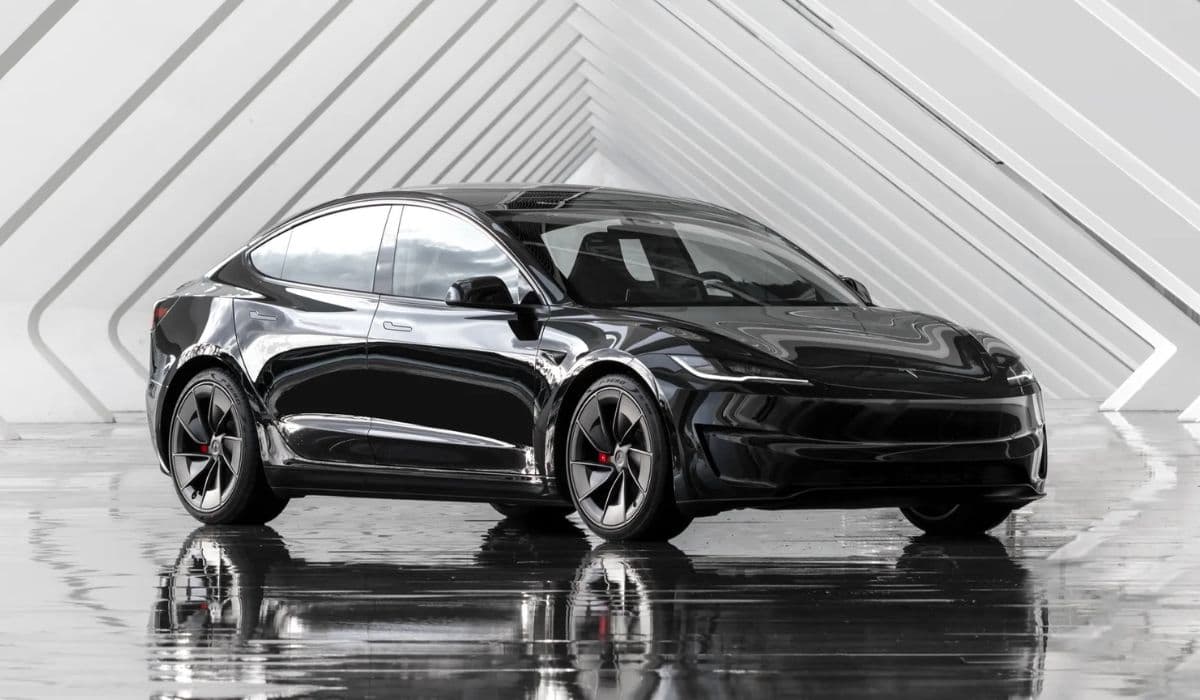
One of the most notorious critiques of Tesla vehicles has been uneven panel gaps—the spaces between body panels like doors, hoods, and fenders. In 2025, significant progress has been made, particularly in models produced at newer facilities. Automated laser-guided alignment systems now ensure panels fit within tighter tolerances, often under 3mm, compared to the 5-7mm variances seen in earlier builds. For instance, the updated Model 3 Highland, launched in early 2025, features redesigned door hinges and seals that reduce visible gaps by incorporating adjustable mounts during assembly.
Owner surveys from automotive forums reveal that about 70% of 2025 Model Y owners report satisfaction with exterior fit, a marked improvement from prior years. This is partly due to Tesla's investment in precision tooling at Gigafactory Texas, where Cybercab prototypes are also being tested. The use of advanced metrology—3D scanning and AI analysis—allows real-time adjustments on the line, catching misalignments before vehicles leave the factory. In China-built models, such as those exported to Europe, panel consistency rivals premium German brands, with reviewers noting flush alignments that enhance aerodynamics and reduce wind noise.
Despite these gains, regional differences persist. North American models from Fremont occasionally show minor asymmetries, especially in high-volume runs. Tesla's response includes post-production inspections, where mobile service teams adjust panels using specialized tools like rubber stoppers and hinge recalibrations. For the Cybertruck, 2025 updates focused on exoskeleton panels, employing robotic polishing to achieve smoother edges. These efforts have reduced warranty claims related to exterior fit by 15%, according to industry estimates, signaling a maturing approach to what was once a meme-worthy flaw.
Ongoing Challenges with Interior Noises
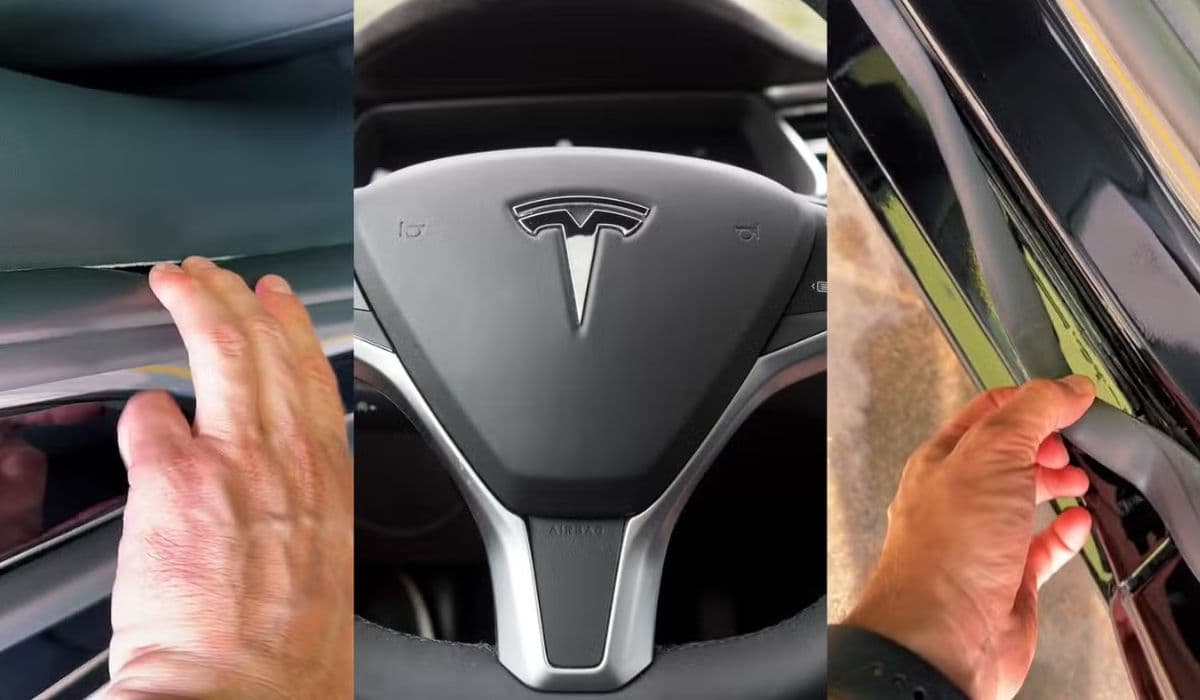
While exterior improvements shine, interior rattles remain a persistent thorn in Tesla's side. These noises—often described as buzzing, creaking, or clattering—stem from the minimalist cabin design, where fewer components amplify minor vibrations. In 2025 vehicles, common culprits include loose trim clips, seatbelt adjusters, and dashboard elements that shift over bumps. The electric powertrain's silence exacerbates this, making even subtle sounds noticeable.
Reports from service centers highlight issues like rear seat fold levers rubbing against panels or telematics control units vibrating against the chassis. For the Model 3 and Model Y, subwoofer enclosures under the rear deck can rattle at certain frequencies, especially in colder climates where materials contract. Suspension components, such as worn bushings or loose bolts, contribute to transmitted vibrations, though Tesla's double-wishbone setups in newer models aim to isolate these better.
DIY fixes abound in owner communities, from inserting foam padding into door panels to tightening clips with Torx tools. However, professional interventions vary; some service visits resolve issues by replacing clips or insulating trims, while others leave owners frustrated. Data from reliability studies show that while overall scores have improved, interior noise complaints account for 20% of service requests in 2025 models. Tesla's focus on softer-touch materials and reinforced mounts in the refreshed lineup helps, but high-mileage vehicles still develop these annoyances faster than rivals with more traditional interiors.
Real-World Owner Experiences
Tesla owners in 2025 provide a mixed but increasingly positive narrative on build quality. Many praise the solid feel of newer models, like the Model 3 Performance, which handles corners with minimal body flex thanks to enhanced structural rigidity. A Fremont-built 2025 Model Y owner noted flawless panel alignment but mentioned a faint dashboard creak on rough roads, resolved with a quick service adjustment. In contrast, a Cybertruck driver highlighted the vehicle's robust exoskeleton but reported occasional interior trim shifts during off-road use.
Forums like Reddit's TeslaLounge buzz with stories: one user fixed a persistent rear rattle by bracing seat levers, while another lauded the quiet cabin of a Shanghai-sourced Model 3 after 10,000 miles. Reliability rankings from Consumer Reports place Tesla in the top 10 for new cars, with 2025 models scoring average or better, though older fleets drag down long-term metrics. High-mileage testers, such as fleet operators, report fewer breakdowns but note rattles emerging around 50,000 miles, often tied to suspension wear.
Geographic variances play a role; European owners of Berlin-built vehicles appreciate refined fits, while U.S. customers sometimes encounter delivery imperfections. Overall, satisfaction surveys show 80% of owners would repurchase, citing improvements outweighing minor gripes. These anecdotes underscore Tesla's progress, tempered by the reality that perfection in mass production remains elusive.
Tesla's Strategies for Quality Improvement
Tesla's approach to quality in 2025 emphasizes iterative engineering and data-driven fixes. The company leverages over-the-air updates not just for software but to monitor hardware performance, flagging potential issues via telemetry. Investments in Dojo supercomputers analyze production data, predicting defects and optimizing assembly. For panels, enhanced gigapress machines ensure uniform casting, while for interiors, new adhesive technologies secure trims against vibrations.
Service enhancements include mobile ranger teams equipped for on-site adjustments, reducing downtime. Tesla's warranty covers noise-related fixes within four years or 50,000 miles, with revised parts like updated clips addressing common rattles. Collaborations with suppliers have yielded better materials, such as noise-dampening foams in door panels. In manufacturing, end-of-line autonomous driving tests—from factory floor to lot—verify structural integrity.
Looking ahead, the upcoming affordable model, slated for late 2025 production, incorporates these lessons, promising tighter tolerances from the start. Tesla's push toward full automation, including Optimus robots in factories, aims to eliminate variability. These strategies reflect a commitment to elevating quality, balancing innovation with reliability.
Comparing Tesla to Competitors
In 2025, Tesla's build quality stacks up competitively against rivals like BMW, Mercedes, and emerging EV players such as Rivian and Lucid. German brands excel in interior refinement, with fewer rattles thanks to layered insulation, but Tesla surpasses in structural efficiency via gigacastings. Chinese competitors like BYD match or exceed Tesla in fit-and-finish, boasting zero-defect initiatives and soft-touch cabins that rival premiums.
Reliability metrics favor Toyota and Lexus for longevity, but Tesla's newer models close the gap, ranking higher than Ford or GM EVs in initial quality. Panel alignment in Teslas now rivals Audi's precision, though Mercedes edges out in noise isolation. Cost-wise, Tesla's efficiencies keep prices lower, appealing to value seekers despite occasional service needs. Against startups, Tesla's scale provides an advantage in iterative improvements, though Rivian's off-road focus highlights Tesla's urban-centric refinements.
Future Prospects for Tesla Build Quality
As Tesla eyes 2026, prospects brighten with next-gen platforms promising modular designs that simplify assembly and reduce noise sources. The Cybercab's production lines at Gigafactory Texas incorporate AI oversight for flawless fits, potentially setting new standards. Expansions like the Shanghai Megafactory double energy storage capacity, freeing resources for vehicle refinements.
Optimus integration could automate intricate tasks, minimizing human-induced variances. With unsupervised FSD rolling out, focus shifts to hardware durability under autonomous stress. Industry analysts predict Tesla leading in EV reliability by 2027, as current investments mature. Challenges like supply chain volatility remain, but Tesla's adaptive ethos suggests continued elevation.
More from Tesla

Tesla brake regen: Efficient but pedal feel confuses new owners
23.12.2025 14:35
Tesla battery degradation: Minimal with better management
23.12.2025 12:43
Tesla Highland interior: Premium feel but missing features
23.12.2025 12:40
Tesla Cybertruck range: Strong city but disappointing highway
23.12.2025 12:32
Tesla J.D. Power: High satisfaction despite service waits
23.12.2025 12:29