Tesla Cybertruck: Build quality flops despite off-road praise
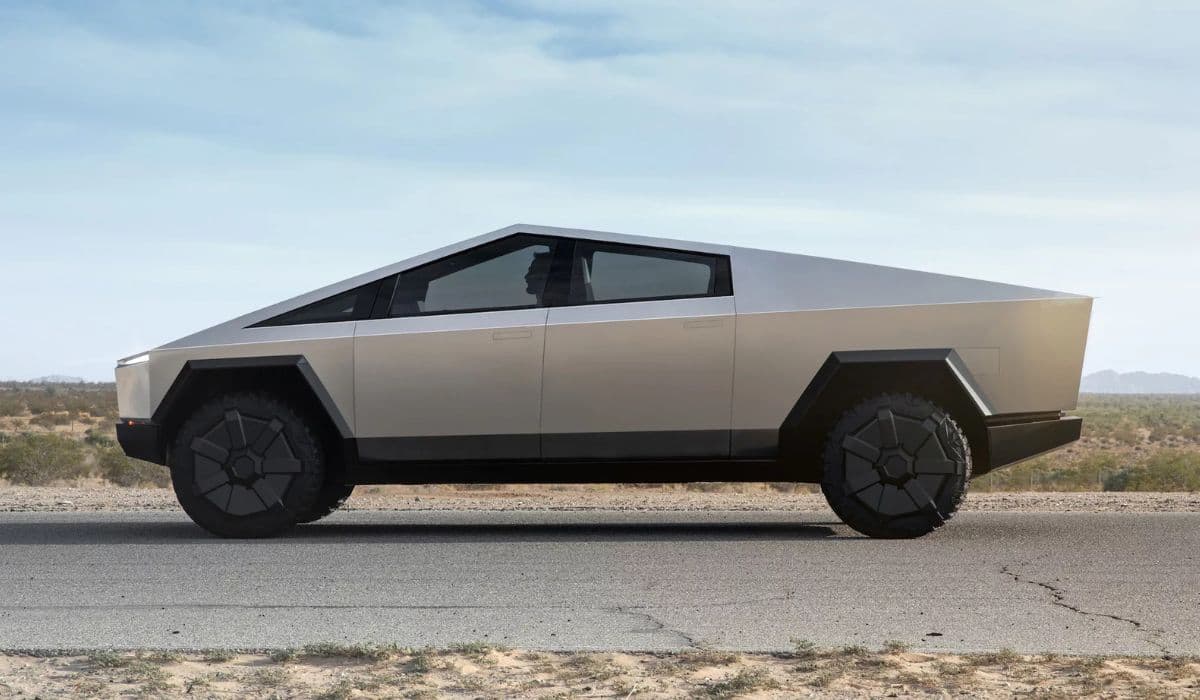
The Tesla Cybertruck has generated immense buzz since its unveiling, promising a revolutionary blend of futuristic design, electric performance, and rugged capability. While it has earned genuine admiration for its off-road prowess, the vehicle has faced significant criticism for inconsistencies in build quality. Owners and reviewers alike have highlighted a disconnect between the truck's impressive trail performance and the finer details of its assembly and finishing.
Off-Road Capabilities That Impress
The Cybertruck's off-road performance stands out as one of its strongest attributes. Its robust construction and advanced engineering allow it to tackle challenging terrain with confidence.
High ground clearance and durable underbody protection enable the truck to navigate rocky paths and steep inclines without hesitation.
The adaptive air suspension adjusts ride height on the fly, optimizing approach, departure, and breakover angles for various obstacles.
Powerful tri-motor variants deliver instant torque to all wheels, providing exceptional traction even in loose sand, mud, or snow.
Steer-by-wire and four-wheel steering contribute to remarkable maneuverability, allowing tight turns and precise control in confined spaces.
Enthusiasts who have taken the Cybertruck on demanding trails often report that it outperforms many traditional off-road vehicles in raw capability. The stainless steel exoskeleton adds to this resilience, shrugging off scratches and dents that would mar conventional body panels.
Persistent Build Quality Concerns
Despite the off-road triumphs, build quality issues have overshadowed much of the conversation around the Cybertruck. Early deliveries revealed inconsistencies that surprised observers given Tesla's reputation for innovation.
Panel gaps have been a frequent point of criticism. On some units:
Doors, hood, and bed sides show uneven alignment, with gaps varying noticeably from one side to the other.
Frunk and tonneau cover fitment sometimes leaves irregular spacing, affecting both aesthetics and weather sealing.
Interior trim pieces occasionally appear misaligned or loosely fitted, detracting from the premium feel expected in a flagship vehicle.
Paint and surface finish problems have also emerged. The bare stainless steel body, while durable, has shown:
Fingerprints and smudges that are difficult to remove completely without specialized cleaning.
Subtle waves or imperfections in the flat panels, visible under certain lighting conditions.
Variations in the brushed finish across different body sections.
These issues extend to functional components as well. Some owners have reported:
Wind noise at highway speeds due to imperfect sealing around doors and windows.
Rattles or creaks from interior panels during off-road use, despite the truck's overall structural rigidity.
Inconsistent operation of features like the powered tonneau cover or adaptive suspension calibration.
Owner Experiences and Community Feedback
Real-world ownership stories paint a mixed picture. Many drivers celebrate the Cybertruck's unique character and capability, yet acknowledge the build shortcomings.
Off-road enthusiasts frequently share videos demonstrating the truck's ability to climb steep grades or ford deep water, praising its composure under stress. However, the same owners often mention needing to address minor fitment issues themselves or through service visits.
Community forums reveal patterns in reported problems. While some units appear nearly flawless, others require multiple service appointments to resolve alignment or sealing concerns. This variability suggests challenges in achieving consistent production quality at scale.
Tesla's over-the-air updates have improved certain software-related quirks, but physical build issues typically require hands-on intervention. The company's service network has been responsive in many cases, though wait times and parts availability have frustrated some buyers.
Design Choices and Their Trade-offs
The Cybertruck's radical design philosophy contributes to both its strengths and its build challenges. The decision to use thick, unpainted stainless steel panels prioritizes durability over traditional automotive finishing standards.
Flat surfaces amplify any minor imperfections, making them more visible than on curved bodies. The angular geometry demands precise manufacturing tolerances to achieve uniform gaps—a difficult task with the chosen materials and processes.
Elon Musk has publicly addressed some concerns, emphasizing that early production units often show teething issues that improve over time. The company continues to refine assembly techniques, suggesting that later builds may exhibit better consistency.
Balancing Innovation and Execution
The Cybertruck represents a bold departure from conventional pickup design, excelling in areas where others fear to tread. Its off-road dominance demonstrates Tesla's engineering prowess in powertrain and chassis development.
Yet the visible build quality inconsistencies serve as a reminder that groundbreaking innovation sometimes comes with initial compromises in refinement. As production matures, these issues may diminish, allowing the truck's capabilities to shine without distraction.
For those prioritizing trail performance and futuristic appeal, the Cybertruck delivers an unmatched experience. Potential buyers weighing absolute fit-and-finish perfection against revolutionary capability will need to decide where their priorities lie.
The ongoing evolution of the Cybertruck highlights the challenges of bringing visionary concepts to mass production while maintaining exacting standards across every detail.
More from Tesla
Tesla battery degradation after 100K miles: Real owner data
17.12.2025 15:27
Overall Tesla ownership cost 2025: Cheaper than gas after 3 years?
17.12.2025 12:13
Tesla Cybertruck vs Ford F-150 Lightning: Towing and charging showdown
17.12.2025 05:57
2025 refreshed Tesla Model X: Worth upgrading from old raven?
17.12.2025 04:14
Tesla heat pump problems in winter: 2025 still an issue?
17.12.2025 01:02