idyCar logo

Tesla Cybertruck sales slump: Recalls and rust scare buyers
Tesla23.12.2025 11:55
Tesla Cybertruck sales slump: Recalls and rust scare buyers
Image credit: idyCar archives

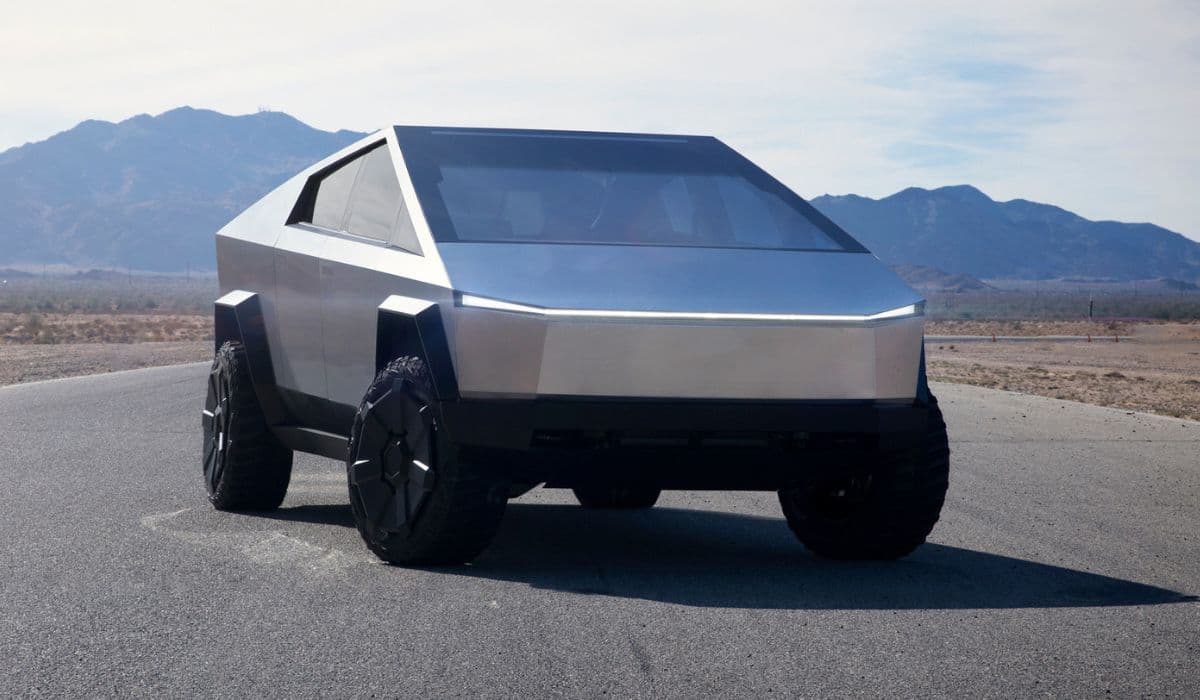
The Tesla Cybertruck burst onto the scene in late 2023 with immense fanfare, promising to revolutionize the electric pickup truck segment. Elon Musk unveiled the angular, stainless-steel beast as an "apocalypse-proof" vehicle, boasting features like bulletproof glass, ultra-hard exoskeleton, and impressive towing capacity. Initial reservations skyrocketed, with Tesla claiming over a million pre-orders shortly after the announcement. Production ramped up slowly, with deliveries starting in November 2023 for the high-end Foundation Series models priced around $100,000.

By early 2024, the Cybertruck was positioned as Tesla's flagship innovation, targeting adventure seekers, off-road enthusiasts, and tech-savvy truck buyers. It offered variants like the dual-motor all-wheel-drive model with a 340-mile range and the tri-motor Cyberbeast accelerating from 0 to 60 mph in under 3 seconds. However, the vehicle's unconventional design—sharp edges, minimalist interior, and lack of traditional truck amenities like a full-size bed liner—polarized opinions. While some praised its futuristic appeal, others criticized it for practicality issues, such as limited visibility and challenging maneuverability in urban settings.

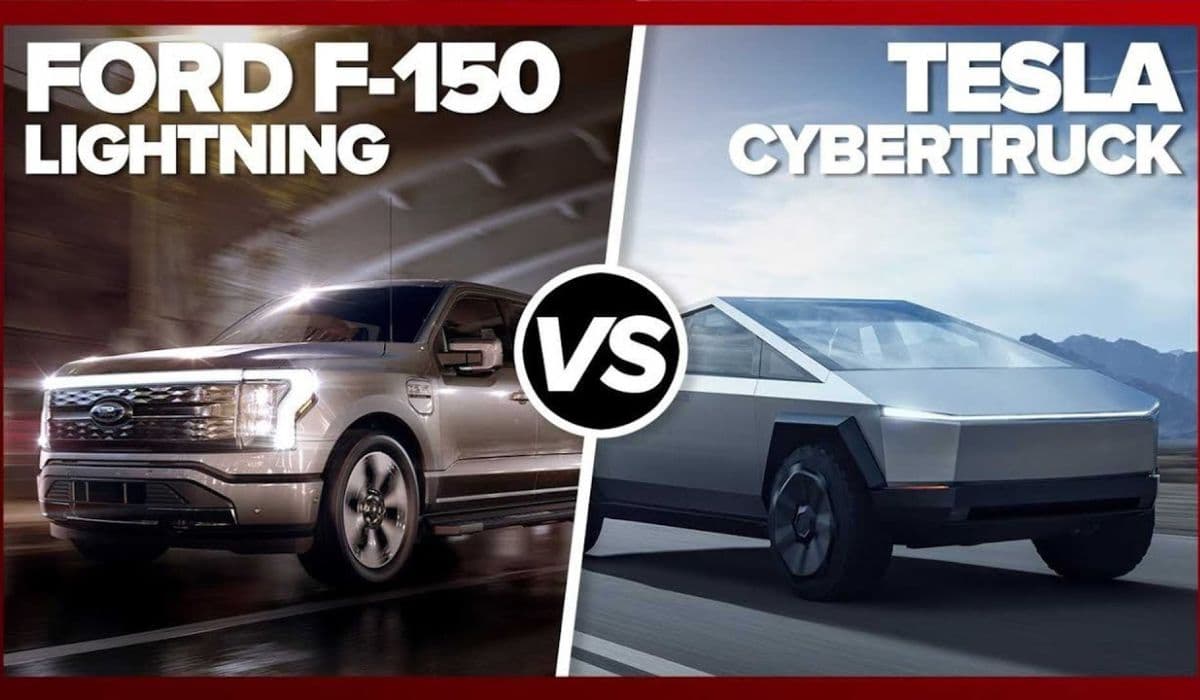
Market analysts initially projected strong demand, estimating annual sales could reach 250,000 units once production hit full stride. Tesla invested heavily in its Austin Gigafactory to scale output, aiming for 125,000 vehicles per year by mid-2024. Yet, as 2025 unfolded, external factors began eroding this optimism. Economic pressures, including rising interest rates and competition from established players like Ford's F-150 Lightning and Rivian's R1T, started chipping away at the Cybertruck's momentum. More critically, a series of quality concerns emerged, directly impacting consumer trust and leading to a noticeable sales downturn.

Plunging Sales Figures in 2025

Entering 2025, Tesla faced mounting evidence of a sales slump for the Cybertruck. Data from registration records revealed that only about 16,000 units were sold in the United States during the first three quarters of the year—a stark contrast to Musk's ambitious forecast of up to 500,000 annual sales. In the third quarter alone, domestic sales plummeted to just 5,385 vehicles, marking a 62% drop from the previous quarter. This decline was even more pronounced when viewed month-over-month; for instance, sales fell 32.5% between January and February 2025, signaling early demand fatigue.

Globally, the picture wasn't much brighter. Tesla's overall vehicle deliveries in 2025 showed strain, with U.S. sales dipping to a nearly four-year low in November, totaling around 39,800 units—a 23% decrease from the prior year. The Cybertruck, as a premium offering starting at $79,990 for the base model, struggled against economic headwinds. High pricing deterred budget-conscious buyers, especially as incentives for electric vehicles waned and inflation persisted. Competitors like Chevrolet's Silverado EV, with more conventional designs and lower entry points, captured market share.

Analysts attribute part of the slump to oversaturation of hype. Early adopters, primarily Tesla loyalists, snapped up the initial batches, but broader appeal waned. Inventory buildup became apparent, with reports of unsold Cybertrucks accumulating at dealership lots and even satellite imagery showing overflow parking at Tesla facilities. In a surprising twist, SpaceX—another Musk-led venture—purchased a significant number of Cybertrucks, potentially in the tens of millions of dollars' worth, to bolster Tesla's figures. This inter-company transaction raised eyebrows, suggesting artificial demand propping up sales amid genuine consumer hesitation.

Key Recalls Affecting Cybertruck Owners

One of the most damaging factors in the Cybertruck's sales narrative has been a string of recalls, underscoring manufacturing and design flaws. Since its launch, nearly every Cybertruck produced has been subject to at least one recall, affecting tens of thousands of vehicles and eroding buyer confidence.

The issues began early. In April 2024, Tesla recalled over 3,800 Cybertrucks due to a faulty accelerator pedal that could stick, posing a crash risk. This was followed by a June 2024 recall for malfunctioning front windshield wipers and loose trunk bed trim pieces. By late 2024, additional campaigns addressed warning light failures and rearview camera delays, impacting models built between November 2023 and April 2024.

The problems escalated into 2025. In March, Tesla initiated a recall for nearly all 2024-2025 Cybertrucks—estimated at over 46,000 units—over loose exterior trim on the cantrail (roof rail), which could detach while driving and create road hazards. Owners reported instances where the trim flew off at highway speeds, prompting investigations by the National Highway Traffic Safety Administration (NHTSA).

Another major blow came in July 2025, with a voluntary recall for drive inverter replacements on vehicles produced from November 2023 to July 2024. This defect could cause loss of propulsion, stranding drivers unexpectedly. Tesla offered free over-the-air software updates where possible, but many required physical service center visits, inconveniencing owners and highlighting supply chain vulnerabilities.

The most recent recall, announced in October 2025, targeted over 63,000 Cybertrucks from model years 2024-2026 due to excessively bright front parking lights violating federal safety standards. This glare could distract oncoming drivers, increasing accident risks. Combined with earlier airbag deployment issues in Model S and X that indirectly affected Cybertruck perceptions, these recalls painted a picture of rushed production. Tesla's response involved firmware updates and part replacements, but the cumulative effect has been a public relations nightmare, with forums buzzing about reliability concerns.

The Rust Controversy: What Owners Are Saying

Amid the recall frenzy, another issue has dominated Cybertruck discussions: apparent rust on the vehicle's stainless-steel body. Marketed as corrosion-resistant, the Cybertruck's exoskeleton uses ultra-hard 30X cold-rolled stainless steel, similar to that in SpaceX rockets. However, shortly after deliveries began in 2024, owners reported orange spots and streaks after exposure to rain or road salt.

Initial complaints surfaced on online forums like Cybertruck Owners Club and Reddit, where users shared photos of "rust" appearing within days of ownership. One owner described driving through a light rain and noticing speckles the next morning, likening it to "freckles on a new toy." Tesla engineers clarified that this isn't true rust of the steel itself but surface contamination from iron particles—often called "rail dust"—picked up during manufacturing, transport, or environmental exposure. These particles oxidize when wet, creating visible blemishes.

Despite assurances, the controversy persisted into 2025. Tesla's owner manual explicitly warns that the exterior is susceptible to corrosion if the oxide barrier is compromised, recommending regular washing with non-abrasive cleaners. Some owners invested in protective wraps or ceramic coatings, costing thousands, to mitigate the issue. Reports indicated that without prompt cleaning, these spots could embed deeper, requiring professional polishing.

Buyer sentiments vary. Enthusiasts dismiss it as a minor aesthetic flaw, solvable with DIY remedies like clay bars or vinegar solutions. Critics, however, argue it undermines the vehicle's premium positioning. A survey from an automotive forum in mid-2025 showed 45% of potential buyers citing rust concerns as a deterrent, especially in regions with harsh winters. Tesla has implemented air filtration in production lines to reduce contamination, but lingering doubts continue to scare off risk-averse consumers.

Impact on Buyer Confidence

The combination of recalls and rust issues has profoundly shaken buyer confidence in the Cybertruck. Prospective owners, once excited by the vehicle's bold aesthetics and performance specs, now hesitate due to fears of ongoing maintenance headaches. Social media amplifies these stories, with viral threads detailing service delays—some waiting weeks for recall fixes amid parts shortages.

Market research in 2025 revealed a shift: While early adopters valued innovation, mainstream truck buyers prioritize reliability and resale value. The Cybertruck's resale market has softened, with used models depreciating faster than expected, sometimes by 20-30% within months. Insurance premiums have also risen, as insurers factor in repair complexities for the unique stainless-steel panels, which can't be easily dent-repaired like aluminum.

Demographically, the slump hits hardest among traditional pickup users in rural areas, where durability against elements is paramount. Urban tech enthusiasts remain somewhat loyal, but even they express frustration over software glitches tied to recalls, such as erratic Autopilot behavior. Tesla's brand image, once synonymous with cutting-edge reliability, now contends with perceptions of overpromising, as Musk's bold claims clash with real-world experiences.

Tesla's Strategies to Revive Interest

In response to the downturn, Tesla has rolled out several initiatives to reinvigorate Cybertruck appeal. Price adjustments were key: In mid-2025, the company introduced more affordable trims, dropping the entry price to under $60,000 for select markets with incentives. Leasing options expanded, allowing buyers to test the waters without full commitment.

Marketing efforts intensified, with campaigns emphasizing off-road prowess through demo events and partnerships with adventure influencers. Tesla also enhanced its service network, adding mobile repair units to address recalls faster. Software updates have introduced features like improved battery efficiency and customizable lighting, aiming to delight existing owners and attract new ones.

Collaborations, such as with SpaceX for fleet integrations, showcase practical applications, from construction sites to spaceport logistics. Musk's personal endorsements on social platforms continue to rally the base, promising production ramps to 250,000 units annually by 2026.

Future Prospects for the Cybertruck

Looking ahead, the Cybertruck's trajectory hinges on resolving quality kinks and adapting to market feedback. If Tesla can streamline manufacturing—reducing defects and accelerating output—the vehicle could reclaim its niche as a premium EV truck. Expanding internationally, particularly in Europe and Asia where emissions regulations favor electrics, offers growth potential.

Technological upgrades, like enhanced Full Self-Driving capabilities tailored for towing, might differentiate it further. However, persistent issues could cement the slump, pushing buyers toward competitors. Ultimately, the Cybertruck's fate will test Tesla's resilience in an evolving EV landscape, where innovation must align with everyday dependability.

More from Tesla

Back to Tesla