Tesla Full Self-Driving 12.5.6: Honest review after 1,000 miles
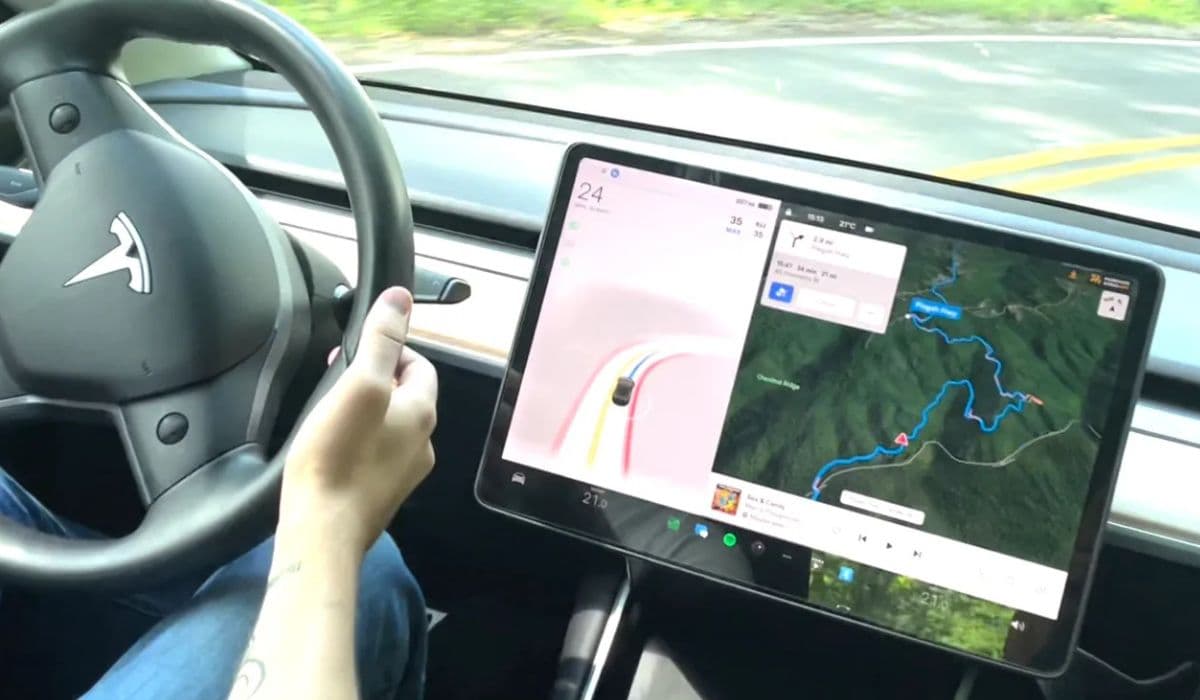
Diving into Tesla's Full Self-Driving (FSD) version 12.5.6 felt like stepping into a new era of autonomous driving. This update introduced several refinements, including the end-to-end neural network integration for highway driving across all models, updated driver profiles (Chill, Standard, and Hurry), and a new Max Speed Offset feature that replaces the old auto-set speed logic. After installing it on my Model Y, I immediately noticed smoother visualizations and more natural acceleration patterns compared to previous versions.
The setup was straightforward—no recalibration needed beyond the usual camera checks. I started with the Standard profile for a balanced feel, but quickly experimented with Hurry for highways and Chill for dense urban areas. Over the first few hundred miles, the system felt more confident, with fewer hesitant pauses at intersections.
Highway Performance
Highways are where FSD 12.5.6 truly shines. The end-to-end highway stack makes lane changes earlier and more decisively, reducing those last-minute merges that used to spike my heart rate. In heavy traffic, it maintains safe following distances while opportunistically passing slower vehicles without aggression.
Handled multi-lane interchanges flawlessly, selecting the correct forks based on navigation.
Adapted well to varying speed limits, though it occasionally exceeded by more than I'd prefer in Hurry mode.
Smooth entry and exit ramps, even on curved ones, with natural speed adjustments.
Minimal phantom braking incidents—only one minor slowdown due to an overhead sign misread.
After clocking 600 highway miles, interventions were rare, mostly to nudge speed or avoid overly cautious positioning behind trucks.
City Streets and Urban Driving
City driving revealed the biggest leaps forward. The single end-to-end neural network trained on millions of clips translates to human-like decision-making in complex scenarios. Unprotected left turns across traffic felt poised and timely, without the jerky hesitations of older versions.
Navigating roundabouts was surprisingly fluid—the car yielded appropriately and accelerated out smoothly. In residential areas with parked cars and cyclists, it narrowed lanes carefully, giving ample space to vulnerable road users.
Excelled at stop sign etiquette, creeping forward to check cross traffic before proceeding.
Handled pedestrian-heavy zones by slowing preemptively and stopping fully when needed.
Managed construction zones better, though one detour required manual override due to faded lane markings.
Night driving improved with better object detection, reducing glare-induced slowdowns.
Urban miles accounted for about 300 of my total, with the system feeling relaxed enough that I could focus more on monitoring than constant correction.
Edge Cases and Interventions
No system is perfect, and 12.5.6 had its moments. Over 1,000 miles, I recorded about a dozen interventions—mostly precautionary rather than critical.
Common quirks included:
Occasional over-caution at green lights, waiting an extra beat for no apparent reason.
Hesitation in dense fog or heavy rain, prompting slowdowns that felt excessive.
Rare lane centering drifts on poorly marked rural roads.
One instance of attempting a lane change into moderate traffic that I canceled for safety.
These were far fewer than in prior updates, and the vision-based attention monitoring (even with sunglasses) kept things vigilant without nagging too much.
Overall Handling and Comfort
The driving profiles add welcome customization. Chill mode delivers buttery-smooth rides ideal for passengers, while Hurry pushes assertive passing without recklessness. Acceleration and braking feel more progressive, mimicking an experienced human driver rather than a robot.
Parking and summoning features, like Actually Smart Summon, worked reliably in open lots, though crowded garages still demand supervision. The overall comfort level made long drives less fatiguing—I arrived fresher after FSD-handled routes.
After 1,000 miles mixing highways, cities, and suburbs, FSD 12.5.6 stands out as a mature, capable assistant. It's not flawless, but the progress is undeniable: more miles flow uninterrupted, decisions feel intuitive, and stress is noticeably lower. For daily use, it's transformed from a novelty to a genuine tool that enhances the Tesla experience.
More from Tesla
Tesla brake regen: Efficient but pedal feel confuses new owners
23.12.2025 11:35
Tesla battery degradation: Minimal with better management
23.12.2025 09:43
Tesla Highland interior: Premium feel but missing features
23.12.2025 09:40
Tesla Cybertruck range: Strong city but disappointing highway
23.12.2025 09:32
Tesla J.D. Power: High satisfaction despite service waits
23.12.2025 09:29