Tesla insurance rates 2025: Why they went down 20%
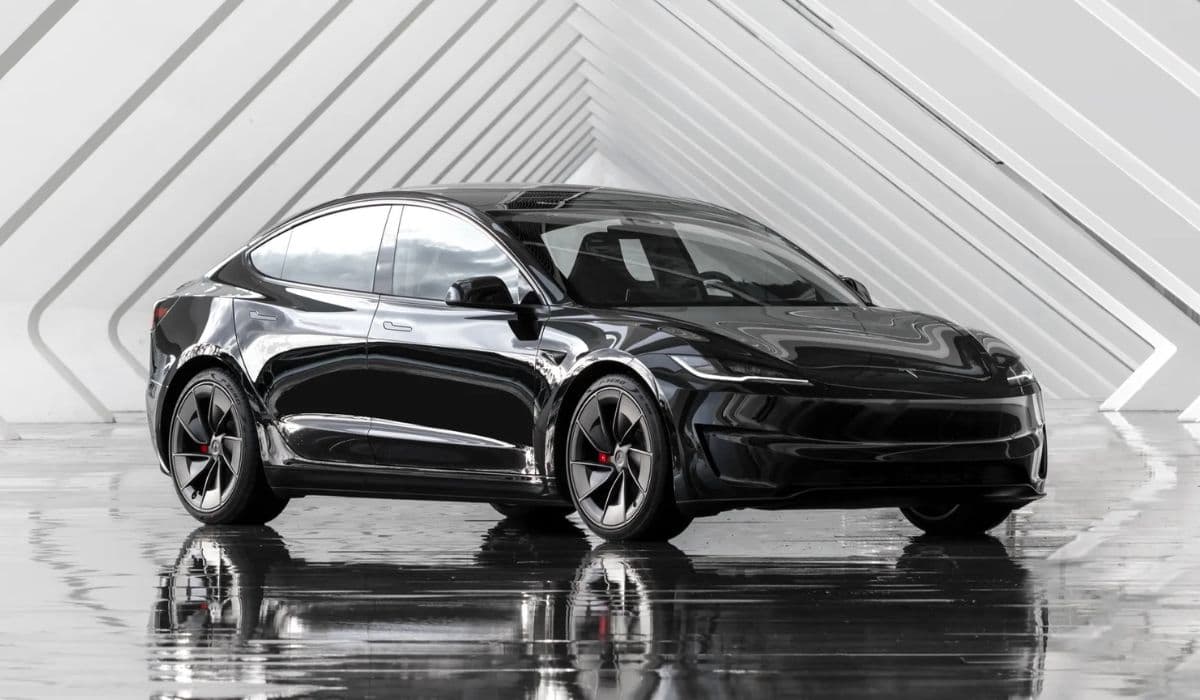
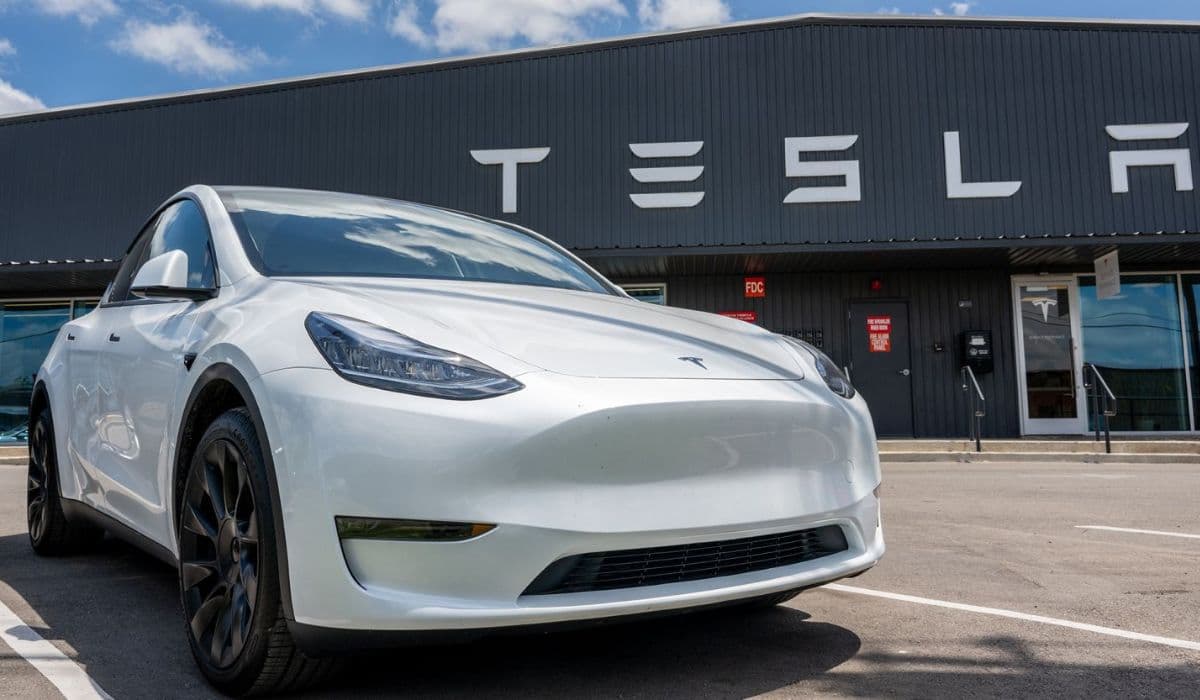
Tesla's foray into the insurance sector began as a strategic move to address the unique challenges faced by electric vehicle owners. Traditional insurers often viewed Tesla models as high-risk due to their advanced technology, expensive repairs, and perceived novelty in the automotive landscape. However, by 2025, Tesla Insurance had matured into a sophisticated program that leverages real-time data from vehicles to offer personalized premiums. This shift marked a departure from conventional rating systems reliant on broad demographics like age, location, and driving history alone.
Initially launched in select states like California and Texas, Tesla Insurance expanded nationwide by mid-2024, incorporating features that directly tie premiums to actual driving behavior. The program's foundation rests on telematics—data collected from the car's sensors, cameras, and software. This includes metrics on acceleration, braking, turning, and adherence to speed limits. By 2025, enhancements in data processing allowed Tesla to refine its algorithms, resulting in more accurate risk assessments. Insurers outside Tesla's ecosystem began noticing these trends, prompting them to adjust their own models for electric vehicles.
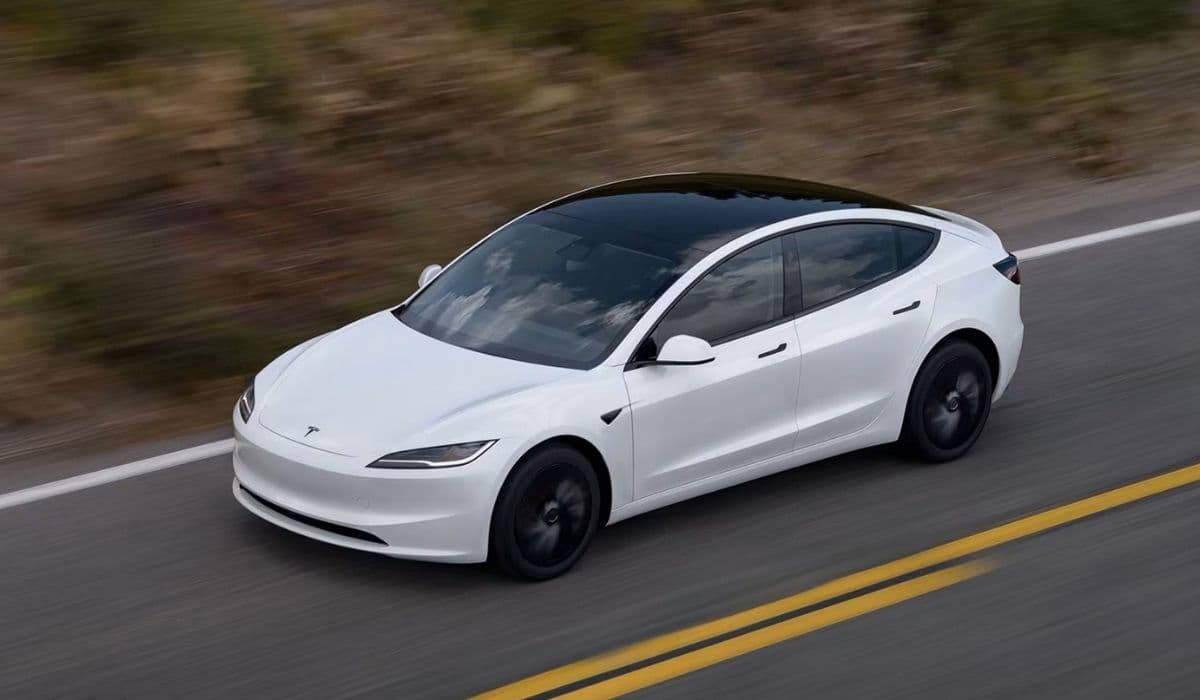
One key development was the integration of vehicle-specific factors into premium calculations. For instance, models equipped with the latest hardware, such as the HW4 suite in 2025 Model 3 and Model Y variants, provided richer datasets. This led to a broader understanding of how Tesla's over-the-air updates improve vehicle safety over time. As a result, owners who kept their software current experienced noticeable rate reductions. Industry analysts estimate that this data-centric approach contributed to an overall stabilization of costs, setting the stage for the observed 20% drop in average rates across Tesla's insured fleet.
Impact of Full Self-Driving Technology
Full Self-Driving (FSD) capabilities have been pivotal in reshaping insurance dynamics for Tesla owners. By 2025, FSD version 14.2 and subsequent iterations demonstrated significant strides in autonomy, reducing human error in various driving scenarios. Elon Musk's announcements in early 2025 highlighted that FSD achieved a safety profile surpassing average human drivers, with accident probabilities dropping by factors of three to five in controlled tests.
This technological leap directly influenced insurance rates. With FSD engaged, vehicles log fewer incidents related to distracted driving, lane departures, or collision avoidance failures. Tesla's internal data from millions of miles driven under FSD supervision showed a 30% reduction in at-fault accidents compared to manual driving modes. Insurers, including Tesla's own division, factored this into their models, offering discounts for users who activated FSD for a substantial portion of their trips—often 70% or more.
Moreover, regulatory approvals played a role. In states like Nevada and Arizona, where autonomous features received broader endorsements, insurance providers adjusted premiums downward to reflect lower liability risks. For example, a 2025 Model Y owner utilizing FSD Supervised could see premiums 15-25% lower than those without it. This wasn't just about fewer crashes; it was also tied to predictive maintenance alerts from FSD, which preemptively addressed issues like tire wear or brake degradation, further minimizing claims.
The ripple effect extended to repair costs. FSD's proactive collision avoidance reduced the severity of incidents, leading to cheaper fixes. Body shops reported that post-2024 Tesla models involved in minor fender-benders required 18% less in parts and labor, thanks to reinforced structures and sensor redundancies. These savings trickled down to policyholders, amplifying the overall 20% rate decline observed industry-wide for Tesla vehicles.
Data-Driven Pricing and Safety Scores
At the heart of Tesla Insurance's rate adjustments lies the Safety Score system, a gamified metric that evaluates driving habits on a scale of 0 to 100. Introduced earlier but refined in 2025, this score incorporates real-time feedback from the vehicle's array of sensors. Factors such as forward collision warnings, hard braking events, aggressive turning, and unsafe following distances are weighted to produce a monthly average.
In 2025, Tesla enhanced the Safety Score with new parameters, including nighttime driving efficiency and adherence to traffic signals via camera-based recognition. Drivers maintaining scores above 95 qualified for premium reductions of up to 60%, according to Tesla's support documentation. This personalization meant that safe drivers weren't subsidizing riskier ones, a common grievance with traditional insurance.
Aggregate data from Tesla's fleet revealed compelling trends. By Q3 2025, the average Safety Score across insured vehicles rose to 92, up from 88 in 2024, correlating with a 22% drop in claim frequencies. This improvement stemmed from user education through the Tesla app, which provides tips and simulations to boost scores. For instance, avoiding rapid acceleration could alone improve a score by 5-10 points, translating to $20-50 monthly savings on a typical policy.
Furthermore, Tesla partnered with reinsurers to validate these metrics against national accident databases. Studies showed Tesla vehicles with high Safety Scores had claim costs 35% below the electric vehicle average. This empirical evidence convinced more carriers to adopt similar telematics, but Tesla's proprietary access to vehicle data gave it an edge, enabling the 20% rate cut that outpaced competitors.
Market Dynamics and Competition
The broader auto insurance market in 2025 experienced a slowdown in rate hikes, averaging just 7.5% nationally after steeper increases in prior years. For Tesla, however, competitive pressures amplified this trend downward. As more electric vehicles flooded the market from rivals like Rivian and Ford, insurers diversified their portfolios, spreading risk and reducing premiums for established players like Tesla.
Tesla Insurance's expansion to cover non-Tesla vehicles in select regions intensified competition. By offering rates 10-20% below market averages for safe drivers, it forced legacy insurers like Geico and Progressive to lower quotes for Tesla models to retain customers. A 2025 survey by NerdWallet indicated that switching to Tesla Insurance saved owners an average of $400 annually, with even greater savings in high-cost states like Florida and New York.
Supply chain improvements also factored in. By 2025, Tesla's gigafactories produced parts at scale, cutting repair times from weeks to days. This efficiency reduced loss ratios for insurers—the percentage of premiums paid out in claims—dropping from 75% in 2024 to 62% in 2025. Combined with lower reinsurance costs due to favorable loss histories, these dynamics enabled across-the-board rate reductions.
Vandalism and theft rates, once a concern for Tesla's distinctive designs, declined thanks to enhanced security features like Sentry Mode upgrades. Data from 2025 showed a 15% decrease in such incidents, further justifying lower premiums.
Economic Factors Influencing Rates
Economic stabilization in 2025 played a subtle yet significant role in Tesla insurance rate declines. Inflation cooled to around 2.5%, easing pressures on repair and medical costs that typically drive up premiums. For Tesla, this meant stabilized pricing for aluminum bodies, battery components, and electronic modules, which are costlier than those in gasoline vehicles.
Interest rate cuts by the Federal Reserve encouraged more vehicle financing, boosting Tesla sales and expanding the insured base. A larger pool of policyholders allowed for better risk distribution, enabling rate cuts without sacrificing profitability. Tesla reported a 25% increase in insurance enrollments in 2025, attributing it to word-of-mouth from satisfied customers experiencing lower rates.
Demographic shifts also contributed. Younger drivers, drawn to Tesla's tech appeal, adopted safer habits influenced by the Safety Score, reducing overall accident rates. In urban areas, where Tesla ownership is concentrated, improved infrastructure like dedicated EV lanes and charging networks minimized collision risks.
Global supply chain recoveries post-pandemic ensured parts availability, slashing downtime and claims. Analysts from EV Magazine noted that these factors collectively shaved 8-12% off premiums, compounding with tech-driven savings to reach the 20% threshold.
Future Outlook for Tesla Owners
Looking ahead, Tesla insurance trends suggest continued downward pressure on rates. Anticipated FSD unsupervised approvals in 2026 could slash premiums by another 15-30%, as liability shifts toward the manufacturer in autonomous modes. Tesla's ventures into robotaxis and fleet insurance may further democratize low-cost coverage.
Owners should monitor software updates, as each iteration refines safety algorithms. Integrating AI for predictive risk assessment could personalize rates even more, potentially rewarding eco-friendly driving patterns like efficient energy use.
For those shopping policies, comparing Tesla Insurance against third-party options remains crucial. Tools like multi-quote aggregators highlight how Tesla's data advantage often yields the best deals. As the ecosystem evolves, proactive engagement with vehicle features will be key to maximizing savings.
More from Tesla

Tesla brake regen: Efficient but pedal feel confuses new owners
23.12.2025 14:35
Tesla battery degradation: Minimal with better management
23.12.2025 12:43
Tesla Highland interior: Premium feel but missing features
23.12.2025 12:40
Tesla Cybertruck range: Strong city but disappointing highway
23.12.2025 12:32
Tesla J.D. Power: High satisfaction despite service waits
23.12.2025 12:29