Tesla Model 3 Highland: Quieter ride but no stalks frustration
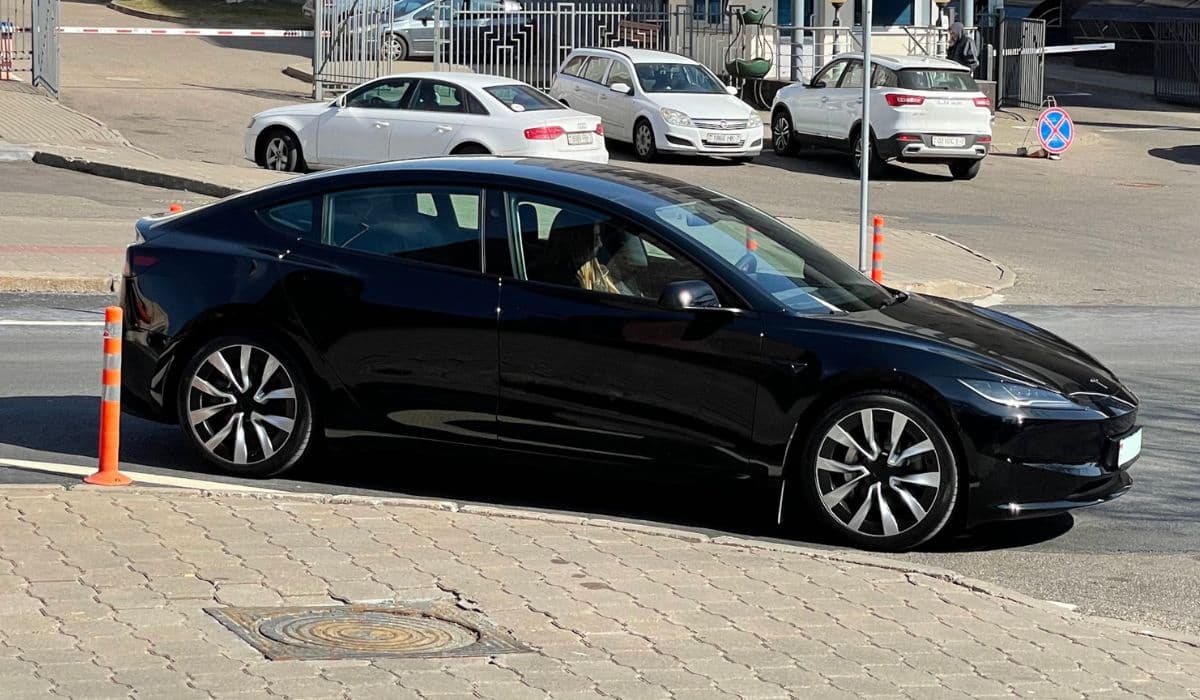
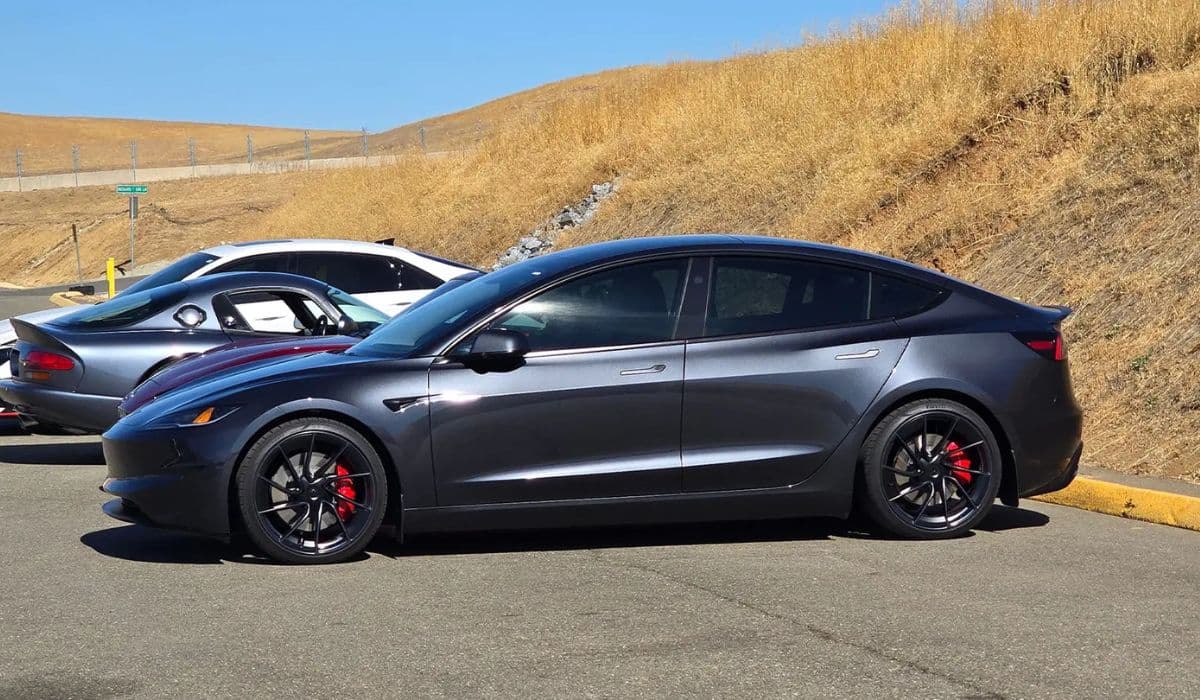
The refreshed Tesla Model 3, known as the Highland update, has transformed one of the most common complaints about the original model: cabin noise. Previous versions were often criticized for excessive road and wind noise infiltrating the interior, especially at highway speeds. The Highland addresses this head-on with comprehensive engineering changes that deliver a noticeably more serene driving environment.
Key enhancements include double-laminated acoustic glass on all windows, not just the front ones as before. This upgrade significantly dampens external sounds. Improved door seals, revised aerodynamics with a sleeker front end, and softer interior materials further contribute to reducing noise, vibration, and harshness (NVH). Tesla claims around a 20% overall NVH improvement, and real-world drives confirm this—highway cruising feels remarkably hushed, with wind rush over the windshield and roof far less intrusive.
Reduced tire roar thanks to optimized Michelin tires with lower rolling resistance
Better isolation from road imperfections through refined suspension bushings
Overall cabin ambiance that rivals more premium sedans in quietness
Drivers report that conversations are easier, music sounds clearer, and long trips are less fatiguing. The electric powertrain was already silent, but now the entire experience feels more refined and luxurious.
Suspension Refinements for Smoother Journeys
Complementing the quieter cabin is a dramatically improved ride quality. The Highland introduces frequency-selective dampers that adapt passively to different road impacts, absorbing bumps without sacrificing handling precision. New front suspension geometry and stiffer yet more compliant bushings throughout make the car feel more composed.
Compared to earlier Model 3s, which could feel firm and jarring over potholes, the updated version glides over imperfections with buttery smoothness. Head toss and body jiggle are minimized, while the rear axle handles rough patches without the previous "crash through" sensation.
Enhanced comfort on uneven roads without losing sporty responsiveness
Planted feel during cornering, maintaining the Model 3's engaging dynamics
Better rear passenger experience, with less transmitted vibration
This balance makes the Highland ideal for daily commutes and extended drives alike, elevating it closer to luxury EV competitors.
The Controversial Shift to Stalkless Design
While the acoustic and ride improvements are widely praised, one change has sparked intense debate: the removal of traditional steering column stalks for turn signals and gear selection. In their place are capacitive buttons on the steering wheel spokes for indicators, with gear shifting handled via swipe gestures on the touchscreen.
This minimalist approach aims for a cleaner interface, aligning with Tesla's vision of preparing for higher levels of autonomy where physical controls become less necessary. Some owners adapt quickly, appreciating that their thumbs stay on the wheel without reaching for stalks.
However, many find it frustrating, especially in dynamic situations:
Roundabouts and multi-lane changes, where the wheel's rotation can misalign buttons with intuitive expectations
Quick maneuvers requiring precise signaling without looking down
Muscle memory from decades of stalk use clashing with the new system
Critics argue it adds cognitive load, potentially distracting during critical moments. In regions with frequent complex intersections, the absence of fixed stalks feels like a step backward in ergonomics. Aftermarket solutions have emerged, indicating strong demand for restoring traditional controls.
Interior Upgrades and Daily Living Enhancements
Beyond noise and ride, the Highland boasts a more premium interior. Softer materials replace hard plastics on touch points, ambient lighting wraps around the cabin for a modern glow, and ventilated front seats add comfort in warm weather. The audio system is upgraded with clearer sound reproduction, benefiting from the quieter environment.
Rear passengers gain an 8-inch touchscreen for climate and entertainment controls, making family trips more enjoyable. Build quality feels tighter, with solid door thuds and fewer rattles reported.
Customizable ambient lighting enhances nighttime drives
Perforated, supportive seats with better cushioning
Streamlined dashboard for a futuristic, uncluttered look
These touches make the cabin feel more upscale and inviting for extended time behind the wheel.
Balancing Innovation with Practicality
The Tesla Model 3 Highland represents a thoughtful evolution, excelling in creating a peaceful, comfortable sanctuary on wheels. The reductions in noise and harshness, paired with superior ride tuning, address core weaknesses and make it one of the most refined affordable EVs available.
Yet the stalkless steering wheel remains a polarizing choice that frustrates a significant portion of drivers, highlighting the tension between bold minimalism and proven usability. For those prioritizing serenity and efficiency, the pros often outweigh the cons after adaptation. Test drives reveal personal preferences quickly—many embrace the changes, while others miss the familiarity.
Ultimately, the Highland pushes the Model 3 forward in refinement, proving Tesla's commitment to iterative improvement while sparking discussions on where innovation enhances versus complicates the driving experience.
More from Tesla
Tesla battery degradation after 100K miles: Real owner data
17.12.2025 15:27
Overall Tesla ownership cost 2025: Cheaper than gas after 3 years?
17.12.2025 12:13
Tesla Cybertruck vs Ford F-150 Lightning: Towing and charging showdown
17.12.2025 05:57
2025 refreshed Tesla Model X: Worth upgrading from old raven?
17.12.2025 04:14
Tesla heat pump problems in winter: 2025 still an issue?
17.12.2025 01:02