Tesla Model 3 Performance: Blazing fast but numb steering feel
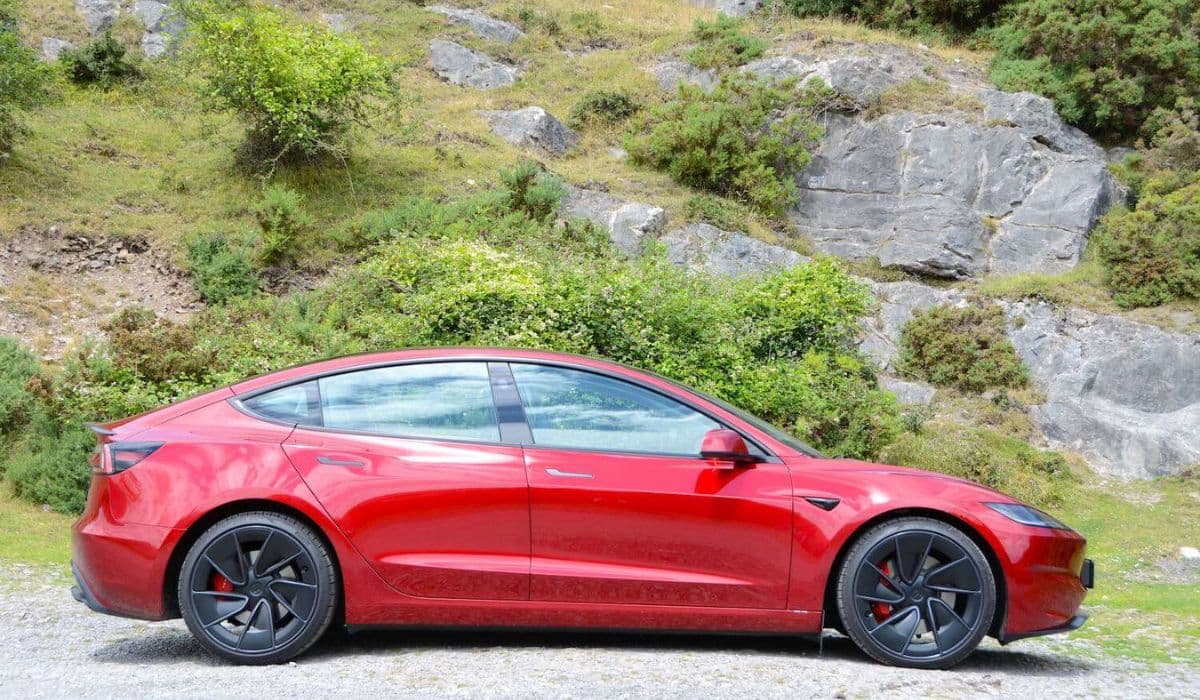
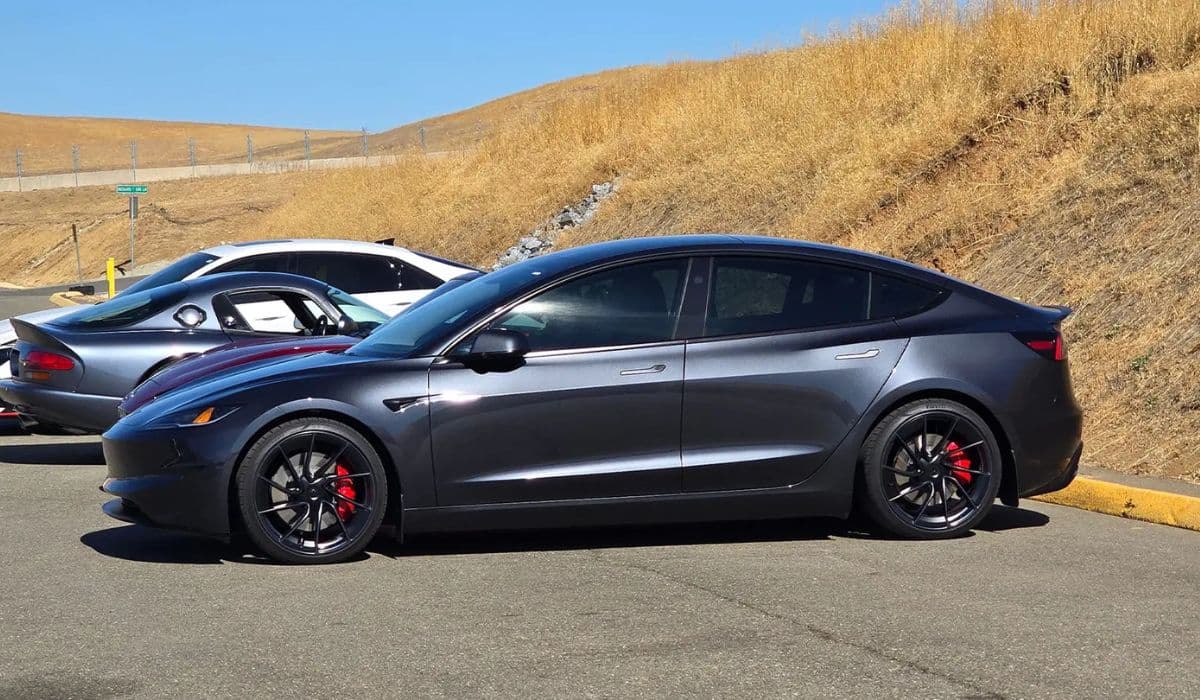
The Tesla Model 3 Performance stands out as one of the most exhilarating electric sedans on the market, delivering supercar-level acceleration in a practical package. Its dual-motor setup unleashes instant torque that propels the car forward with relentless force, making every throttle input feel like unleashing a rocket. Yet, while the straight-line speed is undeniably addictive, the driving experience reveals a notable drawback: the steering lacks the communicative feedback that enthusiasts crave, often described as numb and detached.
Unmatched Acceleration and Power Delivery
At the heart of the Model 3 Performance's appeal is its blistering performance. The all-wheel-drive system combines front and rear motors to produce staggering horsepower and torque, resulting in launches that pin occupants to their seats.
Instant torque delivery eliminates any lag, allowing seamless overtakes and effortless merging onto highways.
The power builds progressively yet overwhelmingly, making high-speed pulls feel effortless and linear.
Track Mode enhances the experience further by allowing drivers to tweak power distribution, stability control, and regenerative braking for optimized laps.
This raw speed transforms everyday drives into thrilling events, outpacing many traditional sports cars in pure acceleration while maintaining the silence and smoothness unique to electric propulsion.
Handling and Chassis Dynamics
Tesla has refined the Model 3 Performance's chassis with adaptive dampers, upgraded suspension geometry, and stickier tires, creating a car that grips tenaciously through corners. The low center of gravity from the floor-mounted battery pack contributes to minimal body roll, giving the sedan a planted and confident stance.
Exceptional grip levels allow aggressive cornering without drama, thanks to wide tires and precise weight distribution.
The quick steering ratio enables rapid direction changes, making the car feel agile despite its weight.
Adaptive damping adjusts in real-time, balancing comfort on rough roads with firmness during spirited driving.
On twisting roads, the Model 3 Performance excels in composure, rewarding confident inputs with predictable responses and high limits before intervention from electronic aids.
The Steering Conundrum: Precision Without Feel
Despite the impressive dynamics elsewhere, the steering remains a point of contention. Electric power assistance prioritizes effortless low-speed maneuvering and consistency, but it filters out much of the road's texture and feedback.
The wheel offers adjustable effort levels—Comfort for light inputs, Standard for balance, and Sport for added weight—but none significantly improve communication.
Self-centering is quick and artificial, lacking the natural build-up of resistance found in hydraulically assisted systems.
While accurate and direct, the setup feels isolated, reducing the sense of connection between driver, car, and road surface.
This numbness means that while the car goes exactly where pointed with sharpness, it doesn't convey the subtle nuances of tire load or grip changes, diminishing involvement on engaging routes.
Interior and Daily Usability
Inside, the minimalist cabin focuses attention on the large central touchscreen, which controls nearly everything from climate to entertainment. Supportive sport seats hold occupants firmly during hard acceleration, and the low dashboard enhances visibility.
Ample rear space and trunk capacity make it practical for daily use and longer trips.
Quiet cabin insulation suppresses wind and tire noise, amplifying the serene electric drive.
Over-the-air updates continually refine features, adding functionality without visits to a service center.
The blend of performance and usability makes the Model 3 Performance a versatile choice for those seeking excitement without sacrificing practicality.
Braking and Regenerative Systems
Blending regenerative braking with traditional friction brakes provides strong stopping power and efficient energy recuperation. Adjustable regen levels allow one-pedal driving in urban settings.
Strong initial bite combined with smooth modulation ensures confident deceleration.
In performance modes, regen helps manage speed entry into corners while recapturing energy.
The pedal feel is progressive, though the transition between regen and friction can occasionally feel vague under hard use.
Overall, the system supports both efficient commuting and track-oriented braking without compromise.
Why It Still Captivates Despite Flaws
The Tesla Model 3 Performance masterfully combines hypercar acceleration with sedan practicality, setting benchmarks in electric performance. Its speed is intoxicating, and handling capabilities impress with grip and poise. However, the numb steering tempers the enthusiasm for drivers seeking deep involvement, prioritizing precision over tactile dialogue. For those who value raw thrust and technological edge over traditional feedback, it remains a compelling option that redefines fast daily drivers.
More from Tesla
Tesla battery degradation after 100K miles: Real owner data
17.12.2025 15:27
Overall Tesla ownership cost 2025: Cheaper than gas after 3 years?
17.12.2025 12:13
Tesla Cybertruck vs Ford F-150 Lightning: Towing and charging showdown
17.12.2025 05:57
2025 refreshed Tesla Model X: Worth upgrading from old raven?
17.12.2025 04:14
Tesla heat pump problems in winter: 2025 still an issue?
17.12.2025 01:02