Tesla Model X falcon doors: Iconic but ongoing failure risks
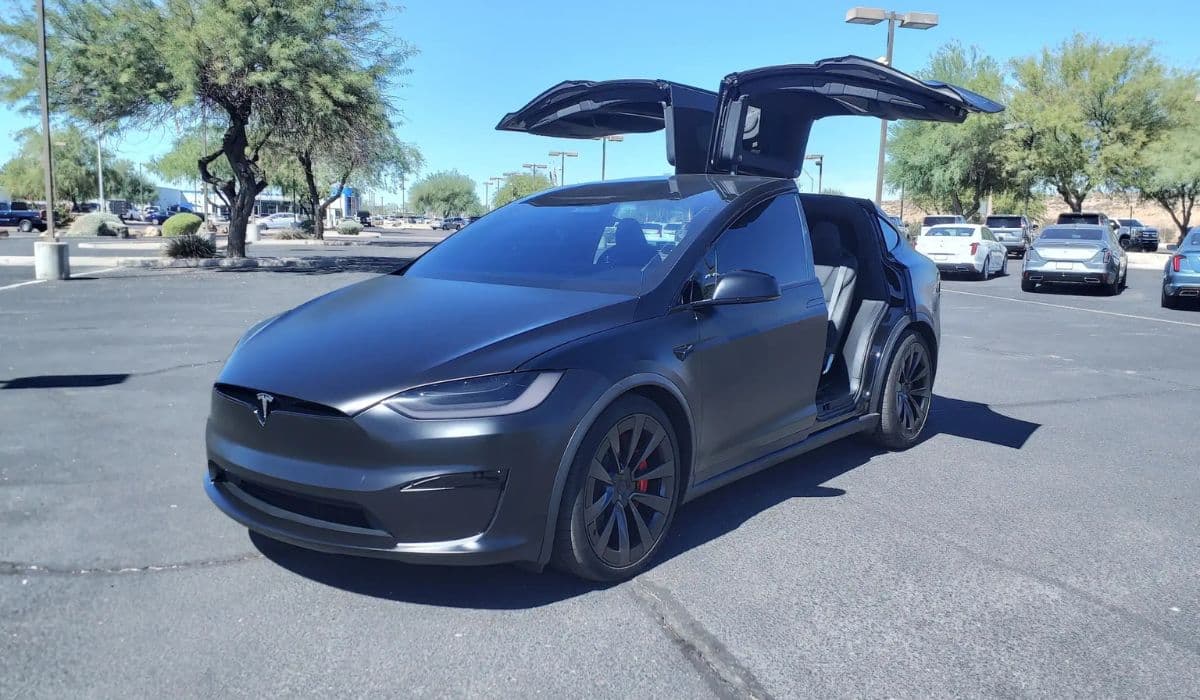
The Tesla Model X stands out in the electric vehicle landscape not just for its performance and spacious interior, but primarily for its distinctive falcon wing doors. These rear doors, which open upward with a double-hinged mechanism reminiscent of a bird's wings, have become one of the most recognizable features in modern automotive design. They embody Tesla's commitment to innovation, turning heads wherever the vehicle goes and setting the Model X apart from conventional SUVs.
The Allure of the Falcon Wing Design
What makes the falcon wing doors so captivating? At their core, they solve practical problems in clever ways while adding a dramatic flair.
Enhanced accessibility: The upward-opening design provides unobstructed entry to the second and third rows, making it effortless to load passengers or cargo without dodging swinging doors.
Tight space compatibility: Ultrasonic sensors detect nearby obstacles, allowing the doors to articulate outward minimally before rising, enabling full operation even when parked close to other vehicles or walls.
Family-friendly convenience: Parents appreciate the wide opening for installing child seats or helping children in and out, with ample headroom under the raised door.
Futuristic appeal: The smooth, powered motion controlled via key fob, app, or touchscreen gives the Model X a sci-fi aesthetic that draws admiration and conversation.
These elements combine to make the doors not just functional but a statement of engineering ambition, elevating everyday tasks into something memorable.
Engineering Complexity Behind the Elegance
The falcon wing doors are a marvel of mechanical and electronic integration. Each door features multiple hinges, powerful actuators, and an array of ultrasonic sensors embedded around the edges. These sensors constantly scan for obstacles above, beside, and below, adjusting the door's path dynamically to avoid collisions.
This system allows the doors to open in confined spaces where traditional doors would be impractical. However, this sophistication comes with inherent challenges. The doors rely on precise calibration of motors, sensors, and software algorithms. Any minor deviation—whether from manufacturing tolerances, wear over time, or environmental factors—can disrupt smooth operation.
Common Issues Plaguing Owners
Despite refinements over the years, falcon wing doors continue to be a frequent source of frustration for many Model X owners. Forums and owner communities are filled with reports of persistent problems.
False obstacle detection: Sensors often misinterpret shadows, rain, or even nothing at all, causing doors to halt midway or refuse to open fully.
Inconsistent opening and closing: Doors may beep warnings, require manual overrides, or stop abruptly, leading to repeated service visits.
Misalignment and mechanical wear: Hinges and struts can develop rattles or fail to latch properly, sometimes exacerbated by temperature changes.
Weather-related glitches: In cold conditions, mechanisms may stiffen or sensors falter, while rain can cause water ingress issues when doors are opened.
These malfunctions aren't isolated to older models; recent owner experiences highlight ongoing sensor sensitivities and the need for recalibrations or part replacements.
Why Problems Persist Despite Improvements
Tesla has addressed many early flaws through over-the-air updates and hardware tweaks, improving sensor accuracy and motor reliability. Yet the fundamental complexity remains a double-edged sword.
The multi-joint design demands perfect synchronization, leaving little margin for error. Ultrasonic sensors, while advanced, can be overly cautious or prone to dirt accumulation and calibration drift. Owners report that even minor issues, like loose sensor mounts, can cascade into major inconveniences.
For families relying on rear seats daily, these quirks turn a premium feature into a potential liability, prompting multiple trips to service centers and eroding trust in the vehicle's dependability.
Weighing the Pros Against the Risks
The falcon wing doors undeniably add magic to the Model X experience—turning routine parking into a spectacle and solving real-world usability hurdles. For those who rarely encounter issues, they are a beloved highlight, especially in urban settings or with young children.
However, the ongoing risk of failures cannot be ignored. Prospective buyers must consider if the iconic style outweighs the possibility of intermittent malfunctions that disrupt daily life. While many owners adapt by learning overrides or scheduling proactive maintenance, others view the doors as an unnecessary complication in an otherwise stellar vehicle.
Ultimately, the falcon wing doors encapsulate Tesla's bold vision: groundbreaking innovation that captivates but occasionally falters under real-world demands.
More from Tesla

Tesla battery degradation after 100K miles: Real owner data
17.12.2025 15:27
Overall Tesla ownership cost 2025: Cheaper than gas after 3 years?
17.12.2025 12:13
Tesla Cybertruck vs Ford F-150 Lightning: Towing and charging showdown
17.12.2025 05:57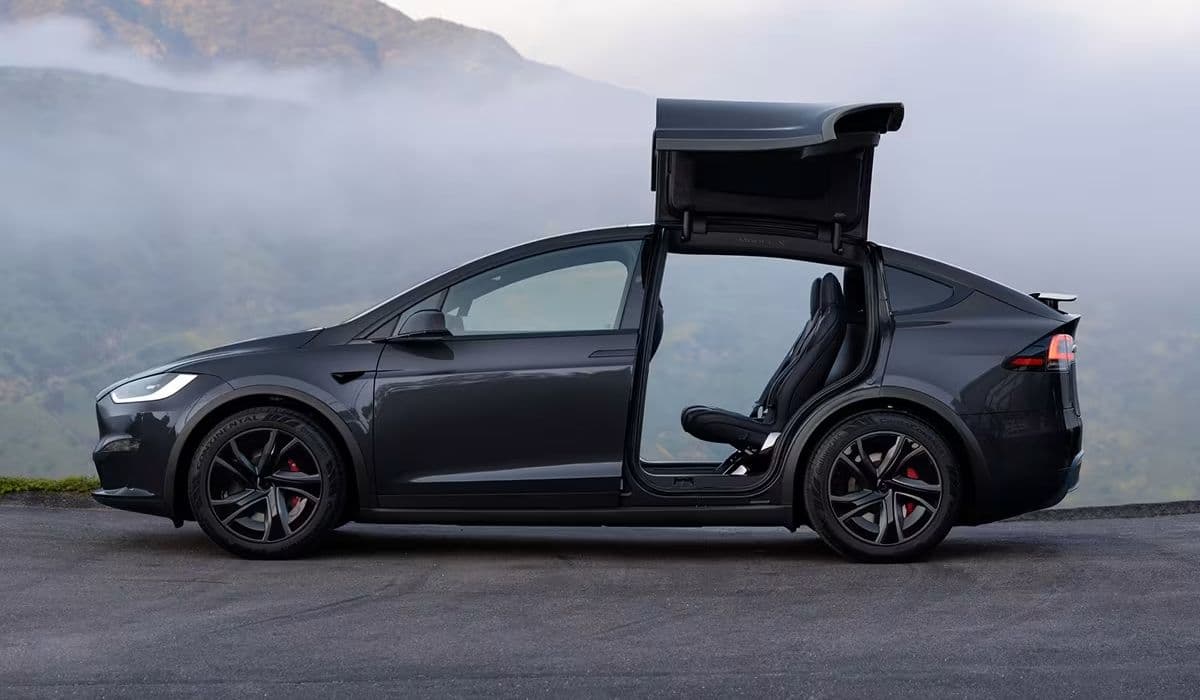
2025 refreshed Tesla Model X: Worth upgrading from old raven?
17.12.2025 04:14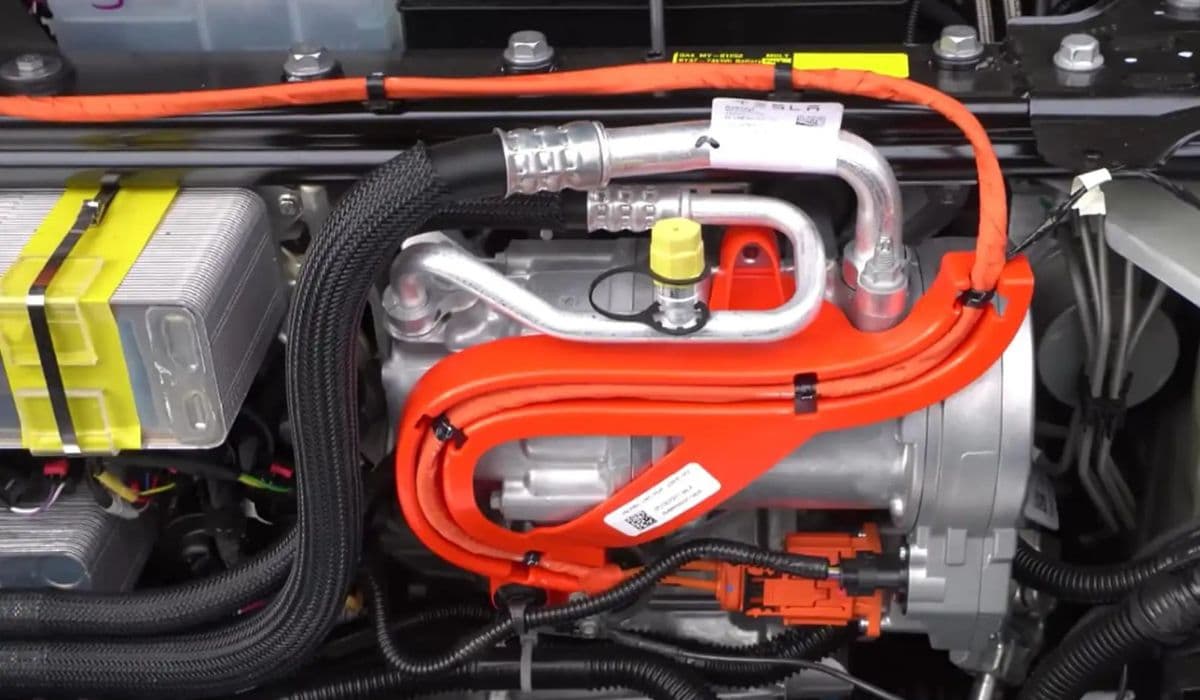
Tesla heat pump problems in winter: 2025 still an issue?
17.12.2025 01:02