idyCar logo

Tesla Model Y Juniper hints: Better but delayed in 2025
Tesla23.12.2025 11:51
Tesla Model Y Juniper hints: Better but delayed in 2025
Image credit: idyCar archives

The Tesla Model Y has dominated the electric vehicle market since its launch, blending practicality with cutting-edge technology. As whispers of a significant update codenamed "Juniper" circulate, enthusiasts and potential buyers are eager for details. This refresh promises to elevate the Model Y's appeal, drawing inspiration from the successful Highland update applied to the Model 3. Early indications suggest enhancements in design, efficiency, and user experience, but production timelines point to a rollout not before mid-2025. Drawing from leaked prototypes spotted in testing phases, the Juniper variant aims to address current limitations while pushing boundaries in sustainable mobility.

Tesla's approach to vehicle updates often involves iterative improvements based on real-world data from its vast fleet. The Model Y, already a bestseller with over a million units sold globally, stands to benefit from refinements that could solidify its position against rising competition from brands like Ford, Hyundai, and Rivian. Key hints from industry insiders and spy shots reveal a focus on aerodynamics and interior comfort, potentially extending range without increasing battery size. However, supply chain adjustments and strategic priorities have shifted the launch window, creating a mix of excitement and impatience among the Tesla community.

Exterior Design Evolutions in the Juniper Update

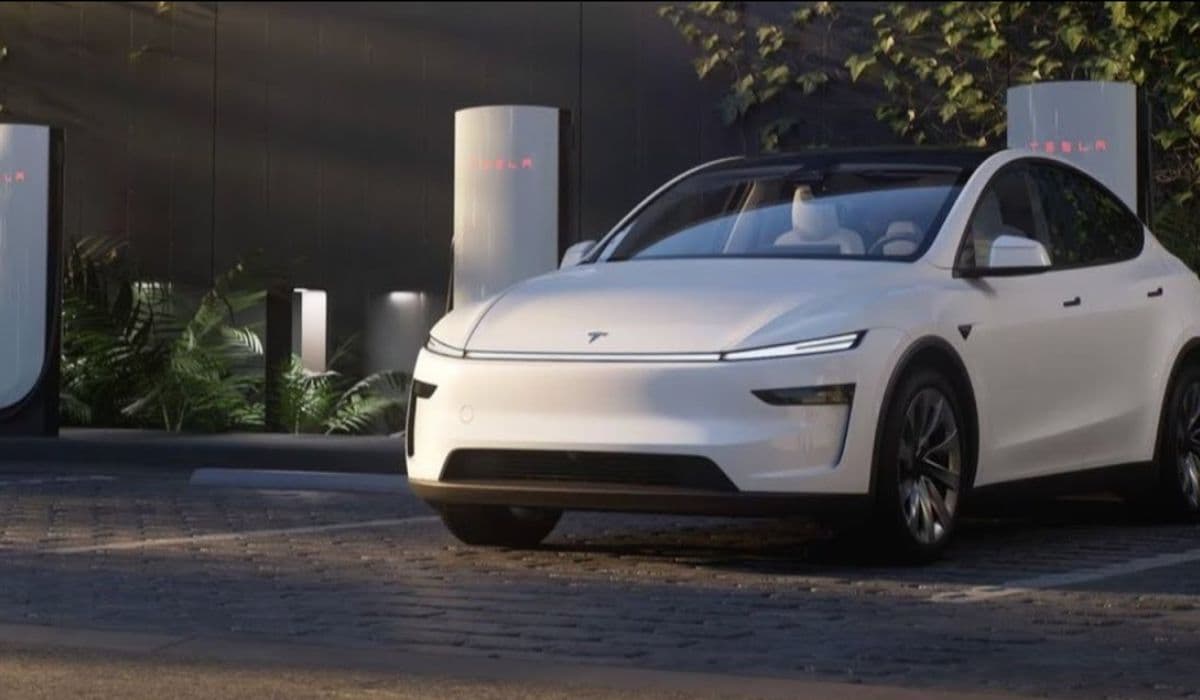
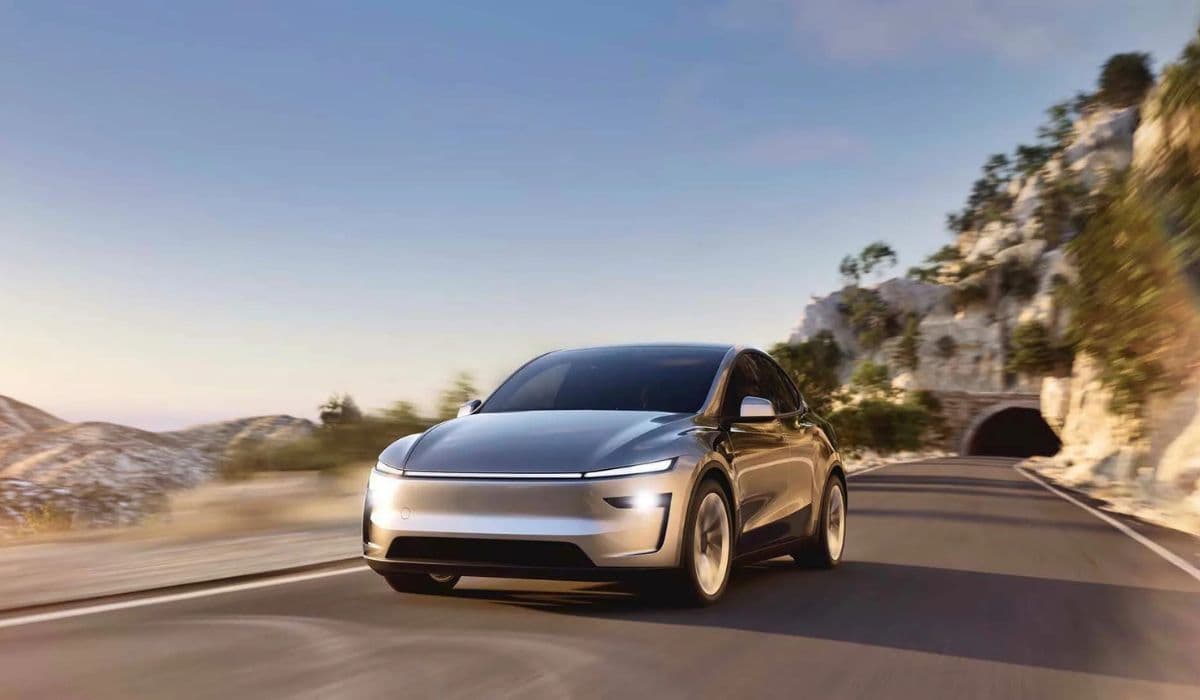
Spy photos from Gigafactory Shanghai and California test tracks have provided the first glimpses of the Model Y Juniper's exterior changes. The front fascia appears sleeker, with redesigned headlights incorporating sharper LED signatures similar to those on the updated Model 3. This could reduce drag coefficient, contributing to better energy efficiency during highway driving. Rear-end modifications include connected taillights spanning the width of the vehicle, enhancing visibility and giving a more premium aesthetic.

Wheel options might expand, with new aerodynamic covers designed to minimize turbulence. Color palettes could introduce fresh hues, including deeper metallic tones observed on prototypes. Structural tweaks, such as a slightly revised roofline, aim to improve cabin space without altering the overall footprint. These alterations not only refresh the visual appeal but also align with Tesla's goal of optimizing for autonomous driving features, ensuring better sensor integration for Full Self-Driving hardware.

Materials used in the bodywork may shift toward more lightweight composites, potentially shaving off weight to boost acceleration and handling. Early estimates suggest the Juniper could achieve a 0-60 mph time under 4.5 seconds in performance trims, surpassing the current Long Range model's capabilities. Such design choices reflect Tesla's data-driven philosophy, where over-the-air updates have already fine-tuned existing models, but hardware refreshes like Juniper provide foundational upgrades.

Powertrain and Battery Advancements on the Horizon

At the heart of the Model Y Juniper lies potential upgrades to its powertrain. Rumors point to the adoption of a more efficient rear motor, possibly borrowed from the Cybertruck's architecture, which could enhance torque distribution in all-wheel-drive configurations. Battery chemistry might evolve toward higher-density cells, allowing for ranges exceeding 350 miles on a single charge in standard variants, up from the current 320 miles.

Efficiency gains are expected through improved thermal management systems, reducing energy loss in extreme weather conditions. Regenerative braking could see software and hardware tweaks for smoother operation, capturing more kinetic energy during deceleration. For those eyeing performance, a Plaid-inspired version isn't ruled out, though focus remains on mainstream appeal with balanced power delivery.

Charging capabilities may align with Tesla's latest Supercharger standards, supporting faster DC fast-charging rates up to 350 kW. This would minimize downtime on long trips, a critical factor for family-oriented crossovers like the Model Y. Integration with Tesla's expanding energy ecosystem, including Powerwall compatibility, could enable vehicle-to-grid features, turning the car into a mobile power source during outages.

Interior Overhauls for Enhanced Comfort and Connectivity

Stepping inside the anticipated Juniper refresh reveals a cabin transformed for modern drivers. Drawing from the Model 3 Highland, expect a redesigned dashboard with ambient lighting strips that adjust based on driving modes or time of day. The steering yoke might become optional, with a traditional wheel as standard to appease varied preferences. Rear passengers could benefit from heated and ventilated seats, addressing feedback on long-haul comfort.

The infotainment system, powered by Tesla's proprietary hardware, is poised for upgrades including a brighter, higher-resolution 15-inch touchscreen. Enhanced voice commands and integration with streaming services like Netflix and Spotify will persist, but with faster processing speeds to reduce lag. Over-the-air updates will continue to roll out new features, such as improved navigation with real-time traffic avoidance using fleet data.

Storage solutions may improve with deeper center consoles and adjustable cargo areas, maximizing the Model Y's utility as a family vehicle. Noise insulation could see advancements through laminated glass and active sound cancellation, creating a quieter ride at highway speeds. These interior changes not only boost daily usability but also position the Juniper as a tech haven, seamlessly blending automotive and digital lifestyles.

Technological Integrations and Autonomous Driving Progress

Tesla's commitment to autonomy shines in the Juniper hints, with potential inclusion of Hardware 4.0 for Full Self-Driving. This upgrade features more powerful cameras and radars, enabling better object detection in adverse conditions like fog or heavy rain. Software algorithms, refined through billions of miles of user data, could introduce unsupervised highway driving by launch time.

Connectivity extends to smart home integrations, allowing the Model Y to preheat your house or adjust lights upon approach. Biometric features, such as facial recognition for driver profiles, might personalize settings automatically. For safety, advanced driver-assistance systems will likely include more proactive collision avoidance, using AI to predict pedestrian movements.

Entertainment options could expand with rear screens for passengers, supporting gaming and video calls. Tesla's app ecosystem will deepen, offering remote diagnostics and energy usage analytics. These tech-forward elements underscore why the Model Y Juniper is viewed as a step toward fully realized electric mobility, where vehicles anticipate needs rather than just respond to commands.

Factors Contributing to the Postponed Rollout

Shifting the Juniper launch to 2025 stems from multiple strategic decisions. Tesla's resources have been heavily allocated to scaling Cybertruck production, which faced its own delays due to innovative manufacturing techniques like the 4680 battery cells. Global supply chain disruptions, including semiconductor shortages, have further complicated timelines for new model introductions.

Economic considerations play a role, with Tesla aiming to optimize costs amid fluctuating raw material prices for lithium and cobalt. Regulatory hurdles in key markets, such as Europe and China, require compliance testing for updated designs, extending development cycles. Internal priorities, including software stabilization for existing fleets, ensure that the Juniper arrives polished rather than rushed.

This delay allows Tesla to incorporate feedback from Model 3 Highland owners, refining Juniper specifics like suspension tuning for varied road conditions. By mid-2025, production ramps at facilities in Fremont and Shanghai should enable swift global distribution, minimizing wait times for eager customers.

Competitive Landscape Shifts with Juniper's Arrival

As the Model Y Juniper gears up for 2025, competitors are ramping up their offerings. Ford's Mustang Mach-E GT boasts impressive acceleration, but lacks Tesla's Supercharger network. Hyundai's Ioniq 5 N introduces sporty dynamics, yet trails in software sophistication. Rivian's R1S provides off-road prowess, appealing to adventure seekers outside the Model Y's urban focus.

Tesla's edge lies in its ecosystem, from seamless app controls to frequent updates that keep vehicles current. The Juniper could widen this gap with superior range and efficiency, pressuring rivals to accelerate their EV transitions. Market analysts predict the refresh will capture additional share in the midsize SUV segment, where electric adoption is surging.

Pricing strategies will be crucial, with base models potentially starting around $45,000 to remain accessible. Incentives like federal tax credits in the US could sweeten deals, boosting adoption rates. Overall, the Juniper positions Tesla to maintain leadership in a crowded field, emphasizing innovation over imitation.

Availability Projections and Customization Options

Rollout plans indicate initial availability in North America and China by Q2 2025, followed by Europe and other regions. Trim levels might include Standard Range, Long Range, and Performance, with all-wheel drive as standard on higher variants. Customization through Tesla's online configurator will allow choices in colors, wheels, and interior fabrics.

Battery options could vary by market, accommodating local regulations on energy density. Delivery estimates suggest 3-6 months post-order, depending on demand spikes. Tesla's direct-sales model ensures transparency, with real-time tracking via the app.

Upgrades like Enhanced Autopilot or Full Self-Driving subscriptions will remain optional, allowing buyers to tailor costs. These projections highlight Tesla's agile manufacturing, capable of adjusting output based on pre-order volumes.

More from Tesla

Back to Tesla