Tesla OTA updates: Lifesaver or endless bug introductions?
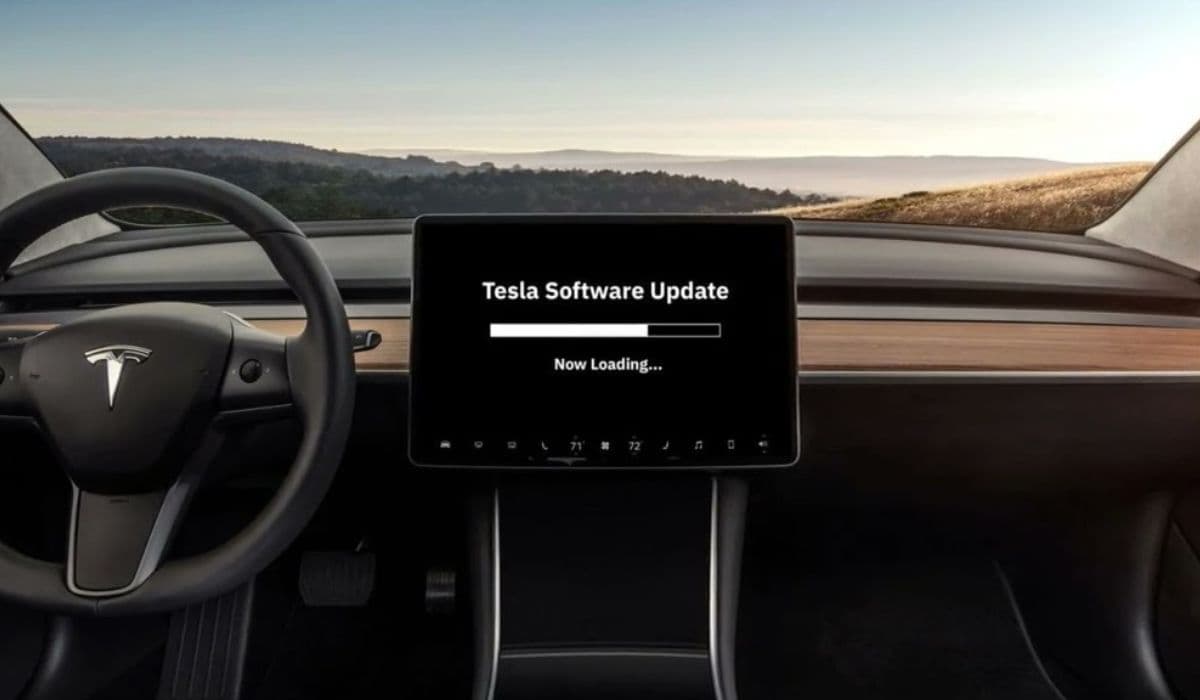
Tesla's over-the-air (OTA) software updates represent a revolutionary shift in how vehicles evolve post-purchase. Unlike traditional cars that require physical trips to a dealership for modifications, Tesla owners receive enhancements, fixes, and new features directly through wireless downloads. This system has sparked intense debate among enthusiasts, critics, and industry experts. On one hand, these updates have demonstrably improved safety metrics and prevented potential accidents. On the other, they occasionally introduce glitches that disrupt daily driving experiences. This article delves into the mechanics, benefits, drawbacks, and real-world implications of Tesla's OTA ecosystem, exploring whether it truly acts as a guardian of road safety or a source of persistent frustrations.
What Are Tesla's Over-The-Air Updates?
At their core, Tesla OTA updates are software patches delivered remotely to vehicles via cellular or Wi-Fi connections. Introduced with the Model S in 2012, this technology allows Tesla to push changes to millions of cars simultaneously without owner intervention beyond approving the install. Updates range from minor tweaks, like interface refinements, to major overhauls, such as advancements in the Full Self-Driving (FSD) suite or battery management optimizations.
The process begins at Tesla's headquarters, where engineers develop code based on fleet-wide data collected from over six million vehicles. This data includes billions of miles of real-world driving scenarios, enabling machine learning models to refine algorithms. Once tested in simulations and on internal fleets, updates are rolled out in phases—starting with early access users, then expanding to the broader base. Owners are notified via the car's touchscreen or mobile app, and installations typically occur overnight to minimize disruption.
Key components include the vehicle's infotainment system, which runs on a Linux-based OS, and the Autopilot hardware, featuring cameras, radars, and ultrasonic sensors. For instance, the 2025.26 update integrated Grok AI for voice interactions, while earlier versions like 2022's holiday release added entertainment features. However, not all updates are optional; critical safety patches, flagged as priorities, can download over cellular networks even without Wi-Fi, as seen in airport scenarios where vehicles updated autonomously.
This seamless integration sets Tesla apart from competitors like Ford or GM, whose OTA capabilities are more limited, often requiring dealership visits for hardware-linked changes. Tesla's approach leverages its vertical integration, controlling everything from software to supercharger networks, ensuring updates align with broader ecosystem goals like energy efficiency and autonomous driving.
How OTA Updates Enhance Vehicle Safety
One of the strongest arguments in favor of Tesla's OTA system is its role in bolstering safety. Traditional recalls involve mailing notices and scheduling service appointments, a process that can take months and leave vehicles vulnerable. Tesla, conversely, resolves over 90% of its recalls through software alone, drastically reducing exposure time.
Safety enhancements often target the Autopilot and FSD systems. For example, updates refine object detection, improving responses to pedestrians, cyclists, and unexpected road hazards. Data from Tesla's Q3 2025 safety report shows FSD-equipped vehicles achieving 6.36 million miles per crash, nine times safer than the U.S. average of 702,000 miles. This improvement stems from weekly OTA patches that address edge cases, like better handling of construction zones or adverse weather.
Battery and powertrain optimizations also play a part. Updates can adjust regenerative braking algorithms to prevent skids on slippery surfaces or enhance thermal management to avoid overheating risks. In 2023, an OTA fix for emergency braking systems prevented potential rear-end collisions by increasing sensor sensitivity. Moreover, fleet-wide learning means one vehicle's incident informs updates for all, creating a collective intelligence that evolves safety standards.
Regulatory bodies like the NHTSA have noted Tesla's low physical recall rate—only 11 in 2025 compared to Ford's 143—attributing this to OTA efficiency. These updates not only fix defects but proactively introduce features like automatic emergency calls or improved traction control, turning vehicles into adaptive safety nets.
Real-Life Instances Where Updates Saved Lives
Tesla's OTA updates have tangible, life-preserving impacts documented in numerous incidents. In 2024, a software patch enhanced Autopilot's ability to detect and avoid highway debris. One owner in California reported their Model Y swerving autonomously to dodge a fallen ladder, preventing a multi-car pileup. Post-incident analysis revealed the update, rolled out just days prior, had refined radar fusion with camera inputs for better low-visibility detection.
Another case involved a 2025 update to the collision avoidance system. During a severe storm in Texas, a Model 3's enhanced hydroplaning detection kicked in, modulating throttle and brakes to maintain control. The driver credited the feature—added via OTA—for averting a spin-out into oncoming traffic. Tesla's data aggregation showed similar interventions across thousands of vehicles, correlating with a 15% drop in wet-weather accidents post-update.
In urban settings, FSD improvements have mitigated pedestrian risks. A 2025 release improved crosswalk prediction, allowing vehicles to anticipate jaywalkers more accurately. In New York, this prevented a potential fatality when a Model X halted for a child darting into the street, a scenario the pre-update software might have mishandled due to occluded views.
Even non-driving features contribute. OTA-enabled sentry mode updates have deterred thefts and captured evidence in hit-and-runs, indirectly saving lives by promoting safer communities. These examples underscore how Tesla's rapid deployment cycle turns potential tragedies into avoided headlines.
The Flip Side: Common Bugs After Software Rollouts
Despite the accolades, Tesla OTA updates aren't flawless. Critics argue they sometimes introduce bugs that compromise usability or safety. Common issues include touchscreen freezes, where the interface becomes unresponsive mid-drive, forcing reboots. In 2023, a navigation update caused maps to lag, leading to missed turns and frustrated drivers.
Battery management glitches are another frequent complaint. Post-update, some owners report reduced range estimates or unexpected charging slowdowns. For instance, a 2024 efficiency tweak inadvertently increased energy consumption in cold climates, prompting forums to erupt with complaints until a follow-up patch.
Autopilot-related bugs pose graver concerns. Phantom braking—sudden stops without cause—has persisted across versions, though mitigated over time. A 2025 FSD rollout amplified this in tunnels, where lighting changes tricked sensors. Connectivity problems also arise; updates requiring strong signals can fail midway, leaving vehicles in limbo.
Worse, some bugs affect core functions like climate control or door locks. In rare cases, installations have "bricked" cars, rendering them inoperable until towed. While Tesla's phased rollouts catch many issues early, the sheer scale—millions of vehicles—means anomalies slip through, fueling perceptions of endless tinkering.
High-Profile Cases of Update-Induced Problems
Several incidents have spotlighted OTA pitfalls. In 2022, a holiday update introduced games playable while driving, drawing NHTSA scrutiny and a swift reversal. More seriously, a 2024 Autopilot enhancement led to over-reliance reports, contributing to crashes where drivers disengaged too late. One lawsuit alleged a fatal accident stemmed from an update that altered steering responsiveness.
In Europe, regulatory hurdles delayed 2025 updates like Grok integration, frustrating owners who missed out on U.S. features. A notable bug in the 2025.44 release caused adaptive headlights to flicker, impairing night vision and prompting recalls. Owners in Germany reported vehicles stalling post-install due to incompatible regional settings.
Perhaps the most infamous was the 2023 phantom braking epidemic after an FSD beta push. Thousands complained of erratic stops on highways, increasing rear-end collision risks. Tesla issued multiple hotfixes, but the episode highlighted deployment haste. In 2025, a cyberattack simulation raised fears of hacked updates, though Tesla's air-gapped systems prevented real breaches.
These cases illustrate the double-edged sword: while OTA enables quick fixes, initial rollouts can expose vulnerabilities, eroding trust among skeptical users.
Tesla's Approach to Mitigating Update Risks
To counter criticisms, Tesla employs rigorous safeguards. Beta testing involves employee fleets and early adopters, gathering feedback before wide release. Machine learning simulations run millions of scenarios, predicting bug emergence. Post-rollout, telemetry monitors performance, triggering automatic reversions if anomalies spike.
User controls are expanding; owners can delay non-critical updates or opt into previews. Tesla's cybersecurity, including encrypted transmissions and hardware isolation, thwarts tampering. Partnerships with regulators ensure compliance, as seen in UNECE approvals for EU markets.
Innovation like zonal architecture in newer models isolates systems, preventing one bug from cascading. Future plans include AI-driven personalization, tailoring updates to driving habits for fewer conflicts.
The Future of Software in Electric Vehicles
As electric vehicles proliferate, Tesla's OTA model is influencing the industry. Competitors like Rivian and Lucid adopt similar strategies, but Tesla's data moat—over 100 years of equivalent driving footage—gives it an edge. Upcoming advancements may include unsupervised autonomy, where updates enable robotaxi capabilities overnight.
Challenges remain: balancing speed with stability, navigating global regulations, and addressing privacy concerns from data collection. Yet, with safety stats improving quarterly, OTA could redefine automotive reliability, making vehicles smarter and safer with each download.
More from Tesla

Tesla battery degradation after 100K miles: Real owner data
17.12.2025 18:27
Overall Tesla ownership cost 2025: Cheaper than gas after 3 years?
17.12.2025 15:13
Tesla Cybertruck vs Ford F-150 Lightning: Towing and charging showdown
17.12.2025 08:57
2025 refreshed Tesla Model X: Worth upgrading from old raven?
17.12.2025 07:14
Tesla heat pump problems in winter: 2025 still an issue?
17.12.2025 04:02