Tesla out-of-warranty repairs: Affordable or shockingly expensive?
Tesla vehicles have revolutionized the automotive world with their cutting-edge technology, impressive performance, and eco-friendly design. However, as these electric cars age and surpass their warranty periods, owners often face a critical question: are the repair costs reasonable or prohibitively high? This exploration dives into the realities of maintaining a Tesla beyond its factory warranty, examining various components, real-world expenses, and strategies to manage them. By understanding the intricacies of Tesla's repair ecosystem, potential and current owners can make informed decisions about long-term ownership.
What Tesla's Warranty Covers and When It Ends
Tesla offers robust warranty coverage that varies by model and component, providing a safety net for early ownership years. The basic vehicle limited warranty typically lasts for 4 years or 50,000 miles, whichever comes first, covering defects in materials and workmanship. For the battery and drive unit, Tesla extends an 8-year warranty with mileage limits ranging from 100,000 to 150,000 miles, depending on the model—such as 120,000 miles for the Model 3 Standard Range or unlimited for the Model S Plaid. This extended protection ensures that high-voltage batteries retain at least 70% of their original capacity during this period.
Once these warranties expire, owners enter the out-of-warranty phase, where all repair costs fall directly on them. It's crucial to note that certain items like tires, brake pads, and wiper blades are considered wear-and-tear and aren't covered even under warranty unless defective. Tesla's over-the-air software updates can sometimes resolve minor issues without physical intervention, but hardware failures post-warranty require service center visits or third-party repairs. Service centers are Tesla-authorized facilities equipped with proprietary tools and parts, often leading to higher labor rates around $175 to $225 per hour. Third-party shops may offer lower prices but could void future warranty claims if not handled correctly, and they might lack access to Tesla-specific diagnostics.
Battery Pack Replacements and Associated Expenses
The battery pack is the heart of any Tesla, and its replacement is one of the most dreaded out-of-warranty expenses due to its complexity and cost. A full battery pack replacement for models like the Model 3 or Model Y can range from $13,000 to $20,000, including labor, while older Model S packs might exceed $22,000. These figures stem from the intricate design involving thousands of lithium-ion cells, cooling systems, and high-voltage components. Partial module replacements are sometimes feasible, costing $3,000 to $7,000 per module, but this depends on the specific failure mode, such as cell degradation or thermal management issues.
Diagnostic fees alone can add $200 to $500 before any work begins, as technicians use specialized equipment to assess battery health via Tesla's proprietary software. Recycling or disposal of the old pack incurs additional charges, often $200 to $400, due to environmental regulations. Factors like model year play a role; newer vehicles with LFP (lithium iron phosphate) batteries in entry-level models may have lower replacement costs around $10,000 to $15,000, but they still require certified technicians to handle high-voltage systems safely. Owners in colder climates might face accelerated degradation, pushing replacements sooner, while those in moderate areas could extend battery life through proper charging habits, like avoiding frequent DC fast charging.
Bodywork and Collision Repairs
Tesla's aluminum-intensive body construction enhances efficiency but complicates repairs, making bodywork one of the pricier out-of-warranty categories. A minor fender bender might cost $2,000 to $5,000, but extensive damage involving the frame or gigacastings—large single-piece aluminum castings in models like the Cybertruck—can escalate to $10,000 or more. Paint jobs are particularly expensive due to Tesla's multi-layer finishes; a full respray could run $5,000 to $8,000, with color-matched touch-ups starting at $500.
Collision repairs often require recalibration of advanced driver-assistance systems (ADAS) like Autopilot cameras and sensors, adding $500 to $1,500. Parts availability is a common gripe, with wait times of weeks or months for items like doors or bumpers, potentially leading to rental car expenses. Insurance plays a big role here; many policies cover these costs, but premiums for Teslas are higher—up to 30% more than comparable gas vehicles—due to repair complexity. Third-party body shops certified by Tesla can sometimes reduce costs by 20-30%, but they must adhere to strict guidelines to maintain structural integrity and safety ratings.
Suspension System Overhauls
Tesla's suspension systems, designed for a smooth yet sporty ride, endure significant stress from the vehicle's weight and instant torque. Out-of-warranty repairs for components like control arms, ball joints, or bushings typically cost $500 to $1,500 per side, with labor adding another $300 to $600. For instance, replacing upper control arms on a Model Y might total $800, while air suspension on the Model X or S can exceed $2,000 per corner due to pneumatic components.
Noises like creaking or clunking often signal these issues, exacerbated by potholes or aggressive driving. Alignment services, necessary after suspension work, add $100 to $200. In high-mileage vehicles over 100,000 miles, complete overhauls might be needed, pushing totals to $4,000-$6,000. Tesla's use of lightweight materials reduces corrosion but increases vulnerability to impacts, and parts like adaptive dampers in Performance models are pricier at $1,000 each. Regular inspections every 12,500 miles, as recommended, can catch problems early, but post-warranty, owners bear the full brunt.
Electrical and Software System Fixes
Tesla's reliance on electronics means electrical repairs can be both frequent and costly outside warranty. The main center display or Media Control Unit (MCU) replacement averages $1,000 to $2,000, including programming to integrate with the vehicle's network. Smaller issues, like faulty window regulators or door handles, range from $250 to $600 per unit, with the iconic retractable handles on older models being notorious for failures due to motor or sensor wear.
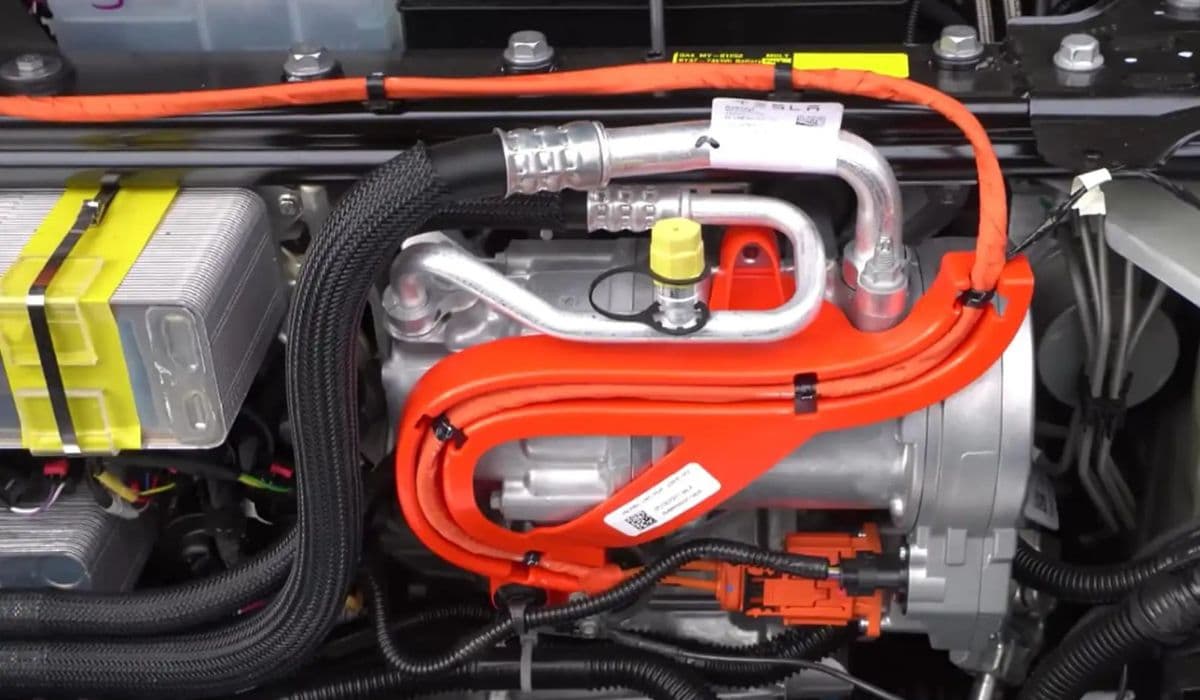
Charging port repairs, if damaged by improper use, cost $300 to $800, while HVAC system fixes—crucial for cabin comfort and battery conditioning—can hit $1,000 to $2,200 for compressor or heater replacements. Software glitches might be resolved via updates, but hardware-linked problems require diagnostics at $150-$300. The 12-volt battery, separate from the main pack, needs replacement every 4-5 years at $100-$200, but if it fails, it can strand the vehicle. Overall, electrical systems benefit from Tesla's modular design, but proprietary software locks limit DIY options, forcing reliance on service centers.
Drive Unit and Motor Repairs
The drive unit, encompassing the electric motor, inverter, and gearbox, is built for longevity but isn't immune to failures. Out-of-warranty replacements for a single-motor setup in the Model 3 start at $5,000 to $7,000, while dual-motor configurations in the Model Y or S can double that to $10,000-$14,000. Common issues include bearing wear or coolant leaks, leading to whining noises or reduced performance.
Diagnostic scans to pinpoint faults add $200-$400, and if the issue involves the inverter—converting DC to AC power—costs climb to $2,000-$4,000. Tesla's 8-year drive unit warranty covers many early failures, but beyond that, high-mileage owners (over 150,000 miles) report more incidents. Regenerative braking reduces brake wear, saving on pads ($200-$400 every 100,000 miles), but doesn't eliminate drive unit risks. Performance models with higher torque stress components faster, potentially shortening lifespan by 20-30%.
Factors That Drive Up Repair Bills
Several elements influence the final tally for Tesla repairs. Location matters; service centers in urban areas like California charge premium rates, while rural owners might face travel fees for mobile service ($100-$200). Parts scarcity, especially for discontinued models, inflates prices by 50% or more. Labor intensity is high due to safety protocols for high-voltage systems, requiring de-energization procedures that add hours to jobs.
Owner habits play a role—frequent Supercharging accelerates battery wear, while neglecting tire rotations (every 6,250 miles) leads to uneven suspension stress. Insurance deductibles, typically $500-$1,000, offset some costs but not all. Finally, the evolving right-to-repair landscape could lower future expenses as more independent shops gain access to Tesla tools, potentially reducing bills by 15-25%.
Real Owner Stories from the Tesla Community
Tesla owners share diverse experiences with out-of-warranty repairs, highlighting both affordability and shocks. One Model 3 owner with 80,000 miles reported a $250 fix for creaky control arms, praising the quick service. Conversely, a Model S driver faced a $900 screen repair after 100,000 miles, calling it unexpected but manageable compared to gas engine overhauls. A high-mileage Model Y user spent $15,000 over 140,000 miles on various fixes, including suspension and electrical issues, yet noted savings from no oil changes.
Another story involved a $2,300 door harness replacement, deemed pricey but rare. Community forums reveal patterns: early models suffer more from build quality issues, while newer ones benefit from refinements. Overall, many owners find costs comparable to luxury brands like BMW or Mercedes, with annual averages around $800-$1,000 post-warranty, offset by fuel savings of $1,000-$2,000 yearly.
Strategies to Keep Repair Costs in Check
Proactive maintenance is key to mitigating expenses. Schedule regular checks for fluids like brake and coolant every 2 years ($100-$200), and rotate tires frequently to extend life (Michelin Pilot Sport tires cost $800-$1,200 a set). Opt for extended service agreements if available, covering up to 10 years or 100,000 miles for $2,000-$4,000 upfront. Home charging preserves battery health, and gentle driving reduces wear on motors and suspension.
Join Tesla owner groups for DIY tips on minor fixes, like cabin filter replacements ($50). Consider third-party warranties from providers like Endurance or CarShield, which cover Tesla-specific components for $100-$200 monthly. Finally, monitor software updates and battery health via the app to address issues early.
How Tesla Stacks Up Against Other EVs and Gas Cars
Compared to rivals, Tesla repairs can seem elevated but align with premium EVs. A Nissan Leaf battery replacement costs $5,500-$8,000, cheaper than Tesla's but with less range. Rivian or Lucid models face similar high costs due to advanced tech. Against gas cars, Teslas save on routine maintenance—no oil changes ($50-$100 each) or transmission flushes ($200-$400)—but excel in longevity, with batteries often lasting 300,000-500,000 miles.
A Honda Accord's 100,000-mile maintenance is around $7,684, slightly less than Tesla's $8,250-$15,000 for Model Y, but the latter includes fewer visits. Luxury gas vehicles like Audi average $1,000+ yearly in repairs, mirroring Tesla. Ultimately, total ownership costs favor EVs through energy savings and incentives, making Tesla a viable long-term choice despite occasional high repair bills.
More from Tesla

Tesla battery degradation after 100K miles: Real owner data
17.12.2025 18:27
Overall Tesla ownership cost 2025: Cheaper than gas after 3 years?
17.12.2025 15:13
Tesla Cybertruck vs Ford F-150 Lightning: Towing and charging showdown
17.12.2025 08:57
2025 refreshed Tesla Model X: Worth upgrading from old raven?
17.12.2025 07:14
Tesla heat pump problems in winter: 2025 still an issue?
17.12.2025 04:02