Tesla paint quality: Thin and chips easily in 2025 models
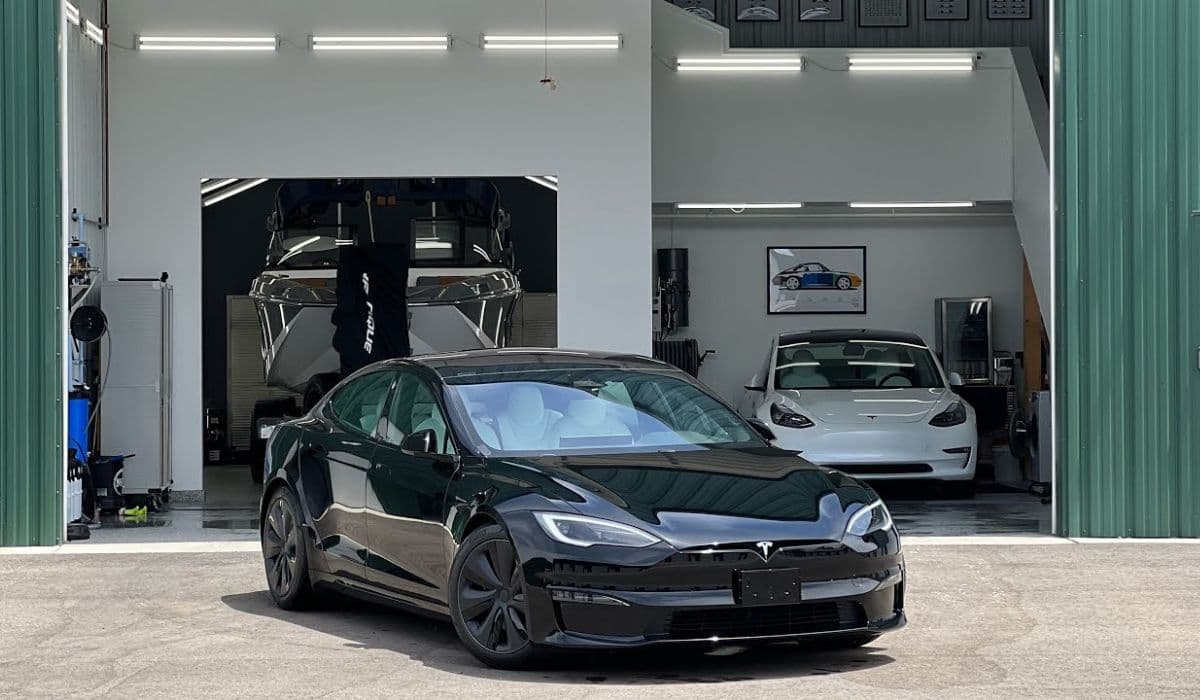
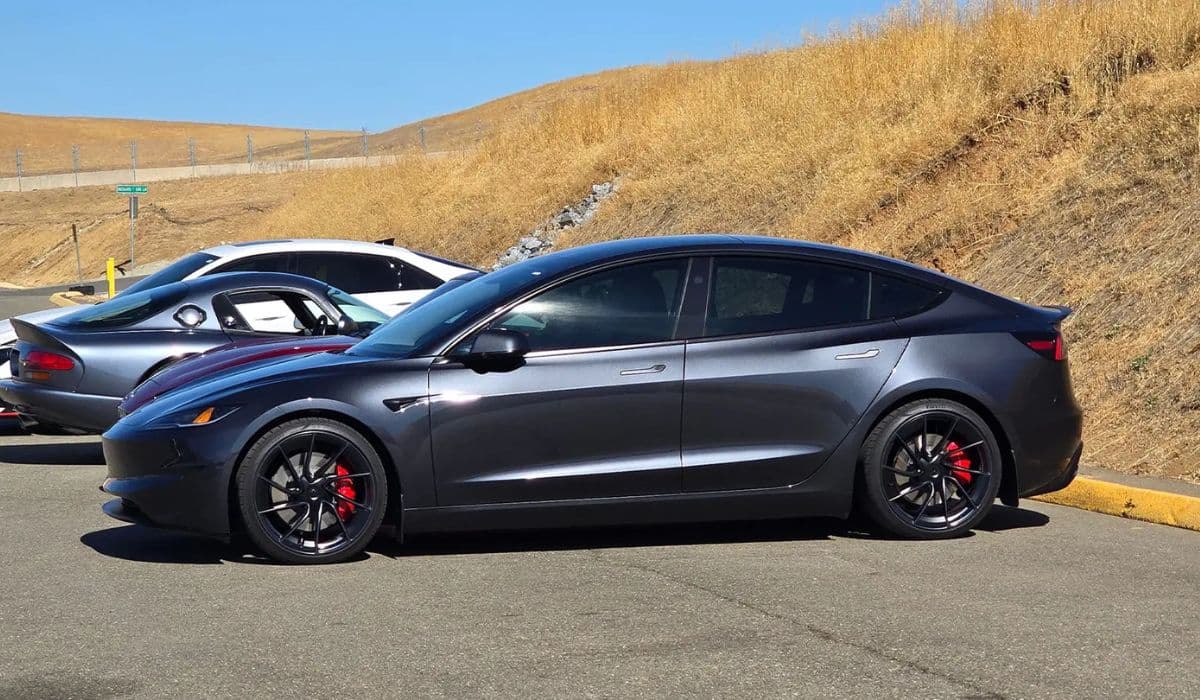
Tesla vehicles continue to push boundaries in electric performance and technology, captivating drivers with sleek designs and innovative features. However, one aspect that frequently draws scrutiny from owners and enthusiasts alike is the paint quality, particularly its tendency to be thinner than competitors and more susceptible to chipping.
Understanding the Paint Composition
Automotive paint typically consists of multiple layers: primer for adhesion, base coat for color, and a clear coat for protection and shine. On many Tesla models, detailers and independent measurements indicate that the total paint thickness often falls in the range of 80-100 microns, compared to 120-150 microns commonly found on vehicles from brands like BMW or Mercedes.
This reduced thickness stems from high-volume production techniques aimed at efficiency and environmental compliance. Water-based paints, mandated in certain regions for lower VOC emissions, can contribute to a softer finish that doesn't harden as robustly as solvent-based alternatives used elsewhere.
Thinner clear coat provides less buffer against impacts.
Softer formulation increases vulnerability to minor abrasions.
Factory application prioritizes speed, sometimes leading to inconsistencies.
These factors create a finish that looks stunning fresh from the assembly line but may not hold up as well under real-world conditions.
Common Complaints from Owners
Numerous Tesla drivers report noticeable chipping after relatively low mileage, especially on the hood, front bumper, and areas behind the wheels. Road debris, such as small stones or gravel, can penetrate the clear coat more readily, exposing the base layer or even primer.
Darker colors tend to highlight imperfections more visibly, with micro-scratches appearing as hazy or milky spots. Lighter shades, while sometimes benefiting from additional layers in multi-coat options, still face similar durability challenges.
Front-end exposure: Aerodynamic shapes funnel debris directly onto painted surfaces.
Rocker panels and wheel arches: Prone to flaking in some cases due to adhesion issues.
Factory defects: Occasional reports of orange peel texture, dust nibs, or uneven application straight from delivery.
Enthusiast forums and detailing professionals often rate the paint lower than average, citing premature wear that contrasts with the vehicle's premium positioning.
Why It Chips More Easily
The combination of thin layers and softer paint chemistry makes the surface less resilient to everyday hazards. High-speed highway driving amplifies the issue, as even tiny particles strike with significant force.
Production volume plays a role too—rapid painting processes may limit curing time or layer buildup. While this enables Tesla's impressive output, it can compromise long-term robustness.
Comparisons to traditional luxury brands reveal thicker protective coats designed for greater impact resistance. Tesla's approach prioritizes weight reduction and eco-friendliness, but it comes at the cost of heightened sensitivity to rock strikes and environmental elements.
Impact absorption: Thinner coats transfer more energy to the base.
Scratch resistance: Softer material mars from brushes or incidental contact.
Regional variations: Some factories show slight improvements in consistency.
Owners who frequently encounter construction zones or unpaved roads notice accelerated accumulation of marks.
Real-World Experiences and Patterns
Many new Tesla deliveries arrive with minor imperfections that become more apparent over time. Detailers inspecting fresh vehicles sometimes count dozens of small defects on high-impact zones alone.
Long-term users describe a shift in mindset: accepting that proactive care is essential rather than optional. Highway miles rack up visible spots quickly, turning pristine panels into battle-scarred ones without aggressive driving.
Early mileage chips: Some report damage within the first few thousand miles.
Color-specific traits: Metallic or red shades may require extra vigilance.
Seasonal factors: Salt and sand in winter exacerbate vulnerabilities.
Despite these patterns, the paint's initial gloss and depth receive praise for vibrancy when well-maintained.
Strategies for Preservation
Savvy owners adopt habits to mitigate issues from day one. Gentle washing techniques avoid introducing swirls, while targeted protections shield vulnerable areas.
Regular inspections allow early intervention on minor damage, preventing escalation. Touch-up kits matched to specific colors help blend small spots seamlessly.
Two-bucket method: Prevents grit from scratching during cleans.
Avoid automatic washes: Brushes can embed fine marks.
Immediate addressing: Covers exposed areas to halt progression.
For those seeking robust defense, additional layers enhance durability without altering appearance significantly.
Enhancing Durability Options
Paint protection film (PPF) applied to fronts, rockers, and mirrors absorbs impacts that would otherwise chip factory layers. Self-healing variants minimize light scratches from heat exposure.
Ceramic coatings add hydrophobic properties, repelling dirt and easing maintenance while providing a sacrificial barrier.
Partial coverage: Focuses on high-risk zones for balanced protection.
Full vehicle: Offers comprehensive shielding for enthusiasts.
Professional application: Ensures seamless integration and longevity.
Combining approaches yields a resilient exterior that withstands daily use far better.
Long-Term Outlook for Tesla Owners
As production evolves across facilities, subtle refinements in application techniques emerge. Some regions report marginally improved consistency, though core characteristics remain tied to efficiency goals.
Drivers embracing the electric revolution often find the trade-offs worthwhile, viewing maintenance as part of ownership. The stunning aesthetics and performance outweigh concerns for many, especially with informed care routines.
Ultimately, awareness empowers better decisions—whether selecting colors, planning protections, or adjusting expectations. Tesla's paint may demand more attention, but it complements vehicles engineered for excitement over perfection in every detail.
More from Tesla
Tesla battery degradation after 100K miles: Real owner data
17.12.2025 15:27
Overall Tesla ownership cost 2025: Cheaper than gas after 3 years?
17.12.2025 12:13
Tesla Cybertruck vs Ford F-150 Lightning: Towing and charging showdown
17.12.2025 05:57
2025 refreshed Tesla Model X: Worth upgrading from old raven?
17.12.2025 04:14
Tesla heat pump problems in winter: 2025 still an issue?
17.12.2025 01:02