Tesla paint quality and rust issues: 2025 owner complaints
Tesla vehicles have long been praised for their innovative technology and performance, but in 2025, a growing number of owners have voiced frustrations over paint quality and emerging rust problems. These issues, ranging from factory defects to environmental vulnerabilities, have sparked discussions across online forums, social media, and owner communities. While Tesla continues to push boundaries in electric vehicle design, the persistence of these complaints highlights areas where manufacturing processes may fall short. This article delves into the specifics of these concerns, drawing from widespread reports to provide a comprehensive overview for current and prospective owners.
Decoding Tesla's Paint Application Techniques
Tesla employs a multi-layer paint system in its manufacturing process, typically involving a primer, base coat, and clear coat applied through automated robotic arms at facilities like Fremont, Shanghai, Berlin, and Austin. The paint thickness on Tesla models averages around 100-120 microns, which is thinner than the industry standard of 150-200 microns seen in vehicles from brands like Toyota or BMW. This thinner application is partly due to Tesla's emphasis on efficiency and cost reduction, allowing for faster production cycles. However, this approach can make the paint more susceptible to environmental damage.
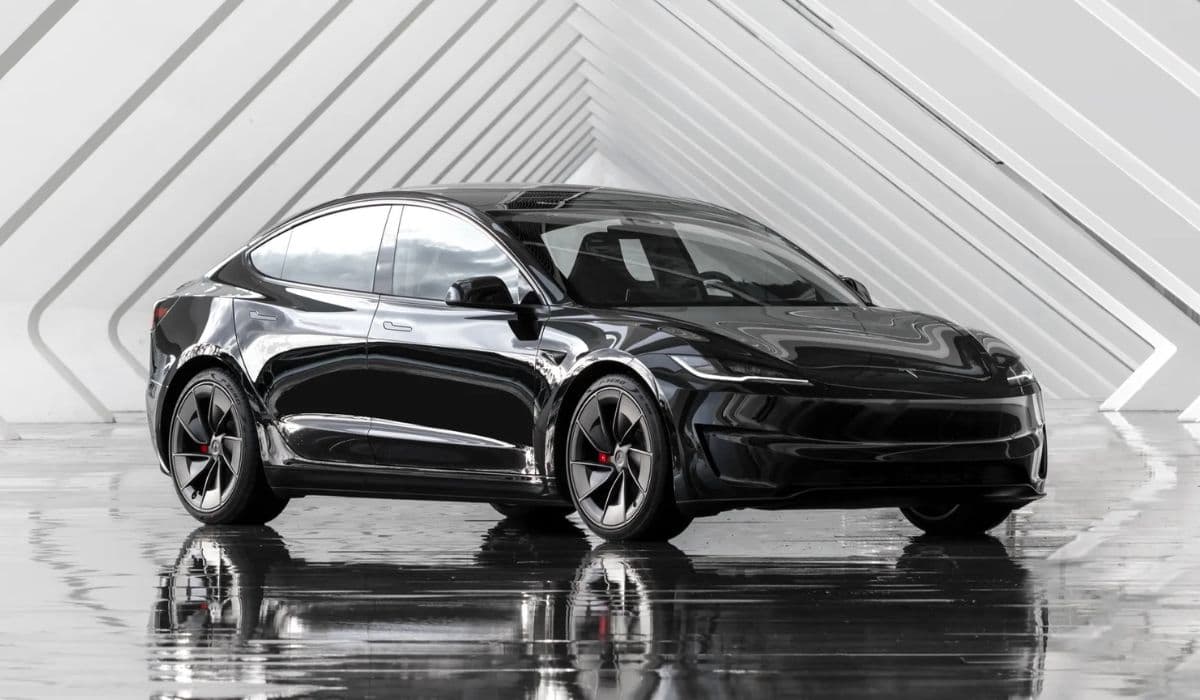
In 2025, owners of newly delivered vehicles, such as the refreshed Model 3 and Model Y, have reported inconsistencies in paint application. Robotic precision aims to minimize human error, but factors like dust contamination during the painting stage remain problematic. For instance, specks of dust or debris embedded under the clear coat create visible imperfections known as "dust nibs." These defects are often noticed upon delivery or shortly after, leading to service center visits. Tesla's paint formulas, optimized for aerodynamic efficiency and weight savings, also tend to be softer, which exacerbates swirl marks from improper washing techniques.
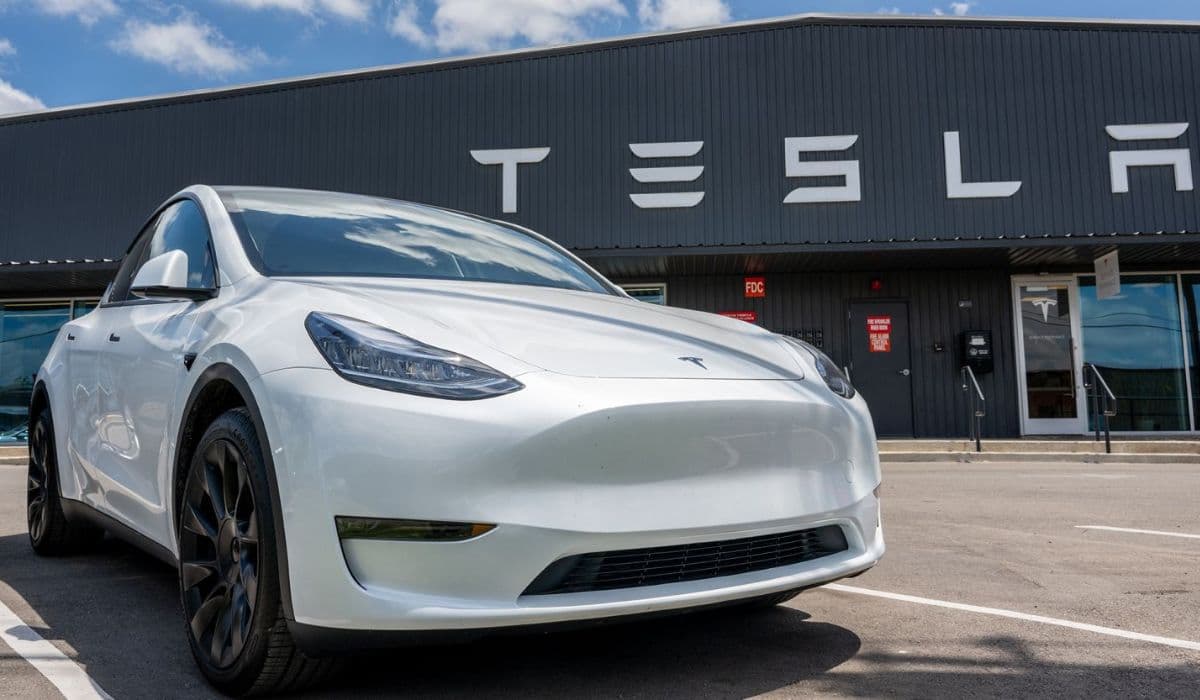
The color palette plays a role too. Darker shades like Midnight Silver Metallic or Ultra Red show imperfections more readily, while lighter colors like Pearl White Multi-Coat mask them better. In humid or salty environments, the paint's vulnerability to oxidation becomes apparent, setting the stage for deeper issues like rust if the underlying metal is exposed.
Widespread Paint Defects Surfacing in 2025 Deliveries
Throughout 2025, owner complaints about paint defects have surged, particularly on platforms like Reddit and Tesla-specific forums. A common grievance involves paint chipping from minor road debris. On highways, small rocks kicked up by tires can cause "rock chips" on the hood, front bumper, and lower door panels. Owners of 2025 Model Y Long Range variants, for example, describe chips appearing within months of ownership, exposing the primer or even bare metal. One report from a New Mexico-based owner detailed tiny chips on the hood after just five months, attributing it to the paint's fragility.
Factory-induced flaws are another focal point. Dust particles painted over during assembly create raised bumps, while uneven application leads to "orange peel" texture, where the surface resembles an orange rind rather than a smooth finish. In a February 2025 Reddit thread, a Model 3 owner highlighted mismatched paint tones between panels, suggesting inconsistencies in batch mixing. Overspray issues, where paint drifts onto unintended areas like trim or glass, have also been noted, requiring professional correction.
Environmental factors amplify these problems. In regions with harsh winters, road salt accelerates degradation, while UV exposure in sunny climates causes fading. A YouTube analysis from October 2025 examined multiple 2025 Tesla vehicles, concluding that the paint's thinness contributes to quicker wear compared to competitors. Owners in coastal areas report bubbling or peeling around wheel wells, where moisture accumulates. These defects not only affect aesthetics but can diminish resale value, with some 2025 models showing visible wear after less than 10,000 miles.
Emerging Rust Challenges in Tesla's Lineup
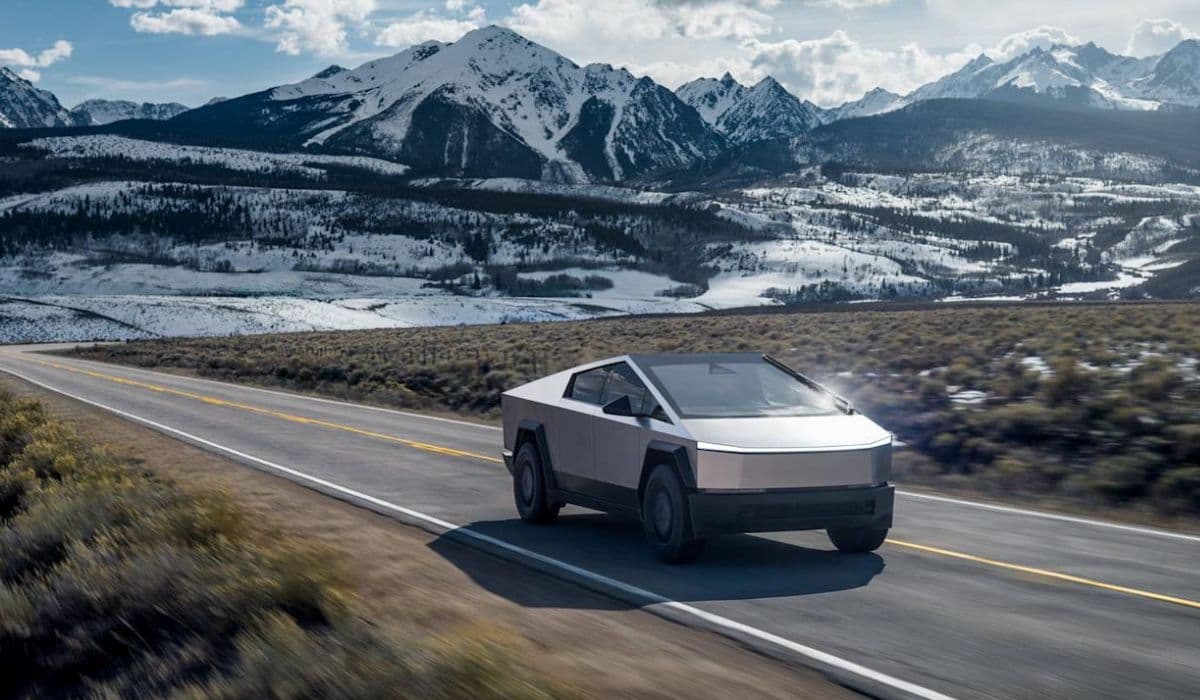
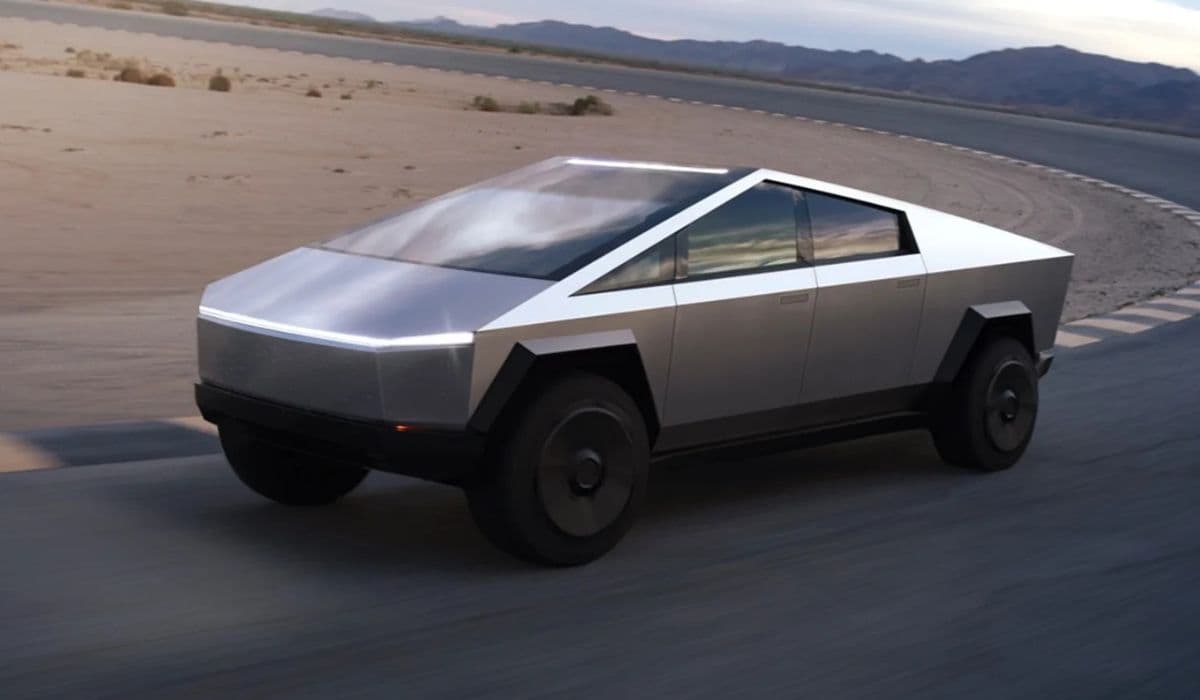
Rust, traditionally associated with older steel-bodied cars, has unexpectedly become a topic for Tesla owners in 2025, especially with the Cybertruck. Despite its stainless steel exoskeleton, marketed as rust-resistant, surface corrosion has appeared on many units. Owners describe orange-brown spots forming after exposure to rain, road salt, or even fingerprints. A prominent video from April 2025 by a content creator showed rust on a one-year-old Cybertruck, attributing it to contaminants like iron particles from rail transport embedding into the steel.
For traditional Tesla models with aluminum bodies, rust is less common but occurs when paint chips expose the frame or underbody components. In 2025, Model S and Model X owners in snowy states like Michigan have reported rust on suspension parts or battery enclosures. The issue stems from inadequate protective coatings in vulnerable areas. Unlike stainless steel, aluminum doesn't rust in the traditional sense but can corrode, forming white powdery deposits that weaken structural integrity over time.
Cybertruck-specific complaints dominate discussions. Built in Austin since late 2023, 2025 deliveries have shown "freckling" or minor pitting after minimal use. Tesla attributes this to environmental factors rather than manufacturing flaws, but owners argue the steel's untreated surface requires constant maintenance. In humid climates, rust spreads quickly if not addressed, leading to costly detailing. Reports from June 2025 indicate that even wrapped Cybertrucks aren't immune, as moisture trapped under vinyl can accelerate corrosion.
Model-by-Model Breakdown of Owner Grievances
Paint and rust issues vary across Tesla's 2025 lineup. The Model 3, refreshed in early 2025, faces criticism for its thinner paint on the Highland variant. Owners report chips on the aerodynamic front end, with one forum post detailing a dust speck painted over on a new delivery. Service responses often involve touch-up paint, but mismatches in color sheen frustrate users.
Model Y, Tesla's bestseller, sees similar problems amplified by its crossover design. Lower ground clearance exposes rockers to debris, leading to chipping and potential rust on undercarriage elements. A 2025 owner in California noted peeling paint on door handles after frequent use, while another in Texas complained of hood bubbling from heat.
The Cybertruck stands out with rust concerns. Despite its futuristic appeal, 2025 owners describe surface oxidation after off-road excursions or winter driving. One Arizona-based report highlighted fading stainless steel turning gray from dust accumulation, exacerbating rust spots.
Model S and X, as premium offerings, have fewer complaints but aren't exempt. Plaid variants show swirl marks easily due to soft paint, and rust on brake components appears in high-mileage units. Semi and Roadster prototypes teased in 2025 hint at similar vulnerabilities, though production details remain sparse.
How Tesla Addresses Warranty Claims and Repairs
Tesla's warranty covers paint defects for four years or 50,000 miles, and rust perforation for 12 years unlimited mileage. In 2025, owners filing claims often receive offers for panel repaints or touch-ups at service centers. However, delays are common, with one owner rescheduling paint service four times, pushing from December 2025 to January 2026. Mismatched colors post-repair, overspray, and new rattles from disassembly are frequent follow-up issues.
For rust, Tesla recommends washing with citrus-based cleaners to remove contaminants, but this doesn't always suffice. Cybertruck owners are advised to polish affected areas, yet persistent spots lead to warranty denials if deemed environmental. Class-action lawsuits, echoing a 2020 Canadian case over Model 3 paint peeling, are brewing in the U.S., with owners seeking compensation for diminished value.
Service experiences vary by location. Urban centers like Los Angeles offer quicker fixes, while rural areas face longer waits. Tesla's mobile service helps with minor touch-ups, but major repaints require shop visits. Owners praise the warranty's breadth but criticize execution, with some contemplating brand switches due to frustration.
Strategies to Safeguard Tesla Paint and Combat Rust
Proactive maintenance is key for 2025 Tesla owners. Applying paint protection film (PPF) on high-impact areas like the hood and bumpers shields against chips. Ceramic coatings add a hydrophobic layer, easing cleaning and reducing swirl marks. Regular hand washing with pH-neutral soaps prevents buildup, while avoiding automatic car washes preserves the finish.
For rust prevention, especially on Cybertrucks, frequent polishing with metal-specific products removes oxidation. Parking in garages minimizes UV and moisture exposure. In salty regions, underbody rinses after drives are essential. Owners recommend inspecting deliveries thoroughly, documenting defects for warranty leverage.
Aftermarket solutions like wraps provide aesthetic and protective benefits, though they can trap moisture if poorly applied. Investing in quality detailing tools ensures long-term preservation, potentially extending paint life beyond factory expectations.
Benchmarking Tesla Against Automotive Peers
Compared to rivals, Tesla's paint ranks lower in durability surveys. A 2025 Consumer Reports analysis placed Tesla below average for finish quality, citing thin layers versus thicker applications from Audi or Mercedes. Traditional automakers use more robust primers, reducing chipping. However, Tesla excels in efficiency, with lower volatile organic compound emissions during painting.
Experts from detailing firms note Tesla's paint softens under heat, making it prone to marring. In contrast, Ford or GM vehicles often feature baked-on finishes for longevity. Yet, Tesla's aluminum construction resists deep rust better than steel-heavy competitors. Industry insiders suggest Tesla's rapid scaling contributes to inconsistencies, unlike slower-paced legacy brands.
Anticipated Enhancements in Tesla's Production Pipeline
Looking ahead, Tesla may refine its processes. Rumors of advanced paint robots at the Mexico Gigafactory promise uniform application. Enhanced quality control, including AI-driven inspections, could catch defects pre-delivery. For rust, treating stainless steel with passivating agents might become standard.
Owner feedback drives changes; 2025 updates to the Model 3 include slightly thicker clear coats. As production ramps for the refreshed Model 2 and Robotaxi, expect iterative improvements. Tesla's vertical integration allows quick adaptations, potentially resolving these issues in future iterations.
More from Tesla

Tesla brake regen: Efficient but pedal feel confuses new owners
23.12.2025 14:35
Tesla battery degradation: Minimal with better management
23.12.2025 12:43
Tesla Highland interior: Premium feel but missing features
23.12.2025 12:40
Tesla Cybertruck range: Strong city but disappointing highway
23.12.2025 12:32
Tesla J.D. Power: High satisfaction despite service waits
23.12.2025 12:29