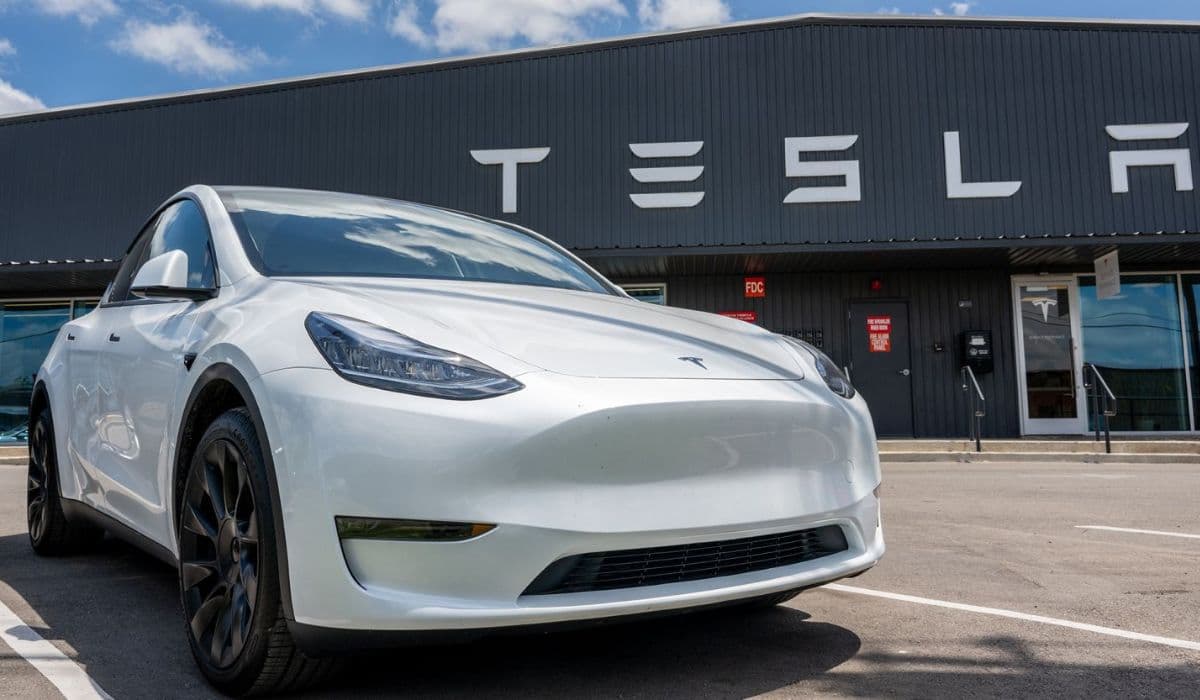
Tesla reliability 2025: Consumer Reports ranking jump explained
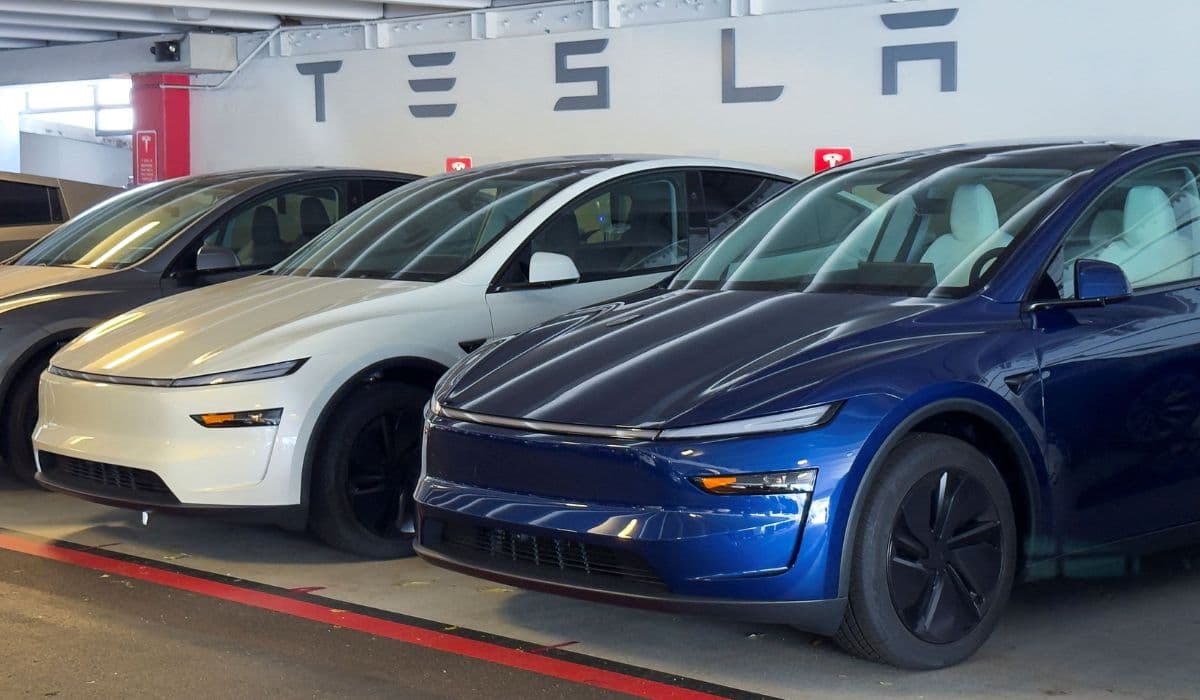
Tesla has long been celebrated for its innovative electric vehicles, pushing the boundaries of performance, technology, and sustainability. However, reliability has historically been a point of contention, with early models facing criticism for build quality issues and component failures. Fast forward to recent evaluations, and the narrative is shifting significantly. Consumer Reports, a trusted authority on vehicle dependability, has highlighted a notable improvement in Tesla's standings, marking the brand's entry into the top tier of reliable automakers for newer models.
This jump reflects years of refinement rather than overnight miracles. Tesla's approach to vehicle development—focusing on iterative improvements over radical redesigns—has begun to pay dividends in owner-reported data. While older vehicles still carry the scars of rapid early growth, current offerings demonstrate that the company has learned from past challenges, delivering more consistent experiences for drivers.
Key Factors Behind the Reliability Leap
Several elements have contributed to Tesla's enhanced reputation in reliability surveys. Central to this progress is the maturity of core components, particularly the electric drivetrain, which has proven exceptionally robust compared to traditional powertrains.
Drivetrain Excellence: Tesla's electric motors and battery systems consistently outperform expectations, with minimal failures reported in critical areas like propulsion and energy storage.
Manufacturing Refinements: Prolonged production runs of key models allow for ongoing tweaks in assembly processes, reducing defects in body panels, interiors, and electronics.
Software-Driven Fixes: Over-the-air updates address many issues remotely, preventing minor glitches from escalating into major headaches for owners.
Reduced Hardware Variability: Sticking to established designs minimizes the introduction of new problems that often plague redesigned vehicles from other brands.
These strategies have led to fewer reported issues in categories like paint, trim, and accessory electronics, areas that previously dragged down scores.
Model-Specific Strengths Shining Through
Not all Tesla vehicles contribute equally to this improved ranking, but the brand's volume sellers are leading the charge.
The compact and midsize offerings have emerged as standouts:
High predicted reliability for sedans and crossovers, often rating average or above in owner surveys.
Strong performance in everyday use, with owners praising minimal downtime and robust core systems.
Particular acclaim for the most reliable electric SUV and sedan categories, setting benchmarks within the EV segment.
In contrast, newer or more complex models, like the flagship pickup, still face teething problems typical of fresh introductions. This variance underscores that Tesla's gains are strongest in matured platforms where lessons from millions of miles driven have been applied.
Contrasting New vs. Older Vehicles
An interesting dichotomy exists in Tesla's reliability profile. While recent models earn praise for dependability, older examples—particularly those from the brand's formative years—tell a different story.
Early flagships often dealt with suspension, climate system, and build-quality quirks.
Rapid scaling in production led to inconsistencies that have largely been ironed out in modern facilities.
Long-term data shows that as vehicles age beyond five to ten years, issues can accumulate, especially in non-drivetrain components.
This contrast highlights Tesla's evolution: what was once a startup pushing limits is now a seasoned manufacturer prioritizing consistency. For prospective buyers, focusing on current production runs yields the most reliable outcomes.
What This Means for EV Buyers
Tesla's reliability progress signals broader maturation in the electric vehicle space. As the highest-ranked domestic brand in many metrics, it outpaces traditional American automakers while closing the gap with Asian leaders known for bulletproof dependability.
This shift encourages more consumers to consider EVs without fearing excessive repair visits. Key takeaways include:
Prioritizing models with established track records for optimal ownership experience.
Benefiting from a powertrain that rarely falters, even under demanding use.
Enjoying features enhanced via software, adding value without compromising core reliability.
Ultimately, Tesla's ranking improvement validates a patient approach to engineering, proving that steady evolution can transform perceptions in a competitive industry.
More from Tesla
Tesla brake regen: Efficient but pedal feel confuses new owners
23.12.2025 11:35
Tesla battery degradation: Minimal with better management
23.12.2025 09:43
Tesla Highland interior: Premium feel but missing features
23.12.2025 09:40
Tesla Cybertruck range: Strong city but disappointing highway
23.12.2025 09:32
Tesla J.D. Power: High satisfaction despite service waits
23.12.2025 09:29