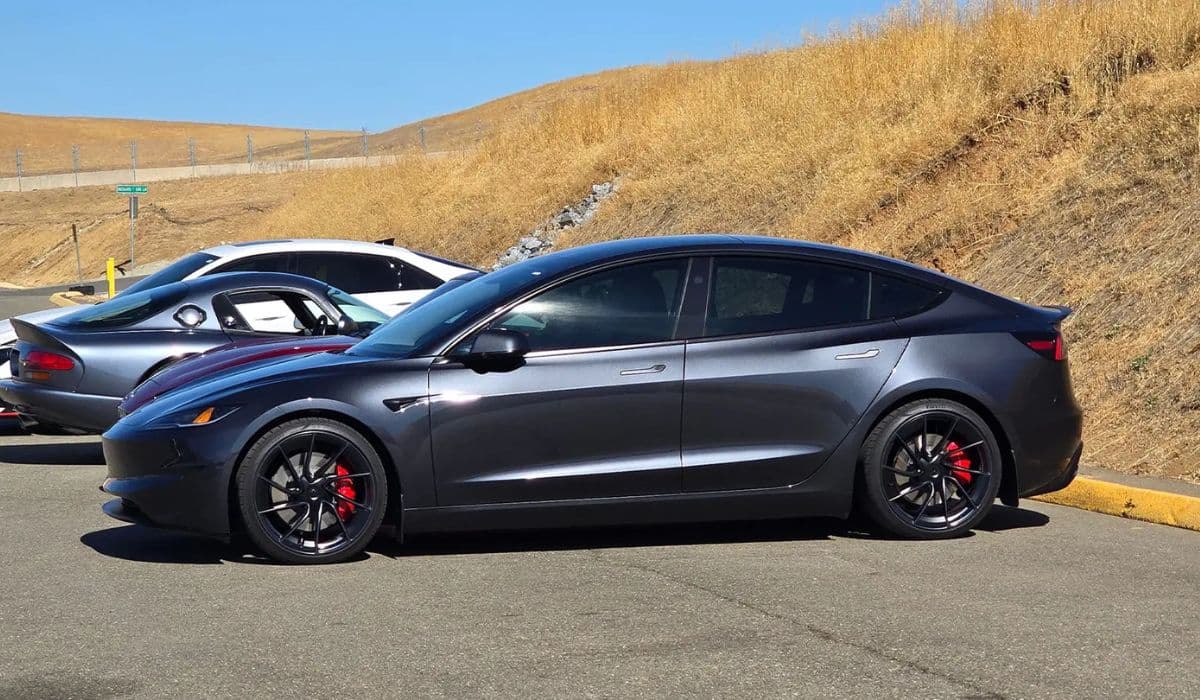
Tesla reliability jumps to CR top 10 in 2025: Aging lineup helps
Tesla has long been celebrated for its innovative electric vehicles, pushing the boundaries of performance, autonomy, and sustainability. However, reliability has often been a point of contention among critics and potential buyers. Recent data from Consumer Reports paints a dramatically improved picture, with the brand securing a spot in the top 10 for predicted reliability for the first time. This leap highlights how Tesla's strategy of refining an established lineup, rather than frequent overhauls, has paid off in building more dependable cars.
The Surprising Role of an Aging Lineup
In the automotive industry, manufacturers typically refresh models every few years to stay competitive, introducing new designs, features, and technologies. This cycle can excite buyers but often introduces teething problems as production lines adapt. Tesla has taken a different path, maintaining core designs for longer periods while implementing incremental improvements.
This approach allows engineers and factory teams to focus on perfection rather than reinvention. Over time, small tweaks to manufacturing processes, materials, and assembly techniques compound into significant gains in quality.
Consistent production in the same facilities reduces variables that could lead to defects.
Feedback from millions of miles driven informs targeted fixes delivered via over-the-air updates.
Mature supply chains for components ensure better consistency and fewer part failures.
Consumer Reports experts note that older lineups generally fare better in reliability surveys because manufacturers have had ample time to iron out issues. For Tesla, this has translated into fewer reported problems across its flagship models.
Standout Performance in Key Models
Tesla's current portfolio demonstrates varying levels of maturity, and the data reflects how longevity contributes to dependability.
The Model 3 and Model Y, now several generations into production, lead the pack with strong scores. These vehicles benefit from simplified designs optimized over years, resulting in robust electric drivetrains and minimal mechanical complexities compared to traditional cars.
Fewer moving parts mean less wear and tear.
Advanced battery management systems have evolved to handle real-world conditions better.
Build quality improvements, such as tighter panel gaps and enhanced interiors, address early criticisms.
Even the veteran Model S, one of the longest-running designs in the lineup, has seen steady enhancements that boost its reliability metrics. While newer entrants like the Cybertruck show room for growth with below-average initial scores, the overall brand average has soared thanks to the refined core models.
Electric Powertrain: A Reliability Advantage
One area where Tesla consistently excels is the electric powertrain. Consumer Reports highlights it as a "standout" feature, with far fewer issues than combustion engines or even some rival EV systems.
Electric motors and batteries are inherently simpler, lacking the hundreds of components found in gasoline powertrains that can fail over time.
No oil changes, timing belts, or exhaust systems to maintain.
Regenerative braking reduces wear on traditional brake components.
Software optimizations continually improve efficiency and longevity.
This inherent advantage, combined with Tesla's vertical integration—controlling battery production and software—allows for rapid refinements that enhance durability without hardware changes.
Contrasting New vs. Used Reliability
While newer Teslas shine in predicted reliability, older models from the brand's rapid growth phase tell a different story. Vehicles from five to ten years ago often rank lower due to the challenges of scaling production quickly.
Early builds faced issues with suspension, climate systems, and build quality as the company ramped up from boutique to mass manufacturer.
High-volume production introduced temporary inconsistencies.
Innovative features, like falcon-wing doors on early Model X, added complexity.
Limited service infrastructure in the past led to prolonged repairs.
Today's models have largely overcome these hurdles through lessons learned, proving that maturity brings stability. Buyers considering recent vehicles can feel more confident, while used shoppers might prioritize newer examples.
Implications for EV Buyers
Tesla's rise in reliability rankings challenges the narrative that electric vehicles are inherently less dependable than their gasoline counterparts. In fact, the brand now outperforms many legacy automakers in new-car predictions.
This shift could influence purchasing decisions, especially as EV adoption grows.
Lower maintenance needs translate to hassle-free ownership.
Strong reliability bolsters resale values for well-maintained models.
Over-the-air updates keep vehicles improving long after purchase.
As the industry evolves, Tesla's focus on iteration over revolution sets a precedent. Other manufacturers introducing bold new EVs may face initial setbacks, while refined platforms gain the edge in owner satisfaction.
Tesla's journey from reliability underdog to top-tier contender underscores the value of patience and precision in engineering. By sticking with proven designs and relentlessly refining them, the brand has achieved a milestone that reinforces its position in the electric future.
More from Tesla
Tesla battery degradation after 100K miles: Real owner data
17.12.2025 15:27
Overall Tesla ownership cost 2025: Cheaper than gas after 3 years?
17.12.2025 12:13
Tesla Cybertruck vs Ford F-150 Lightning: Towing and charging showdown
17.12.2025 05:57
2025 refreshed Tesla Model X: Worth upgrading from old raven?
17.12.2025 04:14
Tesla heat pump problems in winter: 2025 still an issue?
17.12.2025 01:02