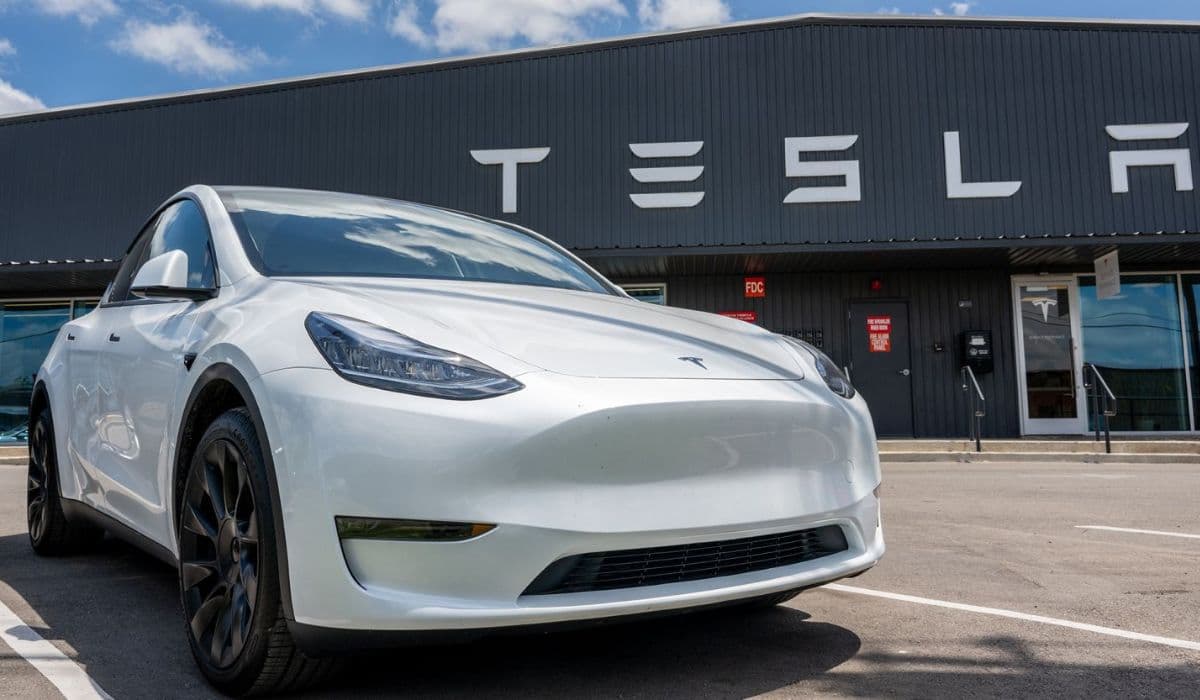
Tesla service experience 2025: Mobile service vs service center wait times
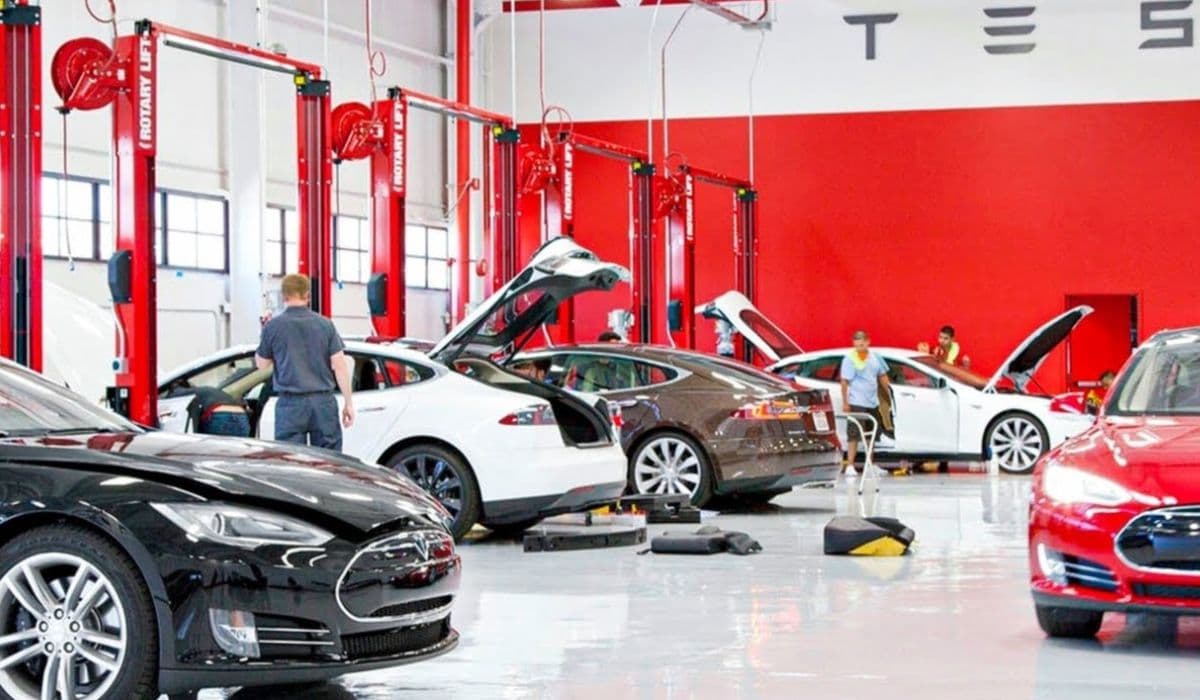
Owning a Tesla brings a unique approach to vehicle maintenance, where convenience and efficiency often take center stage. One of the standout features is the option between Mobile Service and traditional Service Center visits. As the fleet grows rapidly, understanding the differences in wait times and overall experience becomes crucial for owners navigating routine repairs, software tweaks, or unexpected issues.
The Rise of Mobile Service
Tesla's Mobile Service has revolutionized how many owners handle maintenance. A technician arrives at your home, office, or any chosen location in a fully equipped vehicle, ready to tackle a wide range of tasks on the spot.
Tire rotations and alignments performed in your driveway
Cabin air filter replacements without leaving home
Minor software calibrations or camera adjustments
Brake inspections and small part installations
Even windshield wiper replacements or light suspension tweaks
This on-demand approach eliminates the need for towing or long drives, making it ideal for busy schedules. Many owners report technicians arriving promptly within the scheduled window, completing work efficiently, and providing clear explanations along the way. The seamless integration with the Tesla app allows for real-time updates, remote vehicle access grants, and instant notifications when the job is done.
Challenges with Service Center Appointments
In contrast, Service Centers handle more complex diagnostics and repairs requiring specialized equipment, lifts, or extensive parts inventory. These facilities are hubs for deeper issues like battery module checks, drive unit replacements, or structural work.
However, high demand often leads to extended scheduling delays. In densely populated areas with surging Tesla adoption, appointment slots can fill up quickly, resulting in waits that stretch from several weeks to over a month. Factors contributing to this include:
Rapid growth in vehicle deliveries outpacing service infrastructure expansion
Seasonal spikes in requests for tire changes or climate system checks
Parts availability influencing turnaround once an appointment is secured
Once at the center, experiences vary—some owners praise quick drop-offs and transparent communication via the app, while others note vehicles sitting in queues before technicians can begin work.
Comparing Wait Times Head-to-Head
Wait times represent the most significant differentiator between the two options. Mobile Service often shines for eligible repairs, with slots opening up in days rather than weeks, especially for straightforward tasks. This flexibility stems from technicians covering broader territories without the constraints of a fixed bay schedule.
Service Centers, while essential for intricate fixes, frequently face backlogs. Urban locations bear the brunt, where multiple facilities still struggle to accommodate the volume. Rural or less saturated regions sometimes offer shorter waits, highlighting how location plays a pivotal role.
Real-owner feedback underscores this gap:
Mobile visits frequently resolved in under a week, with same-day options in low-demand areas
Center appointments averaging multi-week delays, occasionally pushing into months for non-urgent items
Tesla continues refining its system, prioritizing Mobile Service for an increasing percentage of jobs to alleviate pressure on physical locations.
What Owners Are Saying
Community discussions reveal a strong preference for Mobile Service among those who've tried both. Technicians often receive high marks for professionalism, arriving prepared and minimizing disruption to daily routines. One common theme: the joy of watching repairs unfold from your window while continuing work or errands.
Service Center visits draw mixed reviews. Positive stories highlight thorough diagnostics and unexpected courtesies, but frustrations arise from prolonged waits or rescheduling due to parts delays. Many advise checking the app frequently for cancellations that open earlier slots.
Ultimately, the choice depends on the issue's nature—Mobile for convenience on compatible fixes, Centers for everything else.
Tips for a Smoother Service Experience
To optimize your Tesla ownership:
Always select "request Mobile Service if available" in the app when scheduling
Provide detailed descriptions and photos to help triage eligibility accurately
Monitor the app for status updates and estimated completion times
Consider off-peak timing for non-urgent needs to snag better availability
Explore over-the-air diagnostics first, as many issues resolve remotely
Tesla's service model evolves continually, emphasizing proactive solutions and user-friendly tools to keep vehicles on the road with minimal hassle.
More from Tesla
Tesla brake regen: Efficient but pedal feel confuses new owners
23.12.2025 11:35
Tesla battery degradation: Minimal with better management
23.12.2025 09:43
Tesla Highland interior: Premium feel but missing features
23.12.2025 09:40
Tesla Cybertruck range: Strong city but disappointing highway
23.12.2025 09:32
Tesla J.D. Power: High satisfaction despite service waits
23.12.2025 09:29