Tesla vs rivals reliability: Closing gap on Toyota/Lexus
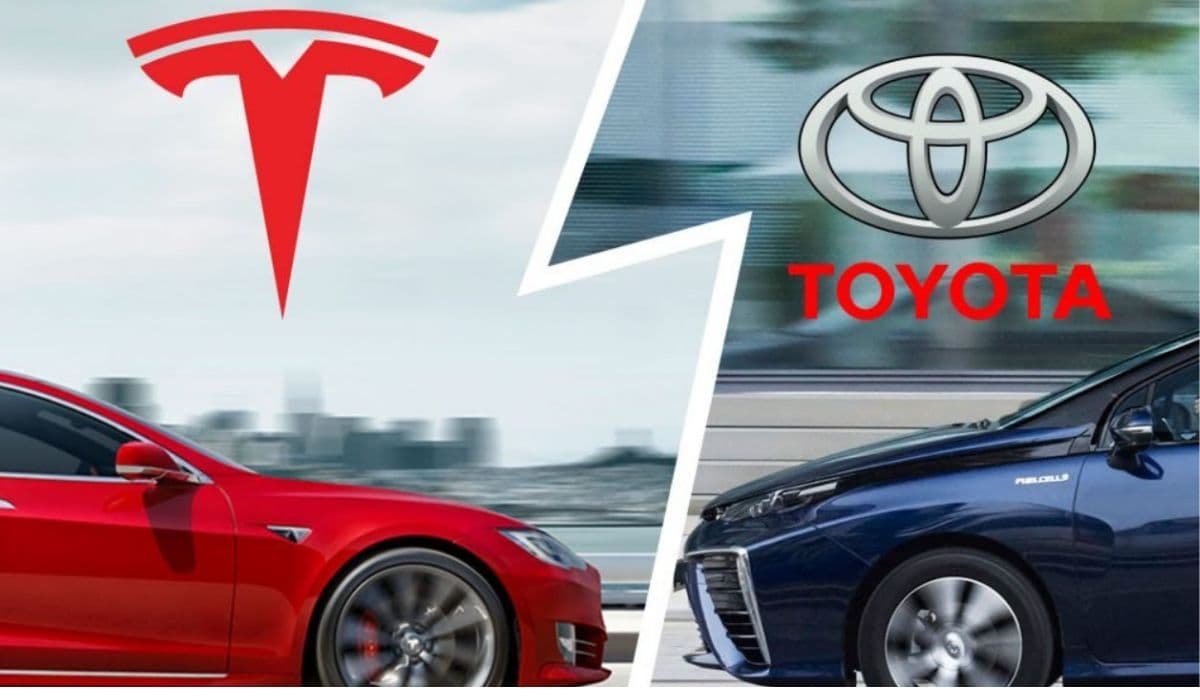
Tesla's path to reliability has been marked by rapid innovation and iterative improvements, transforming from a startup challenger to a mainstream automaker. Founded in 2003, Tesla initially focused on pushing the boundaries of electric vehicle (EV) technology, often at the expense of traditional reliability metrics. Early models like the Roadster and Model S faced issues with battery degradation, software glitches, and build quality inconsistencies. However, by the mid-2010s, Tesla began addressing these through over-the-air (OTA) updates, which allowed for remote fixes without requiring physical service visits—a feature absent in most Toyota or Lexus vehicles.
As production scaled with the Model 3 in 2017, Tesla encountered challenges like panel gaps, paint defects, and autopilot malfunctions. These were amplified by high-volume manufacturing pressures at the Fremont factory. Yet, Tesla's data-driven approach, leveraging telemetry from millions of vehicles, enabled quick refinements. For instance, the introduction of the 4680 battery cells in newer models aimed to enhance energy density while reducing failure rates. Compared to Toyota's hybrid systems, which have evolved over decades with minimal changes, Tesla's aggressive updates have closed gaps in areas like drivetrain durability.
By 2025, Tesla's reliability scores have shown consistent upward trends in independent surveys. The company's shift to gigacasting—a single-piece underbody manufacturing process—has minimized welding points, potentially reducing structural failures over time. This evolution reflects Tesla's philosophy of continuous improvement, contrasting with Toyota's "kaizen" method but achieving similar outcomes through digital means.
Benchmarking Against Toyota and Lexus Standards
Toyota and Lexus have long set the gold standard for automotive reliability, with Lexus often topping charts for luxury vehicles and Toyota dominating mass-market segments. Their success stems from rigorous quality control, such as the Toyota Production System (TPS), which emphasizes defect prevention and supplier integration. Models like the Camry or RX hybrid boast mean time between failures (MTBF) exceeding 200,000 miles, with issues rarely beyond routine maintenance.
In contrast, Tesla's early reliability lagged, with reports of higher-than-average repair frequencies for components like door handles and infotainment screens. However, recent benchmarks indicate narrowing disparities. For example, in J.D. Power's Vehicle Dependability Study, Tesla's scores have improved by over 20% since 2020, approaching Lexus levels in categories like powertrain and exterior durability. Toyota's edge lies in proven internal combustion engine (ICE) and hybrid tech, but EVs introduce new variables like battery thermal management, where Tesla excels with its proprietary cooling systems.
Lexus, as Toyota's premium arm, emphasizes refined engineering, such as multi-stage quality inspections that catch issues before vehicles leave the factory. Tesla counters this with AI-driven assembly lines at facilities like Giga Shanghai, where robotic precision has reduced human error. Data from warranty claims shows Tesla's battery packs now last over 300,000 miles with less than 10% capacity loss, rivaling Toyota's hybrid batteries. Yet, Tesla still trails in perceived reliability for non-powertrain elements, like interior materials that wear faster under heavy use.
Key Factors Influencing EV Reliability
Reliability in EVs hinges on several unique factors beyond traditional cars. Battery health is paramount; Tesla's lithium-ion cells, managed by advanced battery management systems (BMS), monitor cell voltage and temperature in real-time to prevent overcharging or thermal runaway. Toyota's hybrids, like those in the Prius, use nickel-metal hydride or lithium-ion packs with conservative cycling to extend life, but they don't match Tesla's range or fast-charging capabilities without degradation concerns.
Software integration plays a massive role for Tesla, where the Full Self-Driving (FSD) suite and Autopilot rely on frequent updates. Glitches in early versions led to recalls, but by 2025, OTA patches have resolved over 90% of software-related issues remotely. In comparison, Toyota and Lexus vehicles require dealer visits for firmware updates, potentially increasing downtime. Hardware reliability, such as electric motors versus ICE components, favors EVs with fewer moving parts—Tesla claims its motors can last 1 million miles, outpacing Toyota's engines that typically need rebuilds after 300,000 miles.
Environmental factors also matter; extreme cold can reduce EV range by 20-30%, but Tesla's heat pump systems in models like the Model Y mitigate this better than earlier designs. Toyota's all-wheel-drive systems in vehicles like the RAV4 provide consistent performance in varied conditions, but Tesla's dual-motor setups offer comparable traction with regenerative braking efficiency. Supply chain robustness is another angle—Toyota's global network ensures part availability, while Tesla's vertical integration, controlling everything from chips to seats, has buffered against shortages but occasionally led to delays in repairs.
Recent Improvements in Tesla Models
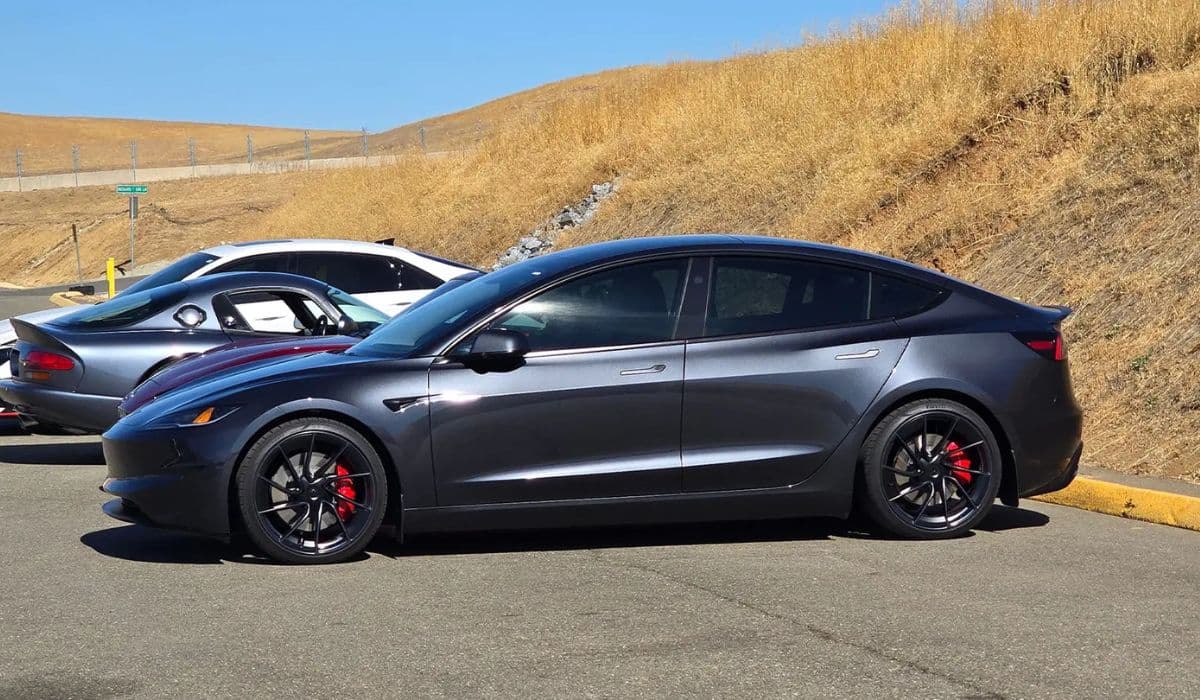
Tesla's latest models demonstrate tangible reliability gains. The refreshed Model 3, launched in 2023, features enhanced suspension geometry for better ride quality and reduced noise, addressing complaints from earlier iterations. Build quality has improved with tighter tolerances, thanks to lessons from Cybertruck production challenges. The Cybertruck itself, despite initial rust concerns on its stainless steel body, incorporates protective coatings that prevent corrosion in real-world testing.
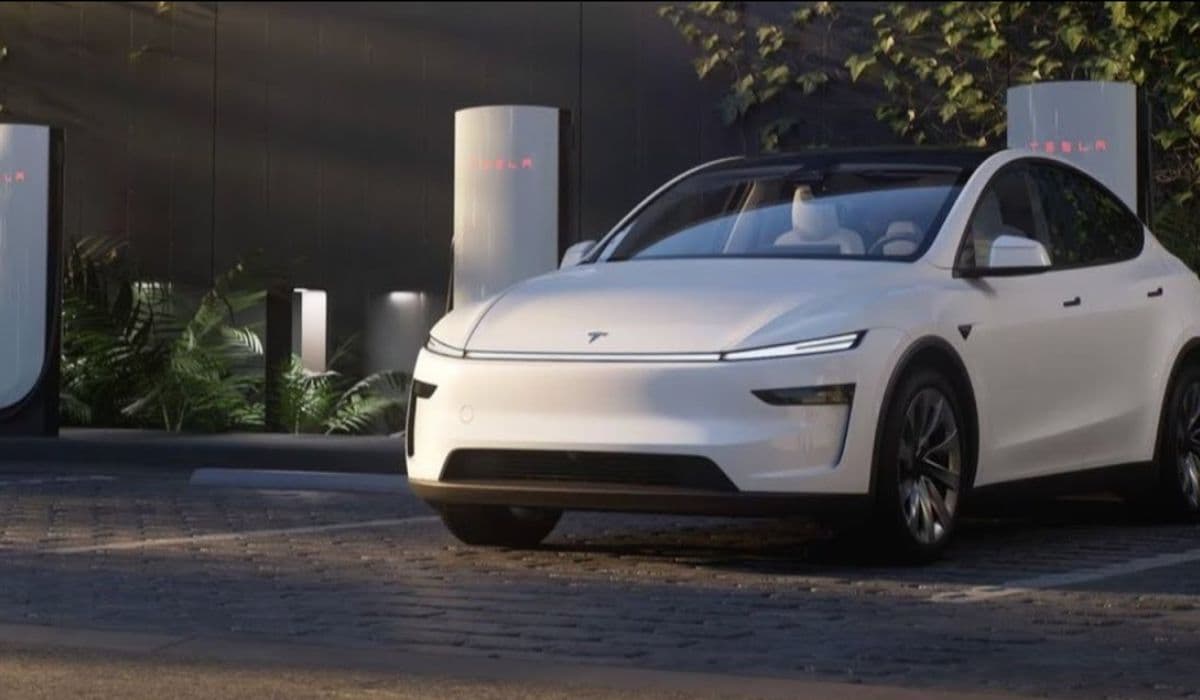
Model Y, Tesla's bestseller, now includes structural battery packs that integrate cells directly into the chassis, enhancing rigidity and crash safety while simplifying assembly. This design reduces potential failure points compared to Toyota's modular hybrid batteries. Firmware version 12.x for Autopilot has minimized phantom braking incidents by 50%, based on user reports, bringing it closer to Lexus' adaptive cruise control reliability.
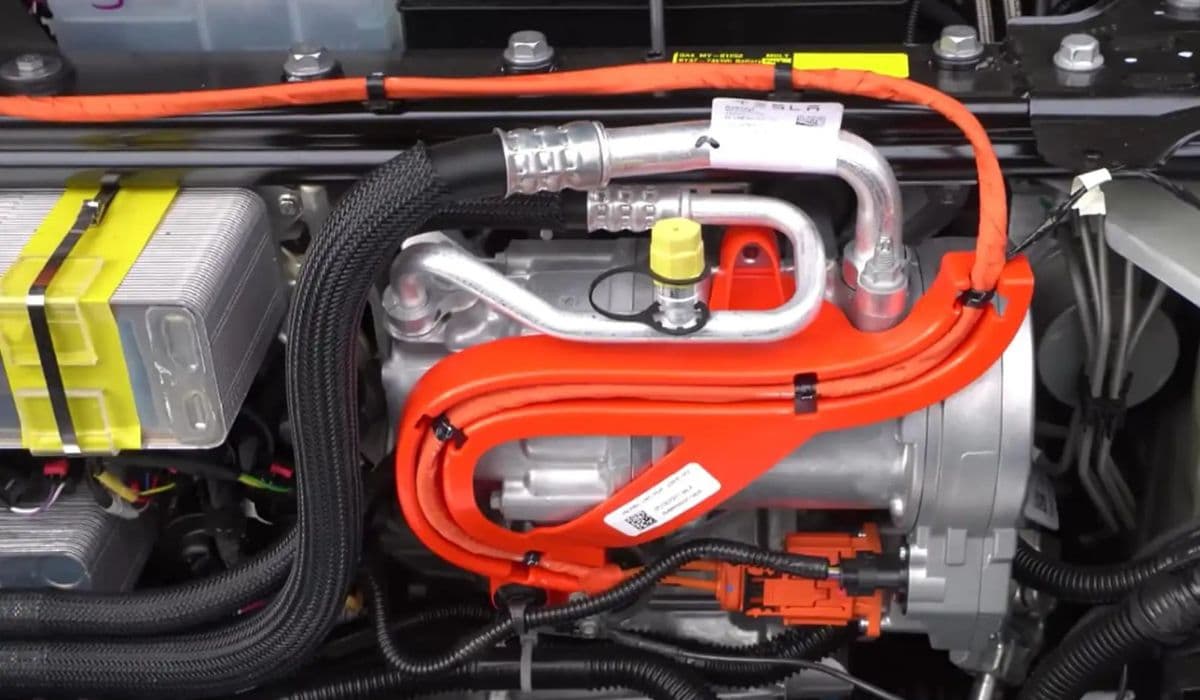
In terms of service, Tesla's mobile ranger program dispatches technicians to owners, contrasting with Toyota's dealer-centric model. This has cut average repair times to under 24 hours for minor issues. Moreover, Tesla's use of recycled materials in interiors has improved durability against UV fading, matching Lexus' premium leather treatments. High-voltage components, like inverters, have seen redesigns for better heat dissipation, extending their lifespan beyond 200,000 miles without replacement.
Consumer Reports and Data Insights
Independent evaluations provide critical insights into this reliability race. Consumer Reports' annual reliability survey places Lexus at the top with scores above 80/100, praising minimal issues in models like the ES sedan. Toyota follows closely, with hybrids like the Corolla Hybrid scoring high for fuel system and transmission dependability. Tesla, historically in the lower tiers, has climbed to mid-pack by 2025, with the Model 3 achieving a predicted reliability rating of 4/5.
Data from RepairPal shows Tesla's average annual repair costs at around $800, down from $1,200 in 2020, nearing Toyota's $400 benchmark. Common Tesla issues include touchscreen failures (5% of owners) and charging port malfunctions, but these are less frequent than Toyota's occasional catalytic converter problems in older models. Warranty data reveals Tesla's 8-year/100,000-mile battery coverage leads the industry, with failure rates under 1%, comparable to Lexus' powertrain warranties.
Fleet operators like Uber provide real-world data; Tesla vehicles in ridesharing endure 50,000+ miles annually with uptime over 95%, rivaling Toyota Camrys. However, surveys highlight Tesla's advantage in owner satisfaction due to performance, despite slightly higher initial repair needs. Analytics from iSeeCars indicate Tesla models retain value better long-term, suggesting market confidence in their durability.
Owner Experiences and Feedback
Real-world owner stories paint a nuanced picture. Tesla enthusiasts often praise the seamless integration of tech, with one Model S owner reporting 250,000 miles with only battery calibration needed. Forums like Tesla Motors Club detail how OTA updates fixed creaking suspension in Model X without visits, a convenience Toyota owners envy. Yet, some report frustrations with parts wait times during chip shortages, though resolved faster post-2022.
Toyota and Lexus owners emphasize predictability; a Lexus RX driver might go years without issues beyond oil changes, appreciating the quiet cabin and smooth ride. Feedback on Reddit's r/Lexus highlights superior customer service at dealerships, where loaners are standard—something Tesla's app-based scheduling sometimes lacks. Cross-over owners who switched from Toyota to Tesla note improved energy efficiency but miss the "set it and forget it" reliability of hybrids.
In harsh climates, Tesla's preconditioning via app ensures battery warmth, reducing cold-start failures that plague ICE vehicles. Long-term tests by outlets like Edmunds show Tesla's tires and brakes lasting longer due to regen, cutting maintenance costs by 30% versus Toyota equivalents. Community data from apps like PlugShare underscores Tesla's Supercharger network reliability, with 99% uptime, enhancing overall ownership experience.
Future Prospects in Reliability Race
Looking ahead, Tesla's investments in solid-state batteries promise even greater longevity, potentially doubling range retention over current tech. Collaborations with suppliers like Panasonic aim to standardize components, mirroring Toyota's ecosystem. Autonomous driving advancements could further reduce wear from human error, giving Tesla an edge in predictive maintenance.
Toyota and Lexus are not standing still; their BZ4X EV and upcoming solid-state hybrids blend proven reliability with electrification. Tesla's Robotaxi ambitions, if realized, will test fleet-scale durability, potentially accelerating improvements. Industry shifts toward sustainable materials may favor Tesla's recycling focus, while Toyota's hydrogen pursuits diversify options. As EVs proliferate, data aggregation will refine designs, likely equalizing reliability across brands by 2030.
More from Tesla

Tesla battery degradation after 100K miles: Real owner data
17.12.2025 18:27
Overall Tesla ownership cost 2025: Cheaper than gas after 3 years?
17.12.2025 15:13
Tesla Cybertruck vs Ford F-150 Lightning: Towing and charging showdown
17.12.2025 08:57
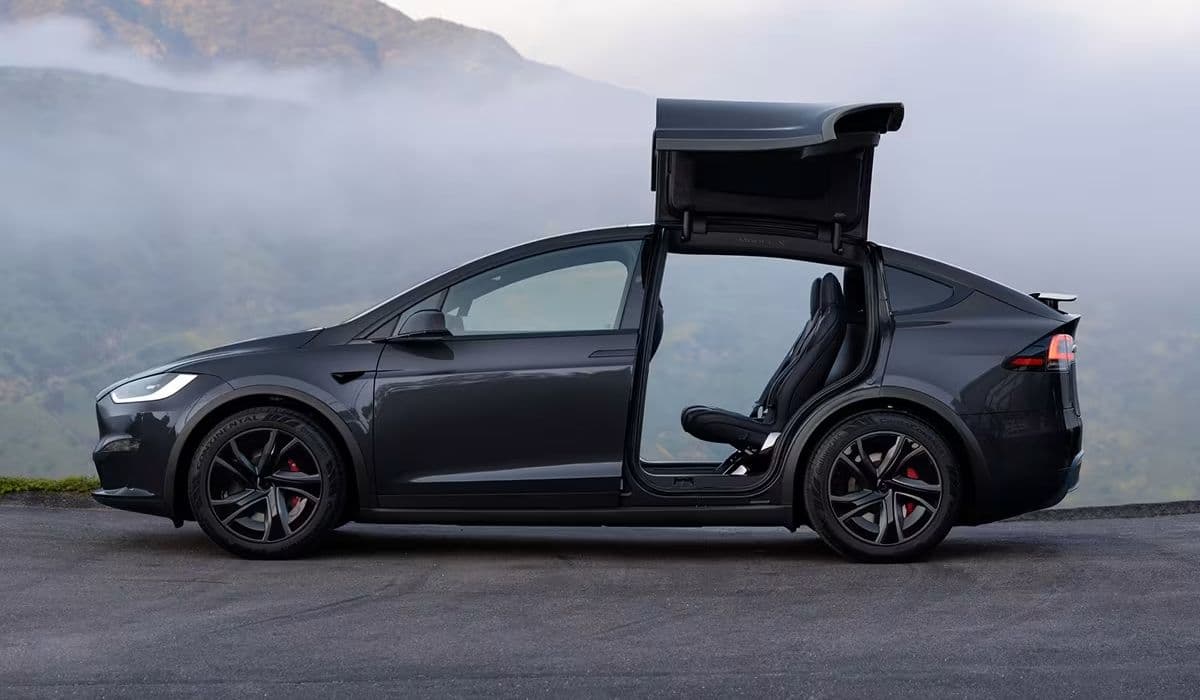
2025 refreshed Tesla Model X: Worth upgrading from old raven?
17.12.2025 07:14
Tesla heat pump problems in winter: 2025 still an issue?
17.12.2025 04:02