8AR-FTS 2.0T Problems in Older Models
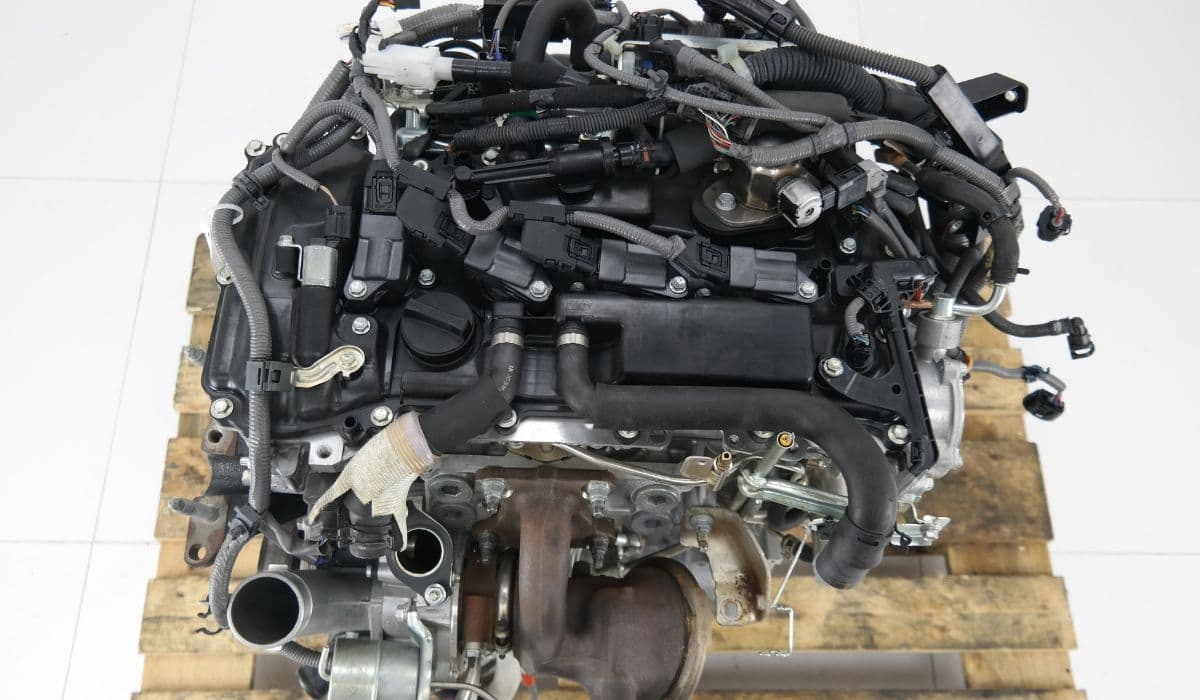
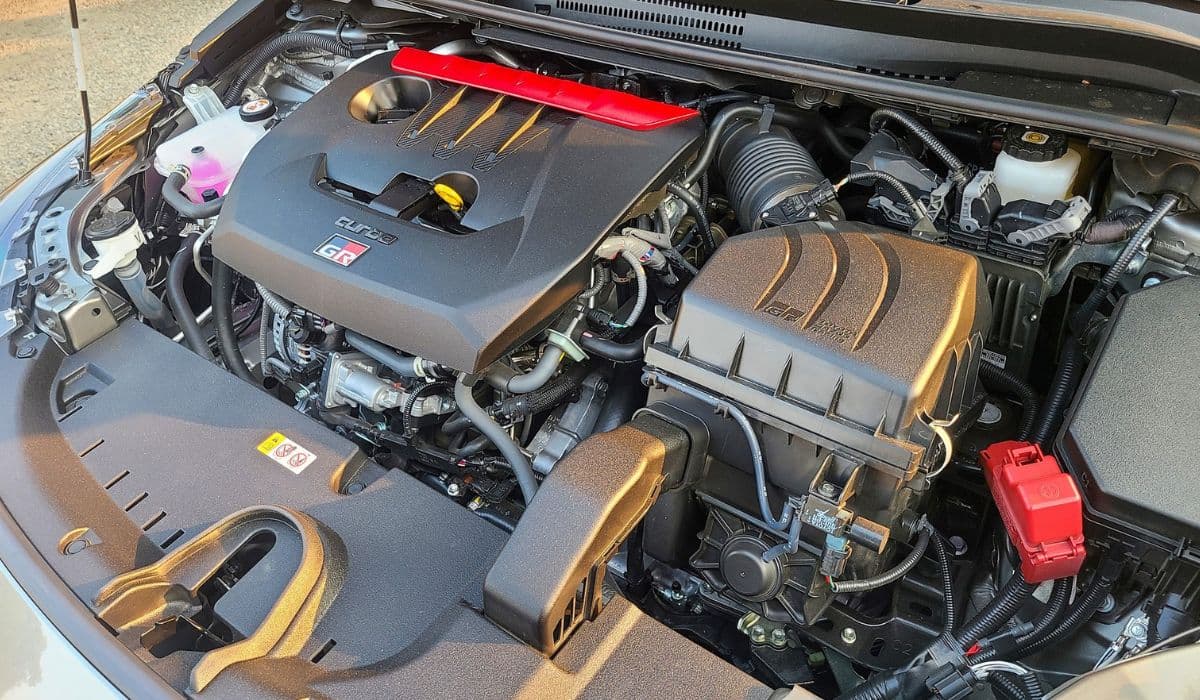
The 8AR-FTS is Toyota’s first mass-produced direct-injection turbocharged 2.0-liter engine, introduced in Lexus NX 200t, IS 200t, RX 200t, GS 200t and later in some Toyota Crown and Harrier models in certain markets. While it delivered impressive power (around 235-245 hp depending on application) and relatively good fuel economy for its class, the early versions of this engine – especially those produced before the major running changes – gained a reputation for a number of expensive and recurring issues. Owners of 2015-2018 models most often report the same set of problems.
Carbon Build-Up on Intake Valves and Ports
Being a direct-injection-only engine (no port injection as a cleaner), the 8AR-FTS suffers from classic DI carbon deposit problems, but in a particularly aggressive way. The combination of the twin-scroll turbo, high thermal load and the specific design of the cylinder head leads to very rapid carbon accumulation on intake valves and in the ports.
Many owners notice rough idle, misfires, loss of power and CEL with lean codes (P0171, P0174) already at 50,000–70,000 km. Walnut blasting is the only effective cleaning method, and on early engines it often has to be done every 40,000–60,000 km. After the 2018 facelift Toyota added a small amount of port injection in some markets (dual-injection system), which dramatically reduced the issue, but pre-2018 cars remain problematic.
Turbocharger Wastegate Actuator Failures
One of the most widely discussed and costly problems is premature failure of the electronic wastegate actuator. The plastic gear inside the actuator strips or the electric motor burns out, causing overboost or severe underboost conditions.
Symptoms include limp mode, P0243, P003A, P0045, P2563 codes, rattling noise from the turbo area and drastic loss of power. Original replacement turbo with integrated actuator costs a fortune (often over $3,500 parts only), and even remanufactured units frequently fail again within 20,000–30,000 km because the root cause – poor heat shielding and high exhaust temperatures – was not fully addressed in early engines.
Many workshops now offer wastegate actuator repair kits with metal gears or install aftermarket repaired actuators, significantly reducing the cost.
Oil Consumption and Dilution of Engine Oil with Fuel
Early 8AR-FTS engines are known for relatively high oil consumption and, more importantly, massive fuel dilution of the engine oil. The combination of frequent cold starts, aggressive direct-injection strategy and rich mixture during warm-up leads to large amounts of raw fuel washing past the piston rings into the crankcase.
Oil analysis from cars with 80,000–120,000 km often shows 4–8% fuel content (sometimes even higher), which dramatically reduces oil viscosity and accelerates wear of bearings, timing chain and turbo oil seals. Many owners have to change oil every 5,000 km instead of the factory 10,000 km interval, and some report having to top up 1–1.5 liters between changes.
Toyota released several revised ECU calibrations over the years that somewhat improved the situation, but the problem never completely disappeared on pre-2019 engines.
Timing Chain and Guide Wear
The 8AR-FTS uses a fairly thin single-row timing chain that is prone to stretching, and plastic chain guides that wear quickly when oil is diluted or changed infrequently.
Typical symptoms are rattling noise on cold start (the famous “diesel-like” sound for 1–3 seconds), stretched chain codes (P0011, P0014, etc.) and, in severe cases, jumped timing. Complete timing chain kit replacement (chain, tensioner, guides, VVT sprockets) is a major job because the engine must be removed or at least supported from above.
High-Pressure Fuel Pump (HPFP) Issues
The DENSO high-pressure pump driven off the exhaust camshaft has proven to be a weak point. The internal roller and cam lobe wear out, causing low fuel pressure, long cranking, misfires and P0087/P0191 codes.
In many cases the camshaft lobe itself gets damaged, requiring camshaft replacement together with the pump. Aftermarket reinforced pumps and cam repair kits are now available, but original repair is extremely expensive.
Oil Filter Housing and Cooler Leaks
The integrated plastic oil filter housing/oil cooler assembly is prone to cracking and leaking, especially in cold climates or after many heat cycles. Coolant leaks into oil (milky oil) or oil leaks into coolant are common.
The part was redesigned with better plastic around 2017–2018, but early units fail regularly between 100,000–150,000 km.
Low-Speed Pre-Ignition (LSPI) and Piston Damage
Although less frequent than in some other DI turbo engines, several documented cases of cracked pistons and scored cylinder walls caused by LSPI exist, especially when owners used 91-92 octane instead of required 95-98 RON (Premium unleaded).
Turbo Oil Feed and Return Line Problems
The original turbo oil feed pipe has a tendency to coke up and restrict flow, leading to turbo bearing failure. Many owners replace it preventively with aftermarket stainless braided lines. The banjo bolts with integrated filters are also known to clog.
Which Model Years and Cars Are Most Affected
The worst batches are generally considered:
Lexus NX 200t 2015–2017
Lexus IS 200t 2016–2017
Lexus RX 200t 2016–2017
Lexus GS 200t 2016–2017
Early Toyota Crown 2.0T (ARS210) in Asian markets
Cars produced from late 2018 onward received most of the running changes (revised pistons and rings, dual injection in some regions, better wastegate, updated ECU maps) and are noticeably more reliable.
Even with all these issues, many 8AR-FTS engines live well beyond 250,000 km when properly maintained – frequent oil changes with high-quality synthetic 0W-20 or 5W-30, immediate attention to any check engine light, and proactive replacement of known weak parts (wastegate actuator, HPFP, timing chain at around 150,000 km) can make the engine reasonably durable.
However, buying an early 8AR-FTS-powered car without full service history and recent oil analysis is considered risky by most mechanics familiar with the engine.
More from Toyota

2024+ Toyota Land Cruiser 2.4T Hybrid Real-World MPG: What Owners Actually Get
08.12.2025 13:31
RAV4 Prime vs Hybrid Battery Differences: A Deep Technical Comparison
08.12.2025 13:28
Common 3rd Generation Toyota Tundra 3.4L Twin-Turbo V6 (V35A-FTS) Engine Problems 2022–2025 Models
08.12.2025 13:18
2UZ-FE 4.7 V8 vs 3UR-FE 5.7 V8 Reliability: In-Depth Real-World Comparison
08.12.2025 13:24
Best Year 4Runner to Buy Used (5th Generation)
08.12.2025 13:21